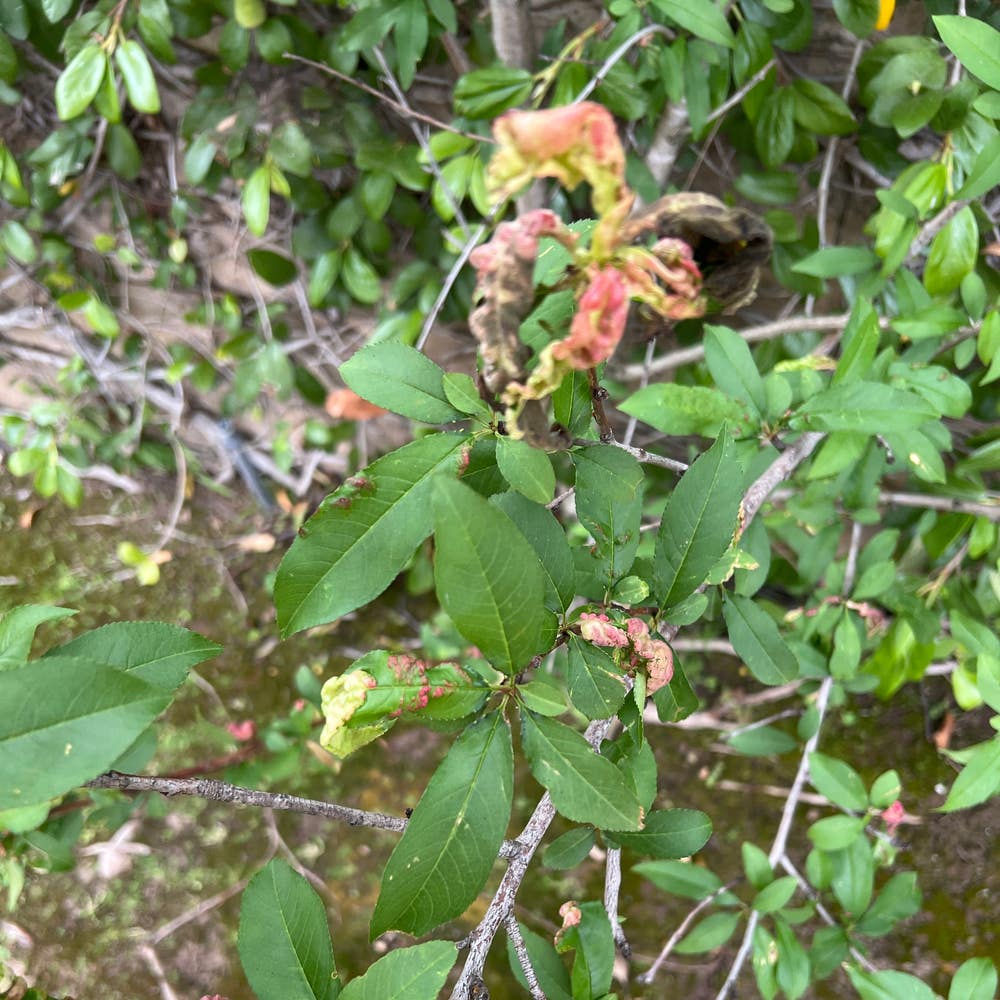
What To Do About Nectarine Dying 🍑
Prunus persica
By the Greg Editorial Team
Nov 22, 2024•5 min read
This article was created with the help of AI so we can cover more plants for you. May contain errors. See one? Report it here.
- 🍃 Recognize symptoms like yellowing leaves and wilting to identify unhealthy nectarines.
- 💧 Adjust watering practices to prevent issues like underwatering or overwatering in nectarines.
- 🌞 Ensure proper light conditions and temperature to promote healthy nectarine growth.
Recognizing Unhealthy Plants
Identifying when your nectarine plant is struggling is crucial for its recovery. Here are some key symptoms to watch for.
🍂 Yellowing Leaves
If you notice yellowing leaves, it often signals nutrient deficiencies or watering issues. This discoloration can be a cry for help from your plant.
💧 Wilting or Drooping
Wilting or drooping leaves indicate that your plant may be underwatered or suffering from root problems. These signs suggest that immediate action is needed to restore its health.
🦠 Fuzzy Growth on Leaves
Fuzzy growth on the leaves can be a sign of a fungal infection. This issue requires prompt attention to prevent further spread.
📉 Stunted Growth
Stunted growth reflects a lack of vigor or energy in your plant. If your nectarine isn’t thriving, it’s time to investigate the underlying causes.
Recognizing these symptoms early can make a significant difference in your plant's recovery. By staying vigilant, you can ensure your nectarine remains healthy and productive. Next, let’s explore some common problems that may be affecting your plant.
Common Problems
🌊 Incorrect Watering
Watering issues are a leading cause of nectarines struggling to thrive.
Identifying Issues
- Overwatered: Look for yellowing leaves, wilting, and squishy roots.
- Underwatered: Watch for dry, crispy leaves and drooping branches.
Causes
Common causes include poor drainage and inconsistent watering schedules.
Solutions
- Check soil moisture: Use a moisture meter or your finger to test the soil.
- Adjust watering frequency: Water when the top inch of soil feels dry.
- Improve drainage: Amend soil with organic matter or consider using raised beds.
💡 Light Conditions
Light conditions significantly impact the health of your nectarine plants.
Signs of Problems
- Inadequate light: Look for leggy growth and sparse leaves.
- Excessive light: Signs include leaf scorch and browning edges.
Causes
Poor placement of the plant often leads to these light-related issues.
Solutions
- Relocate: Move your plant to a sunnier spot that receives full sun for 6-8 hours.
- Use shade cloth: During peak sunlight hours, shade cloth can help protect your plant.
🌡️ Temperature Issues
Temperature extremes can stress your nectarines, leading to various symptoms.
Symptoms
Watch for leaf drop, wilting, or browning as indicators of temperature stress.
Causes
Exposure to frost or extreme heat can cause these symptoms.
Solutions
- Protective covers: Use them during cold snaps to shield your plants.
- Provide shade: Misting or providing shade during extreme heat can help maintain a stable environment.
🐛 Pests
Pests can wreak havoc on your nectarines if not managed promptly.
Common Pests
Keep an eye out for aphids, spider mites, and fruit flies.
Identifying Infestations
Look for visible insects, sticky residue, or damaged fruit as signs of an infestation.
Treatment Options
- Neem oil or insecticidal soap: Effective against soft-bodied pests.
- Introduce beneficial insects: Ladybugs can help control pest populations.
- Regular inspections: Remove infested leaves to prevent spread.
🦠 Diseases
Nectarines are susceptible to various diseases that can hinder their growth.
Common Diseases
Be aware of powdery mildew, rust, black rot, and blight.
Symptoms
- Powdery mildew: Look for white spots on leaves.
- Rust: Check for orange or yellow spots.
- Black rot: Dark lesions on fruit and leaves are a telltale sign.
- Blight: Sudden wilting and dieback indicate serious issues.
Causes and Treatments
- Improve air circulation: Ensure adequate sunlight exposure.
- Apply fungicides: Use as needed to combat fungal infections.
- Remove infected material: Dispose of any diseased parts to prevent spread.
Understanding these common problems will help you take proactive steps in caring for your nectarines. With the right attention, you can nurture your plants back to health and enjoy a bountiful harvest. Next, let’s explore preventive measures to keep your nectarines thriving.
Preventive Measures
Best Practices 🌱
To keep your nectarine plants thriving, regularly monitor soil moisture and adjust your watering schedule accordingly. This simple habit can make a significant difference in plant health.
Ensure your plants receive adequate sunlight and have good air circulation. Proper light exposure is crucial for growth, while airflow helps prevent diseases.
Importance of Monitoring 👀
Early detection of issues can save your plants from larger problems down the road. By staying vigilant, you can address any signs of distress before they escalate.
Seasonal Considerations 🌦️
Adjust your care practices based on the changing seasons. Different weather conditions require different approaches, so be flexible and responsive to your plants' needs.
By implementing these preventive measures, you can cultivate healthy nectarine trees that produce delicious fruit. Next, let’s explore how technology can enhance your plant care routine.
Using Technology for Care
📱 Greg Plant Care App
In today's digital age, managing your nectarine plants has never been easier, thanks to the Greg Plant Care App. This handy tool helps you track essential aspects like watering, fertilization, and pest management, ensuring your plants receive the best care possible.
⚙️ Utilizing the App
Setting reminders for watering schedules is a breeze with the app. You can also monitor disease symptoms and log your observations and treatments, which enhances your overall plant management strategy.
By utilizing technology, you can stay ahead of potential issues and keep your nectarine plants thriving. Embrace these tools to make your gardening experience more efficient and enjoyable.
As you explore these tech solutions, remember that consistent care and attention are key to preventing problems before they arise. Next, let’s dive into some preventive measures that will help you maintain healthy nectarine plants year-round.
⚠️ Safety First
This content is for general information and may contain errors, omissions, or outdated details. It is not medical, veterinary advice, or an endorsement of therapeutic claims.
Always consult a qualified healthcare professional before using any plant as food, medicine, or supplement.
Never eat any plant (or feed one to pets) without confirming its identity with at least two trusted sources.
If you suspect poisoning, call Poison Control (800) 222-1222, the Pet Poison Helpline (800) 213-6680, or your local emergency service immediately.
Spotted an error? Please report it here.
Keep your nectarine plants thriving 🌱 by using Greg to track watering and receive timely reminders, ensuring they get the care they need for a bountiful harvest!