🍑 Why Your Peach Leaves Are Turning Yellow
Prunus persica
By the Greg Editorial Team
Oct 04, 2024•6 min read
This article was created with the help of AI so we can cover more plants for you. May contain errors. See one? Report it here.
- 🌱 Yellow leaves indicate issues like nutrient deficiencies, pests, or watering problems.
- 💧 Overwatering or underwatering can both cause yellowing; maintain consistent moisture levels.
- 🐛 Pests like aphids and diseases require early detection for effective management.
Causes of Yellowing Leaves
Yellowing leaves on your peach tree can signal various underlying issues. Understanding these causes is crucial for restoring your tree's health.
🌱 Nutrient Deficiencies
Nitrogen Deficiency
One common culprit is nitrogen deficiency. You’ll notice pale green to yellow leaves, especially on older foliage.
To remedy this, fertilize with a nitrogen-rich option like ammonium sulfate during the growing season. This simple step can rejuvenate your tree.
Iron Deficiency
Another issue is iron deficiency, characterized by yellowing between the leaf veins while the veins themselves remain green. This condition is known as interveinal chlorosis.
To address this, apply chelated iron or iron sulfate to the soil. This will help restore the vibrant green color your tree craves.
💧 Watering Issues
Overwatering
Overwatering can also lead to yellowing leaves, along with wilting and root rot. If your tree is sitting in soggy soil, it’s time to take action.
Ensure your soil drains well and adjust your watering schedule. Allow the soil to dry out between waterings to promote healthy roots.
Underwatering
Conversely, underwatering can cause wilting, dry leaves, and yellowing. Your tree needs consistent moisture, especially during dry spells.
Make sure to water deeply and regularly. This will keep your peach tree hydrated and thriving.
🐛 Pests and Diseases
Aphids and Their Impact
Pests like aphids can wreak havoc on your peach tree. Look for curling leaves, sticky residue (honeydew), and the presence of ants.
To combat this, introduce beneficial insects like ladybugs or use insecticidal soap. These methods can effectively control aphid populations.
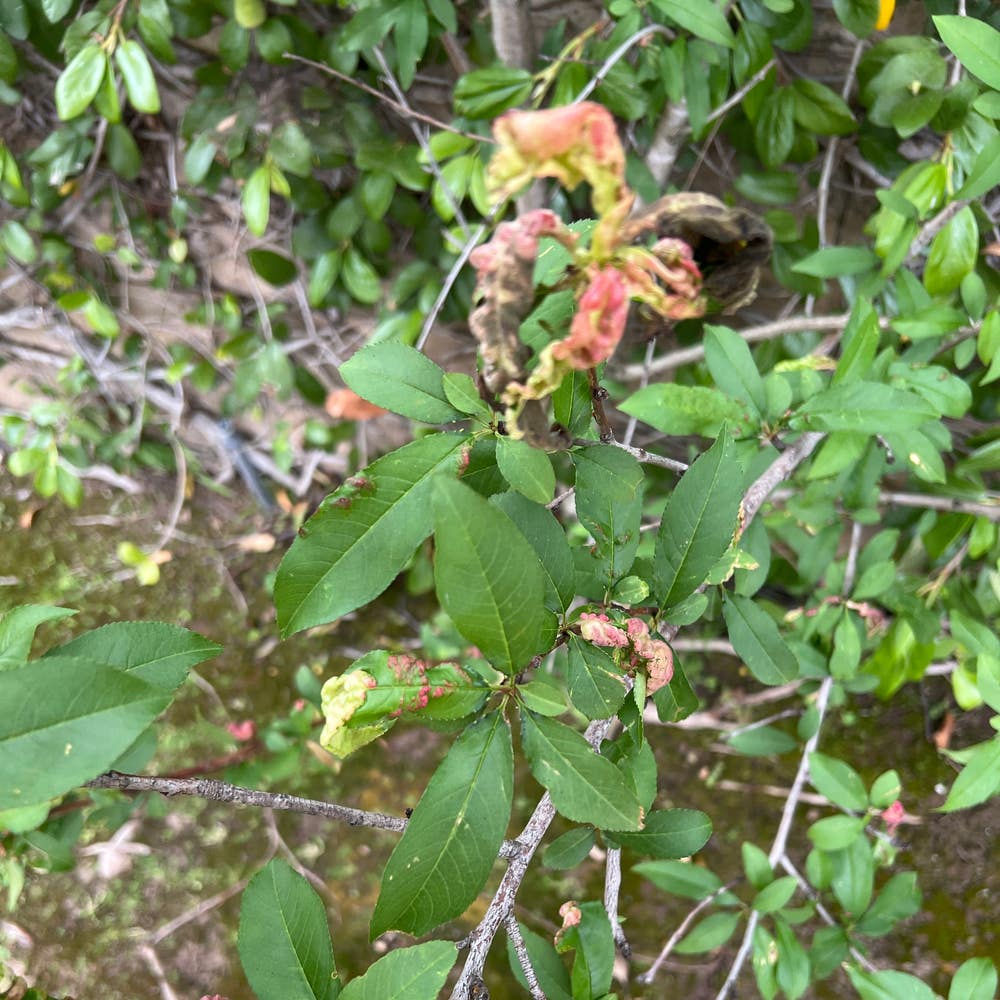
Peach Leaf Curl Disease
Peach Leaf Curl Disease is another serious concern. Symptoms include distorted, curled leaves that may turn yellow and eventually drop.
To manage this disease, apply fungicides in early spring before bud break and prune any affected areas. Taking these steps can help protect your tree from further damage.
Understanding these causes is the first step in addressing yellowing leaves. Next, we’ll explore how to diagnose these issues effectively.
Diagnosing Yellow Leaves
👀 Visual Symptoms to Look For
When diagnosing yellow leaves on your peach tree, start by examining the leaf color and texture. Look for signs of overall tree vigor; healthy trees should have vibrant, green foliage.
🧪 Soil Testing for Nutrient Levels
Conducting soil tests is crucial for identifying nutrient deficiencies. These tests will help determine pH levels and pinpoint any missing nutrients that could be affecting your tree's health.
🐛 Identifying Pest Infestations
Pests can wreak havoc on your peach tree, so keep an eye out for signs of infestation. Look for sticky residue, visible insects, or webbing, which can indicate a problem that needs immediate attention.
By staying vigilant and observing these symptoms, you can effectively diagnose the issues causing yellowing leaves. This proactive approach will set the stage for the treatment options that follow.
Treatment Options
🌱 Fertilization Methods
Organic vs. Synthetic Fertilizers
When it comes to fertilizing your peach trees, you have two main options: organic and synthetic fertilizers. Organic choices include compost, well-rotted manure, and specialized organic fertilizers, which enrich the soil naturally.
On the other hand, synthetic fertilizers offer a quick nutrient boost with balanced NPK ratios. They can be effective but require careful application to avoid over-fertilization.
Timing and Application Rates
Timing is crucial for effective fertilization. Apply fertilizers in early spring as the buds begin to swell, ensuring your trees get the nutrients they need for robust growth.
Always follow package instructions for application rates to avoid harming your plants. Overdoing it can lead to nutrient burn, which defeats the purpose of your efforts.
🐞 Pest Control Strategies
Natural Remedies
For pest issues, consider natural remedies like neem oil. This organic solution is effective against aphids and other common pests, providing a safe way to protect your trees.
Applying neem oil can help maintain a healthy ecosystem in your garden, supporting beneficial insects while targeting harmful ones.
Chemical Treatments
If natural methods fall short, chemical treatments may be necessary. Use these as a last resort, and always follow label instructions carefully to minimize harm to beneficial insects.
Being cautious with chemical treatments ensures you protect not just your peach trees but the surrounding environment as well.
🦠 Disease Management
Pruning Affected Areas
To manage diseases like peach leaf curl, start by pruning affected areas. Remove and dispose of infected leaves and branches promptly to prevent the spread of the disease.
This proactive approach helps maintain the overall health of your tree and encourages new growth.
Fungicide Application
In addition to pruning, applying fungicides specifically labeled for peach leaf curl can be effective. Timing is key; apply these treatments in early spring before bud break for the best results.
Combining pruning with fungicide application creates a robust defense against diseases, ensuring your peach trees thrive.
With these treatment options, you can tackle yellowing leaves effectively and keep your peach trees healthy and productive. Next, let’s explore preventive measures to maintain their vitality year-round.
Preventive Measures
Proper Watering Techniques 🌊
Watering your peach trees deeply but infrequently is crucial. This method encourages deep root growth, making your trees more resilient to drought and nutrient deficiencies.
Soil Health and Amendments 🌱
Regularly amending your soil with organic matter can significantly improve its drainage and nutrient content. This practice not only supports healthy growth but also enhances the overall vitality of your peach trees.
Regular Monitoring for Pests and Diseases 🕵️♂️
Routine inspections of leaves and branches are essential for early detection of pests and diseases. By staying vigilant, you can catch issues before they escalate, ensuring your peach trees remain healthy and productive.
By implementing these preventive measures, you can create a thriving environment for your peach trees, reducing the risk of yellowing leaves and other issues. Next, let’s explore seasonal considerations to keep your trees in top shape throughout the year.
Seasonal Considerations
🌸 Spring Care
As spring arrives, it's time to give your peach trees a boost. Apply nitrogen-rich fertilizers when the buds start to swell, ensuring your trees have the nutrients they need for robust growth.
☀️ Summer Maintenance Tips
During the summer months, consistent moisture is crucial for fruit development. Water your peach trees regularly, especially during dry spells, to keep them healthy and thriving.
🍂 Fall Preparation for Winter
As fall approaches, take proactive steps to protect your trees. Clean up fallen leaves to minimize the risk of diseases overwintering in your garden, setting your peach trees up for a healthier spring.
By following these seasonal care tips, you can help your peach trees flourish throughout the year. Next, let’s explore effective treatment options for any issues that may arise.
⚠️ Safety First
This content is for general information and may contain errors, omissions, or outdated details. It is not medical, veterinary advice, or an endorsement of therapeutic claims.
Always consult a qualified healthcare professional before using any plant as food, medicine, or supplement.
Never eat any plant (or feed one to pets) without confirming its identity with at least two trusted sources.
If you suspect poisoning, call Poison Control (800) 222-1222, the Pet Poison Helpline (800) 213-6680, or your local emergency service immediately.
Spotted an error? Please report it here.
Revive your peach tree's health and bloom with confidence 🌳 by using Greg's personalized care tips and reminders to tackle yellowing leaves head-on!