Most Colorful Varieties of Peach 🍑
Prunus persica
By the Greg Editorial Team
Oct 04, 2024•5 min read
This article was created with the help of AI so we can cover more plants for you. May contain errors. See one? Report it here.
- 🍑 Yellow-fleshed peaches are juicy and sweet, perfect for fresh eating and desserts.
- 🌟 White-fleshed peaches offer delicate sweetness, ideal for salads and salsas.
- 🍑🔍 Explore unique varieties like donut peaches for a delightful snacking experience.
Yellow-fleshed Peaches
Yellow-fleshed peaches are a delight for the senses. Their juicy, sweet flavor combined with vibrant yellow flesh makes them a favorite among fruit lovers.
🍑 Characteristics
These peaches are known for their rich taste and succulent texture. When you bite into one, the sweetness bursts forth, making it hard to resist another slice.
🌳 Popular Cultivars
Elberta: This cultivar stands out for its large size and exceptional flavor. It's a go-to choice for many peach enthusiasts.
Georgia Belle: A classic Southern peach, Georgia Belle offers a rich taste that embodies the essence of summer.
🥧 Uses
Yellow-fleshed peaches are incredibly versatile. They shine when eaten fresh, but they also excel in canning and baking, adding a sweet touch to pies and cobblers.
Incorporating yellow-fleshed peaches into your meals can elevate any dish. Whether you're enjoying them straight from the tree or using them in a recipe, their vibrant flavor is sure to impress.
As we explore more varieties, let’s dive into the world of white-fleshed peaches, which offer a different yet equally delightful experience.
White-fleshed Peaches
White-fleshed peaches are a delightful treat, known for their softer texture and sweeter, less acidic flavor profile. These peaches offer a unique taste experience that many fruit lovers cherish.
🍑 Popular Cultivars
One standout cultivar is the White Lady. This peach is renowned for its delicate sweetness and smooth skin, making it a favorite among those who enjoy a gentle bite.
Another notable variety is the Snow Giant. With its large fruit and creamy white flesh, it’s perfect for those who appreciate a substantial peach that delivers on flavor.
🍰 Uses
White-fleshed peaches shine when it comes to fresh consumption. Their sweetness makes them ideal for desserts, whether in pies, tarts, or simply sliced and enjoyed on their own.
These peaches are not just for eating fresh; they can elevate any dish with their unique flavor. Consider adding them to salads or salsas for a refreshing twist.
In summary, white-fleshed peaches are a versatile and delicious choice for any peach lover. Their unique characteristics and delightful taste make them a must-try, especially during the peak of peach season.
Next, we’ll explore the intriguing world of donut peaches, which offer a completely different shape and flavor profile.
Donut Peaches
Donut peaches, with their distinctive flat shape, are a delightful twist on traditional peaches. Their unique form isn’t just for show; it hints at the sweet, aromatic flavor packed inside.
🍑 Popular Cultivars
One standout cultivar is the Saturn peach. Known for its low acidity, Saturn offers a sweet, juicy experience that’s hard to resist.
🥗 Uses
These peaches shine when eaten fresh, making them a perfect snack on a hot day. They also add a fun twist to fruit salads, bringing both flavor and visual appeal.
Donut peaches are not just a treat; they’re a conversation starter. As you explore the world of peaches, you’ll find that each variety has its own charm and uses, leading us to the next topic: the differences between clingstone and freestone peaches.
Clingstone vs. Freestone Peaches
When it comes to peaches, understanding the difference between clingstone and freestone varieties is essential.
📖 Definitions
Clingstone peaches have flesh that clings tightly to the pit. This makes them ideal for canning, as they hold their shape well during processing.
Freestone peaches, on the other hand, have flesh that separates easily from the pit. This characteristic makes them a favorite for fresh eating and cooking, as they are easier to slice and enjoy.
🍑 Examples of Cultivars
For clingstone lovers, the Babcock peach stands out. Known for its sweet flavor and juiciness, it’s a great choice for preserves and pies.
If you prefer freestone peaches, look no further than Red Haven. This cultivar is popular for its ease of use in cooking and fresh consumption, making it a staple in many kitchens.
Understanding these differences can enhance your peach experience, whether you're canning or enjoying them fresh.
Next, let’s explore the special care requirements for specific peach cultivars to ensure you get the best from your trees.
Special Care Requirements for Specific Cultivars
Certain peach cultivars have unique care needs that can significantly impact their growth and fruit production. Understanding these requirements is essential for any peach enthusiast looking to cultivate the best fruit possible.
🦠 Disease Resistance in Certain Cultivars
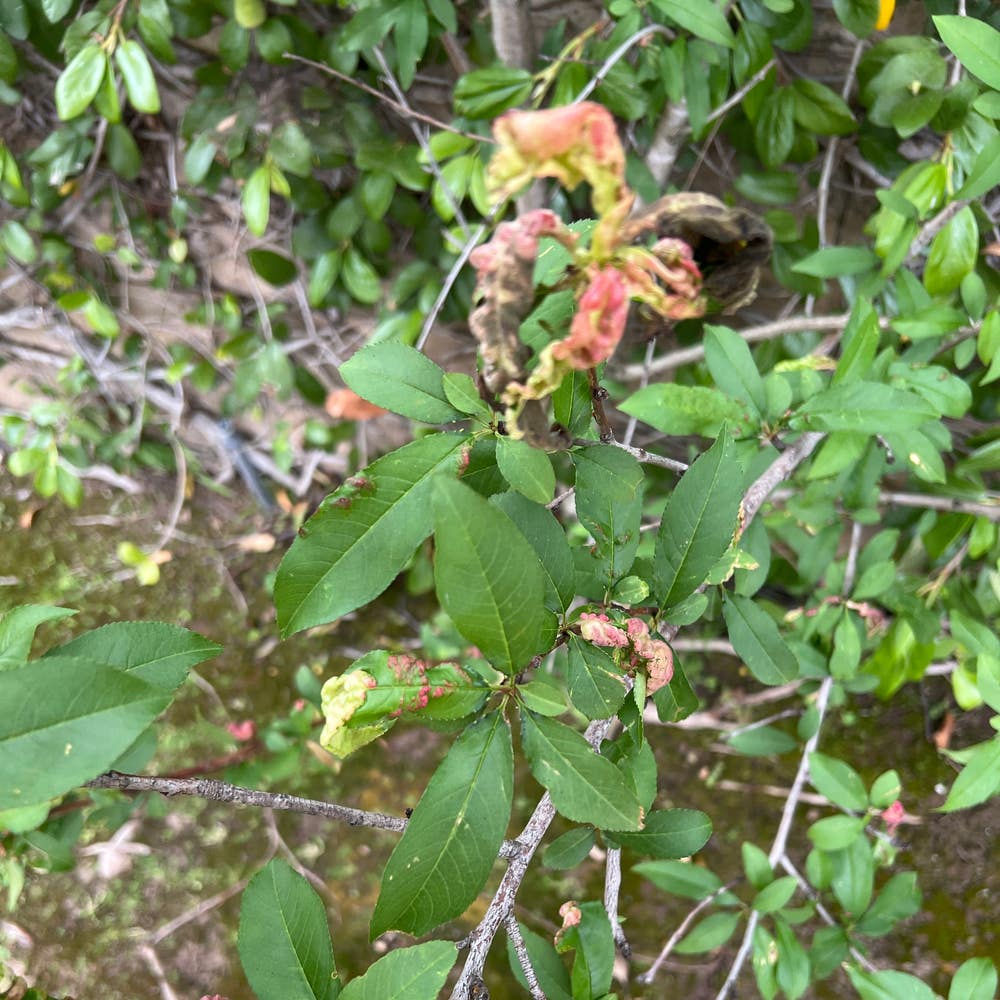
Some peach cultivars are specifically bred for enhanced disease resistance. For instance, Contender is well-known for its ability to resist peach leaf curl, making it a reliable choice for gardeners in affected areas.
🌼 Pollination Needs for Hybrid Varieties
Hybrid varieties often have specific pollination conditions that must be met for optimal fruit set. Take Honeycrisp, for example; it typically requires cross-pollination to produce a bountiful harvest.
🌍 Soil and Climate Preferences for Rare Varieties
Rare peach varieties can have distinct soil and climate preferences that are crucial for their success. Arctic Supreme thrives in cooler climates and needs well-drained soil to flourish.
Understanding these special care requirements will help you nurture your peach trees effectively. With the right attention, you can enjoy a fruitful harvest of vibrant peaches. Next, let’s explore the differences between clingstone and freestone peaches, which can influence your culinary choices.
⚠️ Safety First
This content is for general information and may contain errors, omissions, or outdated details. It is not medical, veterinary advice, or an endorsement of therapeutic claims.
Always consult a qualified healthcare professional before using any plant as food, medicine, or supplement.
Never eat any plant (or feed one to pets) without confirming its identity with at least two trusted sources.
If you suspect poisoning, call Poison Control (800) 222-1222, the Pet Poison Helpline (800) 213-6680, or your local emergency service immediately.
Spotted an error? Please report it here.
Dive into the delicious diversity of peaches 🍑 and let Greg help you cultivate your own peach paradise with tailored care tips for a fruitful harvest!