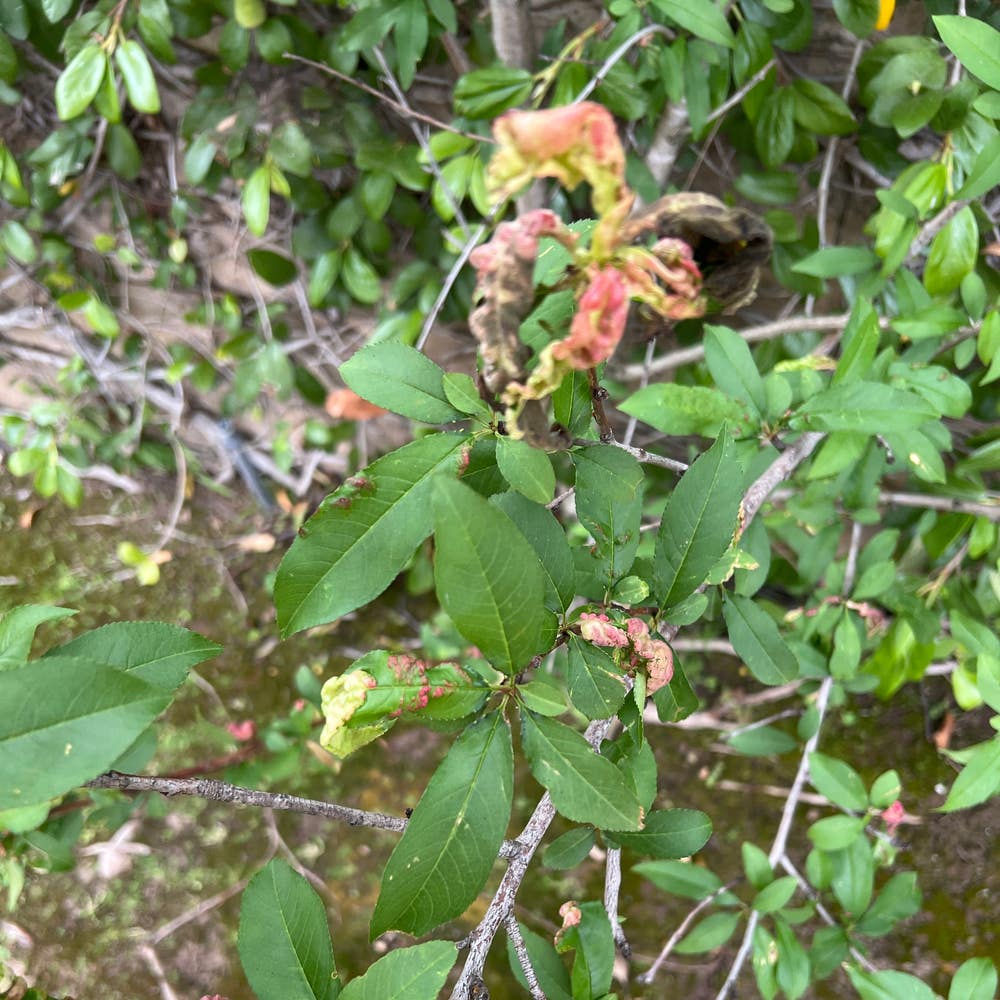
What to Do About Brown Spots on Your Peach 🍑
Prunus persica
By the Greg Editorial Team
Oct 04, 2024•7 min read
This article was created with the help of AI so we can cover more plants for you. May contain errors. See one? Report it here.
- 🍑 Brown spots on peaches stem from diseases, pests, and environmental stressors.
- 🌧️ Fungal diseases thrive in wet conditions; manage moisture to prevent damage.
- 🌱 Regular monitoring and proper care are key to maintaining healthy peach trees.
Causes of Brown Spots
🦠 Common Fungal Diseases
Peach Leaf Curl
Peach leaf curl is a notorious fungal disease that manifests through curling and discoloration of leaves. This often leads to unsightly brown spots, particularly thriving in cool, wet weather.
Brown Rot
Brown rot is another fungal foe, characterized by brown spots that can escalate to fruit rot. It flourishes in conditions of high humidity and poor air circulation, making it a serious concern for peach growers.
🦠 Bacterial Infections
Bacterial Spot
Bacterial spot presents as small, dark brown spots surrounded by yellow halos. This condition is often worsened by wet conditions and inadequate airflow, making it crucial to monitor your trees closely.
🌍 Environmental Stress Factors
Drought
Drought stress can cause leaf wilting and browning, especially at the edges. This typically occurs when there’s an insufficient water supply during critical growth periods.
Overwatering
Conversely, overwatering leads to leaf yellowing followed by browning. Poor drainage can stress the roots, creating a vicious cycle of health issues for your peach tree.
🥦 Nutrient Deficiencies
Nitrogen Deficiency
A nitrogen deficiency results in general yellowing of leaves, which can eventually lead to brown spots. This often stems from poor soil fertility, making soil health a priority.
Potassium Deficiency
Potassium deficiency manifests as marginal browning of leaves. Imbalanced soil nutrient levels can exacerbate this issue, highlighting the need for regular soil testing.
🐞 Pest Infestations
Aphids
Aphids are small but mighty pests that cause curling leaves and leave behind sticky residue. They weaken the tree, making it more vulnerable to diseases.
Spider Mites
Spider mites create fine webbing and stippling on leaves, thriving in high temperatures and low humidity. Their presence can signal a need for immediate action to protect your peach tree.
Understanding these causes is essential for effective management of brown spots on your peach tree. By identifying the underlying issues, you can take proactive steps to ensure a healthy harvest. Next, we’ll explore how to diagnose these brown spots effectively.
Diagnosing Brown Spots
🕵️♂️ Identifying Symptoms and Patterns
To effectively diagnose brown spots on your peach tree, start by examining the leaf color, size, and location of the spots. Are they clustered together or spread out? This initial observation can provide valuable clues about the underlying issue.
🦠 Differentiating Between Fungal and Bacterial Issues
Next, differentiate between fungal and bacterial problems. Fungal infections typically present with more uniform spots and noticeable leaf distortion, while bacterial issues often show irregular spots accompanied by yellow halos.
🌧️ Assessing Environmental Conditions
Environmental conditions play a crucial role in diagnosing brown spots. Evaluate recent weather patterns, including humidity and rainfall, and check the soil drainage and moisture levels to identify any stress factors.
🔍 Importance of Leaf Inspection and Monitoring
Regular leaf inspections are vital for early detection of issues. Keeping a record of symptoms over time can help you spot patterns and take timely action to protect your peach tree.
By understanding these diagnostic steps, you can better manage the health of your peach tree and address brown spots effectively. Next, let’s explore treatment options to tackle these pesky issues head-on.
Treatment Options
🌱 Organic Fungicides and Bactericides
For effective treatment of brown spots on your peach trees, consider using organic fungicides and bactericides. Recommended products include neem oil and copper-based fungicides, which are both effective and environmentally friendly.
Apply these treatments during early morning or late afternoon. This timing helps prevent leaf burn, ensuring your trees remain healthy while combating disease.
🏠 Home Remedies for Treating Brown Spots
Home remedies can also be effective in treating brown spots. A simple baking soda solution can work wonders; mix 1 tablespoon of baking soda with water and spray it on the affected leaves.
Another option is a garlic spray. Blend garlic with water, let it steep, and then apply it to the leaves. Both remedies are easy to make and can provide a natural defense against fungal and bacterial issues.
✂️ Pruning Affected Leaves and Branches
Pruning is crucial for managing brown spots. Identify and remove severely affected areas to prevent the spread of disease.
Always use clean, sharp tools for pruning. This practice minimizes the risk of further infection and promotes healthier growth.
🌿 Soil Amendments to Improve Nutrient Levels
Improving soil fertility is essential for peach tree health. Incorporate compost or well-rotted manure into the soil to enhance nutrient levels.
Additionally, use balanced fertilizers with suitable N-P-K ratios for peaches. This approach ensures your trees receive the nutrients they need to thrive.
💧 Watering Practices to Reduce Stress
Proper watering techniques can significantly reduce stress on your peach trees. Implement deep watering methods to encourage strong root growth.
Avoid overhead watering to minimize leaf wetness. This practice helps prevent fungal diseases and keeps your trees healthy.
Incorporating these treatment options will not only address existing brown spots but also promote overall tree health. Next, let’s explore preventive measures to keep your peach trees thriving year-round.
Preventive Measures
Best Practices for Peach Tree Care 🍑
To keep your peach trees healthy, start by maintaining proper spacing between them. This allows for better air circulation, reducing the risk of fungal diseases.
Ensure your trees receive adequate sunlight, aiming for at least six hours of full sun daily. Sunlight is crucial for strong growth and fruit production.
Proper Watering Techniques 💧
Water your peach trees deeply but infrequently. This encourages strong root systems that can better withstand stress.
Regularly monitor soil moisture to avoid over or under-watering. Consistent moisture levels are key to preventing brown spots.
Fertilization Schedules and Nutrient Management 🌱
Fertilize your trees in early spring, just before new growth begins. This timing helps provide the nutrients they need for a robust start.
Consider using slow-release fertilizers to ensure a steady supply of nutrients throughout the growing season. Balanced nutrition is vital for healthy fruit development.
Regular Monitoring for Pests and Diseases 🐞
Inspect your peach trees weekly during the growing season. Early detection of pests or diseases can save your crop.
Utilize sticky traps to monitor pest populations effectively. This proactive approach helps you catch issues before they escalate.
Seasonal Maintenance Tips 🍂
In spring, focus on pruning and applying fungicides as needed. This sets the stage for a healthy growing season.
Come fall, clean up fallen leaves and debris around your trees. This simple task reduces the risk of overwintering pests and diseases.
By implementing these preventive measures, you can significantly reduce the likelihood of brown spots on your peach trees. This proactive care ensures your trees remain healthy and productive throughout the seasons.
Seasonal Considerations
Spring: Early Detection and Treatment 🌸
Spring is the perfect time to be vigilant about your peach trees. Focus on spotting early signs of peach leaf curl and other diseases, as catching them early can save your crop.
Apply preventive treatments before bud break to give your trees a strong start. This proactive approach helps mitigate potential issues before they escalate.
Summer: Monitoring and Maintenance ☀️
As summer rolls in, keep a close eye on your trees' water needs and pest populations. Regular inspections for signs of stress or disease are crucial during this growth phase.
Healthy trees are more resilient, so ensure they receive adequate care throughout the hotter months. This attention can make all the difference in fruit quality.
Fall: Preparing for Winter and Preventing Issues 🍂
In the fall, it's time to tidy up around the base of your trees. Cleaning up fallen leaves and debris helps prevent overwintering pests that could harm your trees come spring.
Applying mulch not only protects the roots but also retains soil moisture. This simple step can set your peach trees up for a successful growing season ahead.
With these seasonal strategies, you can cultivate healthy peach trees that thrive year-round. Now, let’s dive into the treatment options available for addressing those pesky brown spots.
⚠️ Safety First
This content is for general information and may contain errors, omissions, or outdated details. It is not medical, veterinary advice, or an endorsement of therapeutic claims.
Always consult a qualified healthcare professional before using any plant as food, medicine, or supplement.
Never eat any plant (or feed one to pets) without confirming its identity with at least two trusted sources.
If you suspect poisoning, call Poison Control (800) 222-1222, the Pet Poison Helpline (800) 213-6680, or your local emergency service immediately.
Spotted an error? Please report it here.
Keep your peach trees healthy and happy 🍑 with Greg's tailored watering reminders and pest alerts, ensuring you catch any brown spots before they become a problem!