Understanding Curling Leaves on Your Peach 🍑
Prunus persica
By the Greg Editorial Team
Oct 04, 2024•5 min read
This article was created with the help of AI so we can cover more plants for you. May contain errors. See one? Report it here.
- 🍑 Fungal infections like Taphrina deformans are primary causes of peach leaf curling.
- 💧 Balanced watering prevents environmental stress, reducing leaf curl risks.
- 🐜 Pests like aphids contribute to leaf curl; monitor and treat regularly.
Causes of Curling Leaves
🍄 Fungal Infections
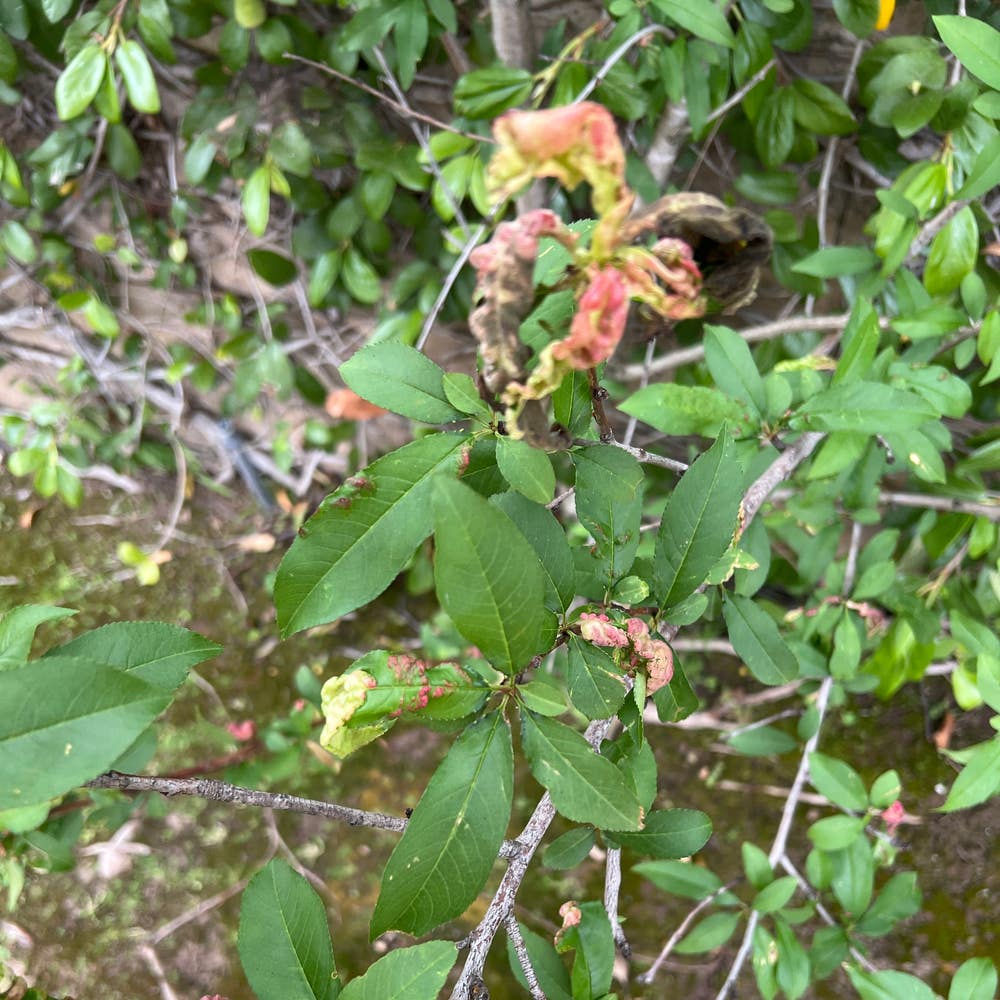
One of the primary culprits behind curling leaves on peach trees is Taphrina deformans, a fungus responsible for peach leaf curl. This fungus thrives in cool, wet spring conditions, where it can infect young leaves, leading to their characteristic distortion and curling.
🌍 Environmental Stress
🌵 Drought Conditions
Drought can severely impact peach trees, causing symptoms like wilting and leaf curl due to water scarcity. When trees lack sufficient moisture, they struggle to maintain healthy foliage.
💧 Excessive Moisture
On the flip side, excessive moisture can lead to root rot, making trees more vulnerable to fungal infections. This creates a cycle of stress that can further exacerbate leaf curling.
🐛 Pest Infestations
🐜 Aphids
Aphids are notorious for causing leaf curl, leaving behind a sticky residue as they feed on tree sap. Their presence can deplete nutrients, weakening the tree and making it more susceptible to other issues.
🕷️ Spider Mites
Spider mites also contribute to leaf curling, often leaving fine webbing and stippled leaves in their wake. These pests thrive in dry, hot weather, making monitoring essential during peak summer months.
🌱 Nutrient Deficiencies
🌿 Nitrogen Deficiency
A lack of nitrogen can manifest as yellowing leaves and stunted growth, signaling that your peach tree isn't getting the nutrients it needs. This deficiency can lead to overall poor health and reduced fruit yield.
🍌 Potassium Deficiency
Potassium deficiency is another concern, often resulting in curled leaves and poor fruit development. Ensuring your tree receives adequate nutrients is crucial for maintaining its vitality.
Understanding these causes is the first step in addressing the issue of curling leaves on your peach tree. By identifying the underlying problems, you can take proactive measures to restore your tree's health and vigor.
Symptoms and Diagnosis
🍃 Visual Signs of Leaf Curl
When inspecting your peach tree, look for leaves that are curled, distorted, and discolored. These symptoms are typically observed in early spring, signaling potential issues that need addressing.
🔍 Differentiating Between Causes
Identifying the cause of leaf curl is crucial. Fungal infections usually result in more uniform curling, often accompanied by a powdery appearance. In contrast, pest-related damage tends to be localized, with visible pests or webbing present on the affected leaves.
⏰ Timing of Symptoms
Understanding the seasonal patterns of leaf curl can help in diagnosis. Initial signs often appear in early spring, while late summer may reveal secondary symptoms due to stress factors like drought or pest infestations.
Recognizing these symptoms and their timing can empower you to take proactive measures, ensuring your peach tree remains healthy and productive.
Treatment Options
🧪 Chemical Treatments
When it comes to tackling leaf curl, chemical treatments can be effective. Fungicides are often the first line of defense against fungal infections like Taphrina deformans.
- Recommended Products: Look for fungicides specifically labeled for peach trees.
- Application Timing: Apply in early spring before symptoms appear for the best results.
Always remember to follow label instructions carefully. This ensures not only the effectiveness of the treatment but also the safety of your tree and the surrounding environment.
Insecticides are crucial for managing pest infestations.
- Effective Options: Choose insecticides that target aphids and spider mites.
- Timing of Application: Apply when pests are first noticed for maximum impact.
🌱 Organic Treatments
If you prefer a more natural approach, organic treatments can also yield positive results. Neem oil is a versatile option that works against both fungal issues and pests.
- Application Methods: Mix neem oil with water and spray directly on affected areas.
- Frequency: Reapply every 7 to 14 days, especially after rain.
Another excellent organic choice is horticultural soap.
- Usage: Spray on infested leaves to suffocate pests.
- Safety: It's gentle on beneficial insects, making it a great choice for eco-conscious gardeners.
🌳 Cultural Practices
Cultural practices play a vital role in maintaining tree health and preventing leaf curl. Pruning is essential for removing affected leaves and improving air circulation.
- Best Practices: Trim back any curled or distorted leaves to promote new growth.
- Air Circulation: This helps reduce humidity around the tree, making it less hospitable for fungal infections.
Proper watering techniques are equally important.
- Deep Watering: Ensure your peach tree receives deep, infrequent watering to encourage robust root systems.
- Healthy Roots: Strong roots can better withstand stress from drought or excess moisture.
By combining these treatment options, you can effectively manage leaf curl and keep your peach tree thriving. Next, let’s explore prevention strategies to ensure your tree remains healthy year-round.
Prevention Strategies
Best Practices for Peach Tree Care 🍑
Regular monitoring is key to catching early signs of leaf curl. Keeping a close eye on your peach trees helps you address issues before they escalate.
Maintaining tree health through proper care is essential. Healthy trees are more resilient against pests and diseases, making them less likely to suffer from leaf curl.
Soil Health and Nutrient Management 🌱
Soil testing is crucial for understanding nutrient levels. Knowing what your soil lacks allows you to make informed amendments.
Recommended amendments can prevent deficiencies that lead to leaf curl. Adding organic matter or specific fertilizers can boost your tree's health significantly.
Monitoring for Pests and Diseases 🐛
Conduct regular inspections for signs of pests and diseases. Early detection can save your trees from severe damage.
Using traps and barriers can effectively reduce pest populations. These proactive measures help protect your peach trees from infestations.
Seasonal Maintenance Tips 🌸
In spring, consider preventive fungicide applications. This can help ward off fungal infections before they take hold.
During summer, keep monitoring for pests and adjust your watering practices. Consistent care during these critical seasons can make all the difference in your peach tree's health.
By implementing these prevention strategies, you can enjoy healthier peach trees and a bountiful harvest. Next, let’s explore the symptoms and diagnosis of leaf curl to better understand what to look for.
⚠️ Safety First
This content is for general information and may contain errors, omissions, or outdated details. It is not medical, veterinary advice, or an endorsement of therapeutic claims.
Always consult a qualified healthcare professional before using any plant as food, medicine, or supplement.
Never eat any plant (or feed one to pets) without confirming its identity with at least two trusted sources.
If you suspect poisoning, call Poison Control (800) 222-1222, the Pet Poison Helpline (800) 213-6680, or your local emergency service immediately.
Spotted an error? Please report it here.
Keep your peach trees thriving 🍑 by using Greg's tailored care reminders to tackle curling leaves and ensure a bountiful harvest!