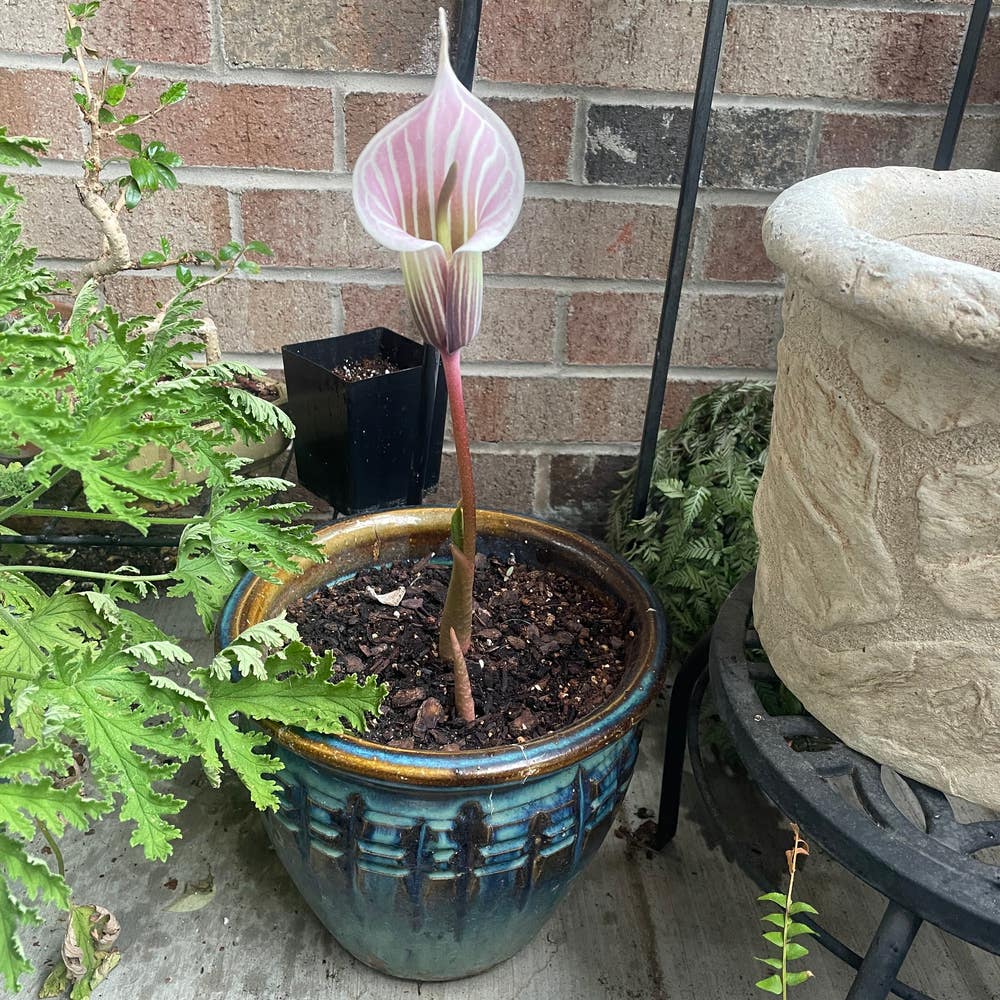
10 Secrets to Successfully Grow Jack in the Pulpit
Arisaema triphyllum
By the Greg Editorial Team
Sep 30, 2024•5 min read
This article was created with the help of AI so we can cover more plants for you. May contain errors. See one? Report it here.
Cultivate a thriving Jack in the Pulpit garden 🌱 with essential tips for optimal growth and care!
- 🌳 Jack in the Pulpit thrives in partial to full shade, perfect for woodland gardens.
- 🌡️ Optimal growth temperature is 60°F to 75°F; maintain humidity for best results.
- 🌱 Rich, well-drained soil with pH 5.5-7.0 is essential for healthy growth.
Choosing the Right Location
🌞 Sunlight Requirements
Jack in the Pulpit thrives in partial to full shade. This preference makes it an excellent choice for woodland gardens, where shade-loving plants create a lush, vibrant ecosystem.
🌡️ Ideal Temperature and Humidity
For optimal growth, maintain a temperature range of 60°F to 75°F (15°C to 24°C). Jack in the Pulpit also enjoys moderate to high humidity, closely resembling its natural woodland habitat.
By selecting the right location with these conditions, you set the stage for a flourishing Jack in the Pulpit. Next, let’s dive into soil preparation to ensure your plants have the best foundation for growth.
Soil Preparation
🌱 Soil Type and pH
To thrive, Jack in the Pulpit needs rich, well-drained soil packed with organic matter. Aim for a pH level between 5.5 and 7.0 to create the perfect environment for growth.
🍂 Organic Matter and Drainage Considerations
Adding compost or leaf mold is crucial for enriching the soil. This not only boosts nutrients but also enhances drainage, helping to prevent root rot, which can be a real threat to your plants.
Ensuring good drainage is essential; standing water can lead to serious issues. By preparing the soil properly, you set the stage for a healthy, vibrant Jack in the Pulpit garden.
With the right soil conditions established, you're ready to move on to effective planting techniques.
Planting Techniques
Best Planting Time 🌱
The best time to plant Jack in the Pulpit is during early spring or fall. These seasons provide the ideal conditions for establishing strong roots before the heat of summer or the chill of winter sets in.
Depth and Spacing 📏
When planting, aim for a depth of 3 to 4 inches. Ensure that you space your plants 12 to 18 inches apart to allow for healthy growth and airflow, preventing overcrowding and promoting vitality.
With the right timing and spacing, your Jack in the Pulpit will thrive, setting the stage for a flourishing garden. Next, let’s explore how to care for these unique plants through proper watering and fertilizing techniques.
Watering and Fertilizing
💧 Watering Guidelines
To keep your Jack in the Pulpit thriving, maintaining consistent moisture in the soil is crucial. During the growing season, aim for about 1-2 inches of water per week, adjusting based on rainfall.
🌱 Fertilizing Practices
When it comes to fertilizing, balanced organic fertilizers like 10-10-10 are your best bet. Apply these in early spring and again in mid-summer to support healthy growth and vibrant blooms.
🌟 Tips for Success
- Monitor Soil Moisture: Use your finger to check the soil; if it feels dry an inch down, it’s time to water.
- Avoid Overwatering: While moisture is key, too much water can lead to root rot. Always ensure your soil drains well.
By following these watering and fertilizing guidelines, you’ll set your Jack in the Pulpit up for success. Next, let’s dive into common challenges and seasonal care to keep your plants healthy year-round.
Common Challenges and Seasonal Care
🐛 Pests and Diseases
Jack in the Pulpit can face a few common pests, including slugs, snails, and aphids. These little nuisances can munch on your plants, so keep an eye out for them.
Fungal infections and root rot are also potential threats. Regularly inspect your plants and ensure good drainage to combat these issues effectively.
🌱 Seasonal Care Routines
Spring is the perfect time to monitor for new growth and any pesky pests. Early attention can set the stage for a healthy growing season.
In summer, keeping the soil moist is crucial, especially during hot spells. Aim for consistent moisture to help your plants thrive.
As fall approaches, you can start reducing watering as temperatures drop. This helps your plants prepare for the cooler months ahead.
During winter, protect your Jack in the Pulpit from extreme cold. Maintaining moisture levels is key, so check the soil periodically to ensure it doesn’t dry out completely.
By staying vigilant and adjusting your care routine with the seasons, you can help your Jack in the Pulpit flourish throughout the year. Next, let’s explore container gardening techniques for those who want to grow these unique plants in pots.
Container Gardening
Choosing the Right Container 🌱
When it comes to container gardening for Jack in the Pulpit, size matters. Opt for containers that are at least 12 inches deep to accommodate the plant's root system.
Material is also crucial. Choose between clay or plastic pots, ensuring they have drainage holes to prevent waterlogging.
Soil Mix and Care 🌿
For the ideal soil mix, combine equal parts potting soil, compost, and perlite. This blend provides the necessary nutrients and drainage for healthy growth.
Adjust your watering and fertilizing frequency based on the container size and environmental conditions. Smaller containers may require more frequent attention, especially during hot weather.
With the right container and soil mix, your Jack in the Pulpit can thrive, adding a unique touch to your garden. Next, let’s explore effective watering and fertilizing practices to keep your plants healthy.
⚠️ Safety First
This content is for general information and may contain errors, omissions, or outdated details. It is not medical, veterinary advice, or an endorsement of therapeutic claims.
Always consult a qualified healthcare professional before using any plant as food, medicine, or supplement.
Never eat any plant (or feed one to pets) without confirming its identity with at least two trusted sources.
If you suspect poisoning, call Poison Control (800) 222-1222, the Pet Poison Helpline (800) 213-6680, or your local emergency service immediately.
Spotted an error? Please report it here.
Cultivating Jack in the Pulpit is thrilling 🌿 when you leverage Greg's tailored care reminders and expert tips to meet its unique needs for shade and moisture!