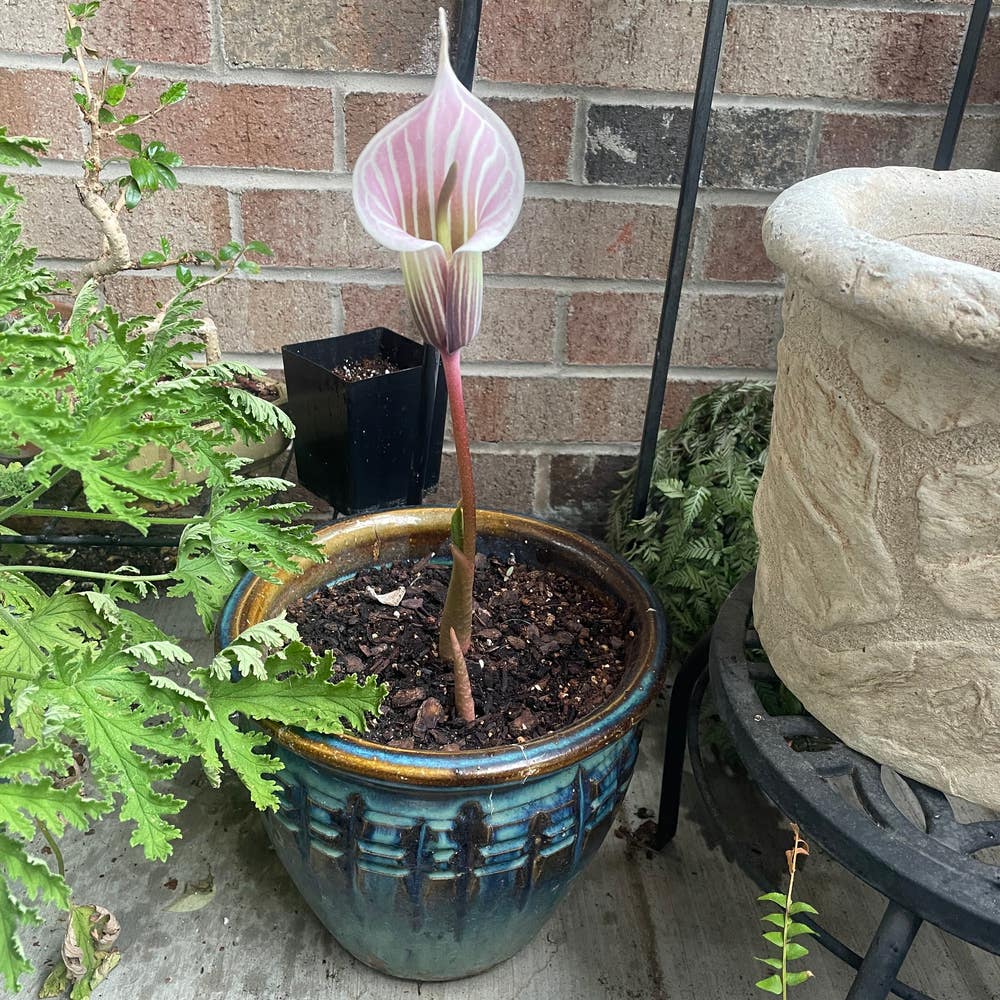
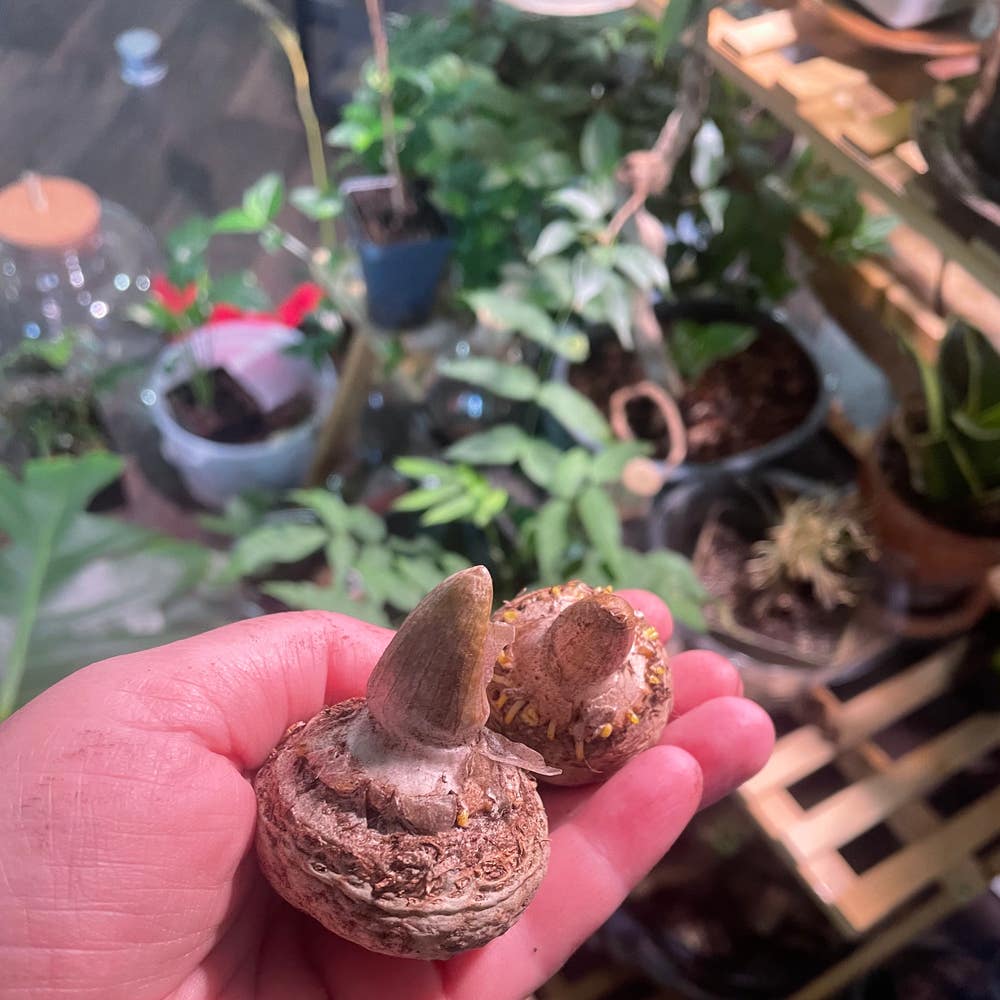
🥕 Jack in the Pulpit Roots 101
Arisaema triphyllum
By the Greg Editorial Team
Sep 30, 2024•6 min read
This article was created with the help of AI so we can cover more plants for you. May contain errors. See one? Report it here.
Cultivate vibrant Jack in the Pulpit plants 🌱 with essential tips on root care and successful propagation!
- 🌱 Jack in the Pulpit has a deep taproot, reaching 12-18 inches for stability.
- 💧 Consistent moisture is key, but avoid overwatering to prevent root rot.
- ✂️ Transplant in early spring or fall to minimize stress and ensure healthy growth.
Root System Characteristics
🌱 Type of Root System
Jack in the Pulpit features a robust taproot system. This deep anchorage provides stability and allows the plant to access moisture and nutrients from deeper soil layers.
In contrast to fibrous roots, which spread out horizontally, taproots penetrate vertically. This structure is particularly advantageous in environments where moisture is scarce, as it enables the plant to reach water sources that other plants cannot.
📏 Root Depth, Spread, and Growth Patterns
Typically, the root depth of Jack in the Pulpit ranges from 12 to 18 inches (30 to 45 cm). Its lateral spread can extend up to 24 inches (60 cm), optimizing nutrient absorption.
The growth patterns of this plant are influenced by its native habitat. It thrives in moist, well-draining soil and follows seasonal growth cycles, including dormancy periods that allow it to conserve energy during less favorable conditions.
Understanding these root system characteristics is essential for effective care. With this knowledge, you can better manage watering, fertilizing, and transplanting, ensuring your Jack in the Pulpit remains healthy and vibrant.
Watering and Fertilizing
🌱 How Root System Affects Watering Needs
Maintaining consistent moisture is vital for Jack in the Pulpit. However, be cautious of waterlogging, which can suffocate roots and lead to decay.
Signs of overwatering include yellowing leaves and wilting, even when the soil feels moist. To keep your plant thriving, aim for a weekly watering schedule during the growing season, reducing frequency during dormancy.
🌿 Fertilization Techniques for Optimal Root Health
Choosing the right fertilizer is essential for robust root health. Balanced NPK fertilizers work well, but organic options like compost and well-rotted manure can also provide excellent nourishment.
Fertilize in early spring and mid-summer for optimal growth. You can apply fertilizers through top-dressing or liquid feeds, ensuring your Jack in the Pulpit gets the nutrients it needs to flourish.
By understanding how to properly water and fertilize, you set the stage for a healthy plant. Next, let’s explore the best transplanting techniques to ensure your Jack in the Pulpit continues to thrive in its new environment.
Transplanting Techniques
Best Practices for Transplanting 🌱
Transplanting Jack in the Pulpit requires careful timing and the right tools. Aim for early spring or fall when the plant is dormant to minimize stress.
Gather essential tools: a garden spade, trowel, and pruning shears. These will help you navigate the transplanting process smoothly.
Follow these steps for successful transplanting:
- Prepare the new planting site with similar soil conditions to ensure a smooth transition.
- Carefully dig around the root system to minimize damage during the move.
- Replant at the same depth as it was previously grown to maintain stability.
- Water thoroughly after transplanting to help the plant settle in.
Conditions for Successful Transplanting ☁️
Weather plays a crucial role in transplant success. Overcast days are ideal as they reduce transplant shock, allowing the plant to acclimate better.
Soil preparation is equally important. Amend the soil to ensure it retains moisture while providing adequate drainage. This balance will support the plant's recovery and growth after transplanting.
By following these best practices and conditions, you can ensure a successful transplant for your Jack in the Pulpit, setting it up for a thriving future. Next, let’s explore how to maintain root health and address common issues that may arise.
Root Health and Common Issues
Identifying Common Root-Related Problems 🌱
Root rot is a significant concern for Jack in the Pulpit plants. Symptoms include yellowing leaves and wilting, even when the soil feels adequately moist.
The primary causes of root rot are overwatering and poor drainage. If you notice these signs, it’s crucial to act quickly to save your plant.
Other common issues include pests and diseases that can affect the roots. These problems can lead to stunted growth and overall plant decline.
Tips for Preventing and Solving Root Issues 🛠️
Maintaining healthy roots is essential for the vitality of your Jack in the Pulpit. Start with proper watering techniques; ensure the soil remains consistently moist but never waterlogged.
Soil amendments can also improve drainage, reducing the risk of root rot. Consider adding organic matter to enhance soil structure.
If root rot does occur, you can treat it by removing the affected roots and repotting the plant in fresh, well-draining soil. This step can help rejuvenate your plant and restore its health.
By staying vigilant and following these best practices, you can keep your Jack in the Pulpit thriving and vibrant. Next, we’ll explore how to recognize rootbound conditions and what to do about them.
Recognizing Rootbound Plants
Definition and Signs of Rootbound Conditions 🌱
Rootbound plants occur when roots circle the pot, restricting growth and nutrient uptake. This condition can lead to stunted growth and wilting, making it crucial for gardeners to recognize the signs early.
Look for visual cues such as roots emerging from drainage holes or a noticeable lack of new growth. If your Jack in the Pulpit is showing these symptoms, it’s time to take action.
Solutions for Rootbound Jack in the Pulpit 🛠️
Knowing when to intervene is key to maintaining a healthy plant. If you notice the signs of rootbound conditions, immediate action is necessary to prevent further stress on the plant.
Follow these steps to alleviate rootbound issues:
- Carefully remove the plant from its pot, taking care not to damage the roots.
- Trim any circling roots to encourage new growth and prevent further constriction.
- Repot the plant in a larger container filled with fresh, well-draining soil.
By addressing rootbound conditions promptly, you can help your Jack in the Pulpit thrive and flourish. This proactive approach ensures your plant has the space it needs to grow strong and healthy.
Propagation and Division
🌱 Importance of Root Health in Propagation
Healthy roots are the backbone of successful propagation. They provide the necessary nutrients and stability for new plants to thrive.
Timing is crucial for division. Early spring or fall are the best seasons to ensure optimal growth and recovery.
✂️ Step-by-Step Guide to Dividing Jack in the Pulpit
- Prepare tools: Gather clean, sharp garden shears to avoid damaging the plant.
- Dig up the plant: Carefully excavate the plant, exposing its root system without causing harm.
- Identify natural divisions: Look for sections in the root system that can be separated easily.
- Cut between divisions: Ensure each division has healthy roots for successful replanting.
- Replant divisions: Place each division at the same depth in suitable soil to encourage growth.
By following these steps, you can effectively propagate Jack in the Pulpit, ensuring vibrant and healthy plants. This process not only enhances your garden but also deepens your connection with these unique plants.
⚠️ Safety First
This content is for general information and may contain errors, omissions, or outdated details. It is not medical, veterinary advice, or an endorsement of therapeutic claims.
Always consult a qualified healthcare professional before using any plant as food, medicine, or supplement.
Never eat any plant (or feed one to pets) without confirming its identity with at least two trusted sources.
If you suspect poisoning, call Poison Control (800) 222-1222, the Pet Poison Helpline (800) 213-6680, or your local emergency service immediately.
Spotted an error? Please report it here.
Nurture your Jack in the Pulpit roots for thriving growth 🌱 by using Greg's tailored watering reminders and soil tips to keep root rot at bay!