Best Tips for Healthy Jack-in-the-Pulpit Roots
Arisaema triphyllum
By the Greg Editorial Team
Oct 18, 2024•7 min read
This article was created with the help of AI so we can cover more plants for you. May contain errors. See one? Report it here.
Master Jack-in-the-Pulpit's unique roots for a thriving garden 🌱 and unlock your plant's full potential! 🌿
- 🌱 Jack-in-the-Pulpit roots store nutrients and thrive with proper care and watering.
- 💧 Avoid overwatering to prevent root rot; use moisture meters for best results.
- 🌿 Healthy roots are crucial for propagation; monitor and maintain them regularly.
Root System Characteristics
Type of Root System 🌱
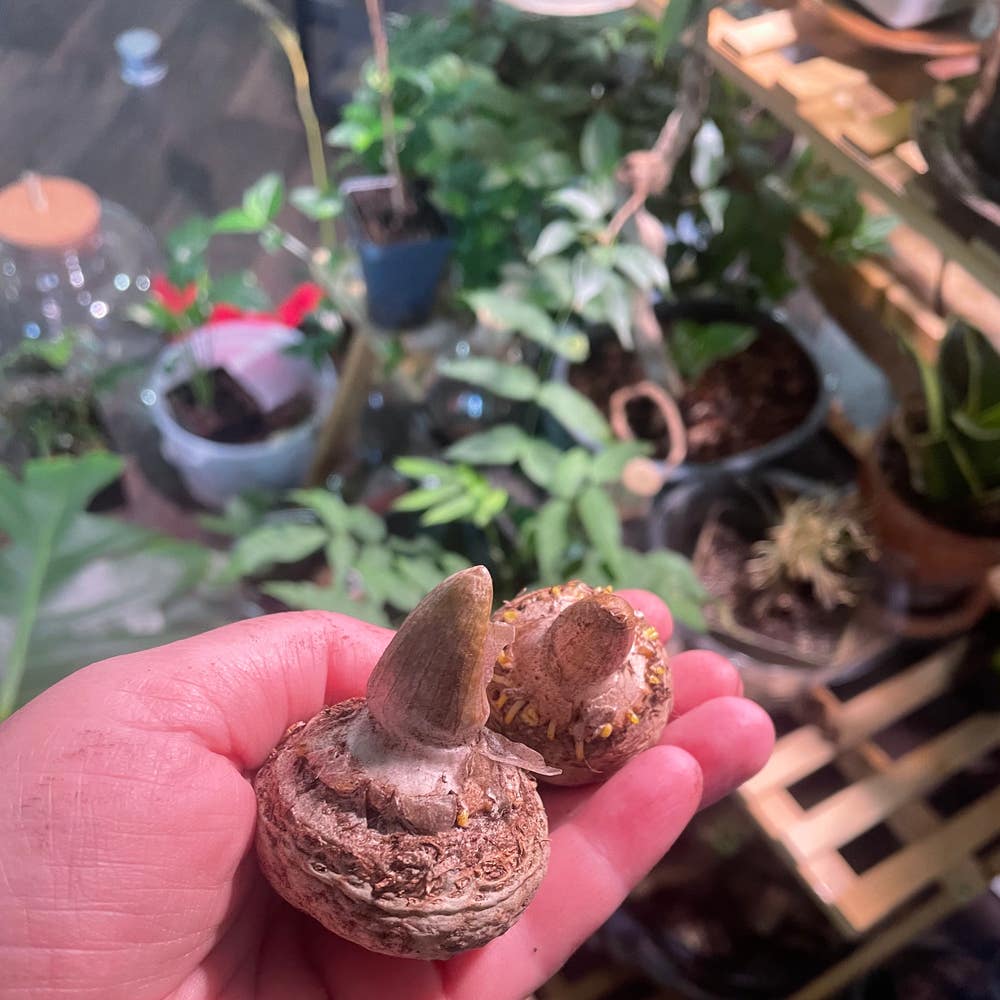
Jack-in-the-Pulpit features a rhizomatous root system, which consists of underground stems that spread horizontally. This unique structure allows the plant to store nutrients and water, ensuring its survival in diverse woodland habitats.
In comparison to taproot and fibrous roots, rhizomatous roots offer distinct advantages. They excel in vegetative propagation, enabling the plant to reproduce and thrive in shaded environments where competition for resources is fierce.
Specific Characteristics 🌿
The roots of Jack-in-the-Pulpit are characterized by their thick, fleshy structure and smooth texture. This design not only supports the plant but also aids in efficient nutrient and moisture absorption.
Healthy roots are crucial for overall plant vitality. They act as the foundation for growth, ensuring the plant can withstand environmental stresses and flourish in its habitat.
Root Depth and Spread
Typical Patterns 🌱
Jack-in-the-Pulpit roots typically reach an average depth of 12 to 18 inches (30 to 45 cm). This depth allows them to access essential moisture and nutrients from the soil.
Roots also extend horizontally, creating a network that maximizes their reach. This spread is crucial for the plant's survival, especially in woodland habitats where resources can be sparse.
Seasonal Changes in Root Growth 🍂
Root growth patterns vary with the seasons. In spring, roots actively expand as the plant prepares for the growing season, while in summer, they focus on nutrient absorption.
As temperatures drop in fall, root activity slows down, but they continue to establish themselves in preparation for winter. Environmental conditions, such as soil moisture and temperature, significantly influence these growth patterns, affecting overall plant health.
Understanding these dynamics can help you provide better care for your Jack-in-the-Pulpit, ensuring robust growth and vitality.
Watering and Fertilizing
🌱 How Root System Affects Needs
Jack-in-the-Pulpit roots are particularly sensitive to overwatering. Excess moisture can lead to root rot, which jeopardizes the plant's health.
To maintain optimal moisture levels, aim for a consistent watering schedule. Using moisture meters can help you gauge when your plant truly needs water, preventing both drought stress and soggy roots.
🌿 Best Practices for Fertilizing
When it comes to fertilizing Jack-in-the-Pulpit, choose balanced fertilizers that support root development. Organic options like compost or well-rotted manure can work wonders.
Timing is crucial; fertilize in early spring as new growth begins. Regular applications every 4-6 weeks during the growing season will keep your plant thriving.
Balanced nutrients are essential for robust root systems. They not only promote growth but also enhance the plant's resilience against pests and diseases.
With proper watering and fertilizing practices, your Jack-in-the-Pulpit will flourish. Next, let’s explore common root-related issues that can arise and how to tackle them effectively.
Common Root-Related Issues
🕵️ Identifying Problems
Root health is crucial for the vitality of Jack-in-the-Pulpit plants. Symptoms of root rot often manifest as wilting, yellowing leaves, and stunted growth, signaling that something is amiss below the surface.
Additionally, pests like root weevils can wreak havoc on the root system. These pests can lead to further deterioration, making it essential to keep an eye out for any signs of infestation.
🛡️ Prevention and Solutions
Preventing root rot starts with good practices. Implementing effective soil drainage techniques is vital; well-draining soil helps prevent water from pooling around the roots.
Establishing a proper watering schedule is equally important. Overwatering is a common mistake, so consider using moisture meters to gauge when your plant truly needs water.
If you do encounter affected roots, treatment options are available. Carefully remove the plant from its pot, trim away any rotten roots, and repot it in fresh, well-draining soil.
By staying vigilant and proactive, you can ensure your Jack-in-the-Pulpit thrives. Next, let’s explore how to identify indicators of root health to keep your plant in top shape.
Indicators of Root Health
Visual Cues 🌱
Healthy Jack-in-the-Pulpit roots exhibit firmness, a vibrant color, and a robust structure. These characteristics indicate that the roots are functioning well and are capable of supporting the plant's needs.
In contrast, unhealthy roots often present a mushy texture, discoloration, or even a foul odor. These signs can signal serious issues, such as root rot, which can jeopardize the plant's overall health.
Other Indicators 🔍
Beyond visual cues, the overall vigor of the plant plays a crucial role in assessing root health. A thriving plant typically showcases strong growth patterns, indicating that its roots are effectively absorbing nutrients and moisture.
Leaf health also serves as an indirect indicator of root condition. If the leaves are yellowing or wilting, it may reflect underlying root problems that need immediate attention.
Understanding these indicators can empower you to take proactive measures, ensuring your Jack-in-the-Pulpit remains healthy and vibrant. With this knowledge, you can better care for your plant and address any issues before they escalate.
Recognizing and Addressing Rootbound Conditions
📖 Definition and Signs
"Rootbound" refers to a condition where a plant's roots have filled its pot, leading to a cramped environment. This often results in roots circling the pot, which can stunt growth and hinder nutrient absorption.
🕒 When and How to Address Issues
Recognizing when to repot is crucial for your Jack-in-the-Pulpit. Look for signs like slowed growth or roots visibly pushing against the pot's sides.
Step-by-Step Instructions for Safely Repotting Jack-in-the-Pulpit
- Choose a pot that is 1-2 inches larger in diameter than the current one.
- Gently remove the plant from its current pot, taking care not to damage the roots.
- Loosen any tightly bound roots to encourage healthy growth in the new pot.
- Place the plant in the new pot with fresh soil, ensuring it sits at the same depth as before.
- Water thoroughly after repotting to help settle the soil and reduce transplant shock.
By addressing rootbound conditions promptly, you can ensure your Jack-in-the-Pulpit thrives. This proactive approach not only enhances root health but also promotes overall plant vitality.
Next, let’s explore the importance of root health in propagation and division.
Propagation and Division
🌱 Importance of Root Health
Healthy roots are crucial for successful propagation of Jack-in-the-Pulpit. They ensure that new plants can establish themselves effectively and thrive in their new environments.
Timing is also key when it comes to propagation. The best seasons for division are typically spring and early fall, when the plant is actively growing and can recover quickly from the process.
✂️ Techniques for Dividing
Dividing Jack-in-the-Pulpit is a straightforward process. Follow these steps for effective division:
- Identify healthy rhizomes for division.
- Use clean, sharp tools to cut the rhizomes.
- Ensure each division has at least one healthy root and shoot.
- Replant immediately in suitable soil.
After dividing, proper aftercare is essential. Water the newly divided plants thoroughly and consider applying a balanced fertilizer to support their recovery and growth.
By focusing on root health and following these techniques, you can successfully propagate and enjoy more of these unique plants in your garden.
The Role of Roots in Resilience
Importance in Overall Health 🌱
Roots are the unsung heroes of plant health. They anchor the plant while also absorbing water and nutrients, making them crucial for resilience against drought, pests, and diseases.
A robust root system helps plants withstand dry spells by tapping into deeper moisture reserves. Additionally, healthy roots can fend off pests and diseases, as they promote overall vigor and strength.
Strategies for Enhancing Root Health 🌿
To boost root health, consider these effective strategies:
Soil Quality: Use well-draining soil rich in organic matter. This encourages healthy root growth and prevents waterlogging.
Proper Watering: Avoid overwatering, which can suffocate roots. Instead, water deeply but less frequently to encourage roots to grow deeper.
Mulching: Apply mulch around the base of the plant. This helps retain moisture and regulate soil temperature, benefiting root health.
Fertilization: Use balanced fertilizers to provide essential nutrients. Timing is key; fertilize during the growing season for optimal results.
Conclusion 🌼
Understanding the role of roots in resilience is vital for the care and maintenance of Jack-in-the-Pulpit. By focusing on root health, you can enhance the overall vitality of your plant, ensuring it thrives in various conditions. This knowledge empowers you to nurture a healthier, more resilient garden.
⚠️ Safety First
This content is for general information and may contain errors, omissions, or outdated details. It is not medical, veterinary advice, or an endorsement of therapeutic claims.
Always consult a qualified healthcare professional before using any plant as food, medicine, or supplement.
Never eat any plant (or feed one to pets) without confirming its identity with at least two trusted sources.
If you suspect poisoning, call Poison Control (800) 222-1222, the Pet Poison Helpline (800) 213-6680, or your local emergency service immediately.
Spotted an error? Please report it here.
Nurture your Jack-in-the-Pulpit roots to thrive all year 🌱 with Greg's tailored watering reminders and nutrient tips that keep your plant healthy and resilient!