🌼 Jack-in-the-Pulpit Is Not Considered a Weed
Arisaema triphyllum
By the Greg Editorial Team
Oct 18, 2024•4 min read
This article was created with the help of AI so we can cover more plants for you. May contain errors. See one? Report it here.
Enhance your garden's beauty and biodiversity 🌱 with the sustainable choice of Jack-in-the-Pulpit!
- 🌱 Jack-in-the-Pulpit thrives in moist woodlands, enhancing local ecosystems and biodiversity.
- 🌼 Not a weed: Its limited spread and native status make it beneficial for gardens.
- 🌳 Supports wildlife by attracting pollinators and providing habitat, enriching your garden's ecosystem.
Plant Classification
🌱 Definition of Invasive Species
Invasive species are non-native plants that aggressively spread, outcompeting local flora and disrupting ecosystems. They typically exhibit rapid growth, high reproductive rates, and an impressive ability to adapt to various environments.
🌿 Characteristics of Jack-in-the-Pulpit
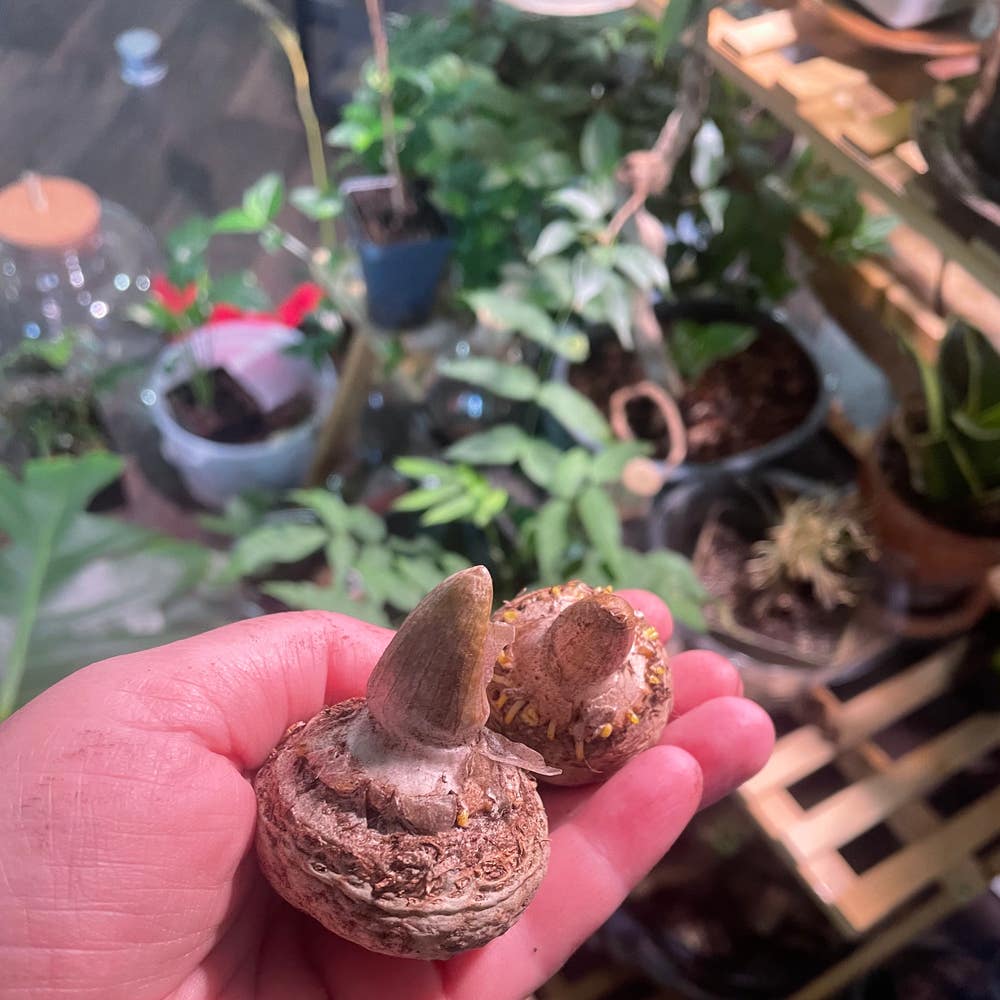
Jack-in-the-Pulpit is native to North America, thriving in moist woodlands and shaded areas. It grows from a corm, which significantly limits its spread compared to invasive species.
This plant prefers rich, well-drained soil and flourishes in partial to full shade. Its unique growth habits make it a valuable addition to native gardens, promoting biodiversity without overwhelming local ecosystems.
By understanding these characteristics, gardeners can appreciate why Jack-in-the-Pulpit is not considered a weed. Its role in the ecosystem is both beneficial and sustainable, making it a worthy choice for any garden.
As we explore its growth habits next, we’ll see how this plant fits into garden designs and its ecological contributions.
Growth Habits
Typical Growth Patterns in Gardens 🌱
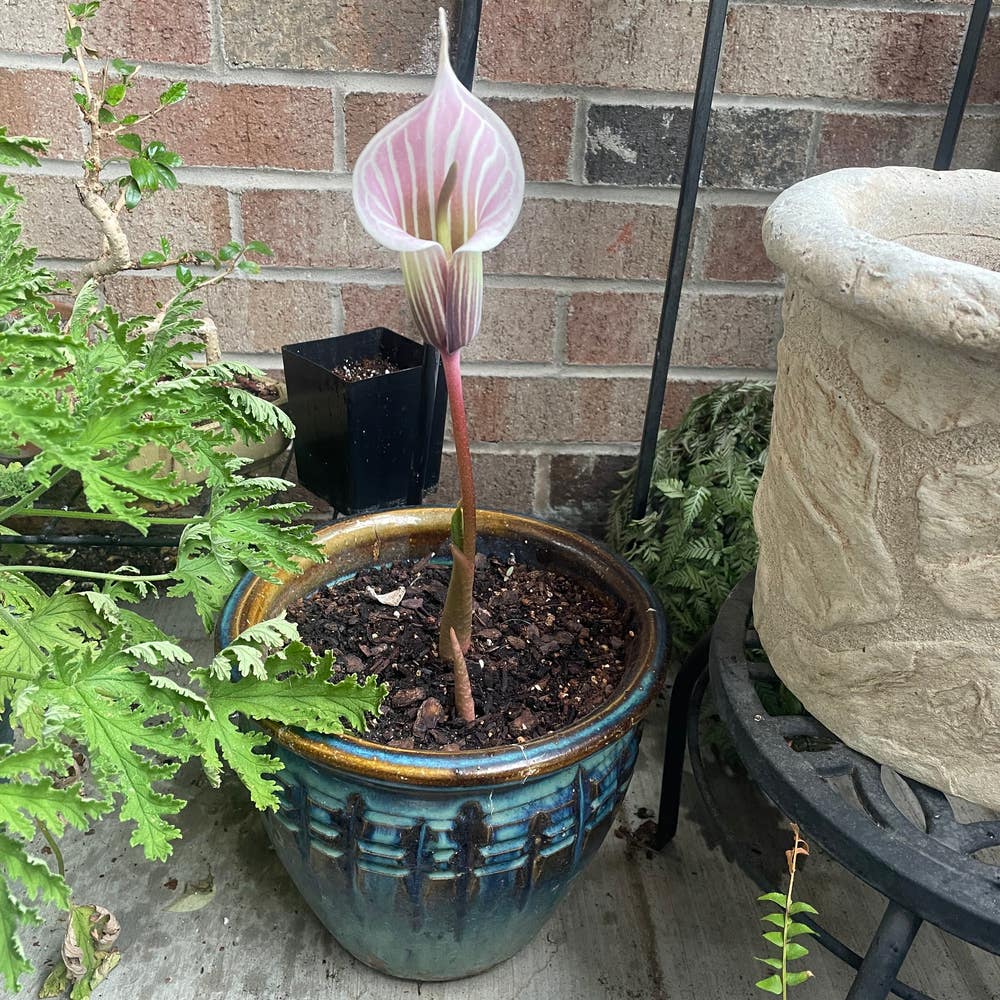
Jack-in-the-Pulpit typically reaches heights of 1 to 3 feet. Its striking single hooded flower emerges from a cluster of lush green leaves, creating a captivating focal point in any garden.
The growth cycle is quite distinct. It emerges in early spring, showcases its flowers from late spring to early summer, and gracefully dies back in the fall.
Spread Potential and Limitations 🚧
This plant has a limited spread due to its corm-based growth. Unlike invasive species, it doesn’t develop extensive root systems, which helps maintain balance in the garden.
Natural limitations come into play as well. Soil quality and moisture levels significantly influence its growth and reproduction, ensuring it thrives in the right conditions without overwhelming its surroundings.
Incorporating Jack-in-the-Pulpit into your garden not only adds beauty but also supports local ecosystems. Next, let’s explore its ecological role and the benefits it brings to wildlife.
Ecological Role
Benefits to Local Wildlife 🐝
Jack-in-the-Pulpit plays a vital role in supporting local wildlife. Its unique flowers attract pollinators like bees and butterflies, which are essential for maintaining biodiversity.
Additionally, this plant provides habitat and food for small wildlife, including various insects and birds. By fostering these relationships, Jack-in-the-Pulpit contributes to a thriving ecosystem.
Interactions with Other Plants 🌱
This native plant thrives alongside other shade-loving species, enhancing the biodiversity of woodland gardens. Its presence can create a more vibrant and balanced environment.
Moreover, Jack-in-the-Pulpit may support the growth of beneficial fungi in the soil. These fungi promote a healthy ecosystem, enriching the soil and aiding in nutrient absorption for surrounding plants.
Incorporating Jack-in-the-Pulpit into your garden not only beautifies the space but also enriches the local environment. As we explore garden management next, consider how this plant can fit into your landscape design.
Garden Management
Incorporating Jack-in-the-Pulpit into Garden Designs 🌿
Jack-in-the-Pulpit is a fantastic choice for woodland gardens or shaded areas in traditional landscapes. Its unique hooded flowers and lush foliage can create a striking focal point.
Planting these beauties in clusters enhances their natural look, making them a perfect addition to mixed perennial beds. They thrive in the company of other shade-loving plants, contributing to a vibrant garden ecosystem.
Growth Control Methods ⚖️
To keep Jack-in-the-Pulpit flourishing, monitor moisture levels to prevent overgrowth. This plant prefers well-drained soil, so maintaining the right balance is crucial.
Using mulch can effectively suppress weeds while helping to retain soil moisture. Regularly check for any unwanted spread, and manage accordingly to ensure a healthy garden environment.
Incorporating Jack-in-the-Pulpit not only beautifies your space but also supports local biodiversity. As you plan your garden, consider how these native plants can enhance your landscape while promoting ecological health.
Next, let’s explore the legal and environmental considerations surrounding this remarkable plant.
Legal and Environmental Considerations
Relevant Classifications and Guidelines 🌱
Jack-in-the-Pulpit is celebrated as a non-invasive native plant. This classification makes it an excellent choice for sustainable gardening practices.
Before planting, it's wise to check local regulations regarding native species. Understanding these guidelines ensures that your gardening efforts align with environmental conservation goals.
Sustainable Gardening Practices ♻️
Incorporating Jack-in-the-Pulpit into your garden supports biodiversity and promotes ecological health. This plant not only enhances the beauty of your space but also contributes to the local ecosystem.
Using native plants like Jack-in-the-Pulpit encourages a thriving environment. It helps create a balanced habitat that benefits both wildlife and plant communities, making your garden a sanctuary for nature.
By choosing native species, you’re not just planting; you’re fostering a healthier ecosystem. This choice reflects a commitment to sustainability and a deeper connection to the natural world.
As we explore the next section, let’s dive into how to effectively manage Jack-in-the-Pulpit in your garden.
⚠️ Safety First
This content is for general information and may contain errors, omissions, or outdated details. It is not medical, veterinary advice, or an endorsement of therapeutic claims.
Always consult a qualified healthcare professional before using any plant as food, medicine, or supplement.
Never eat any plant (or feed one to pets) without confirming its identity with at least two trusted sources.
If you suspect poisoning, call Poison Control (800) 222-1222, the Pet Poison Helpline (800) 213-6680, or your local emergency service immediately.
Spotted an error? Please report it here.
Cultivate a thriving garden with Jack-in-the-Pulpit 🌿 by using Greg's tailored care reminders to support its growth and enhance your local ecosystem!