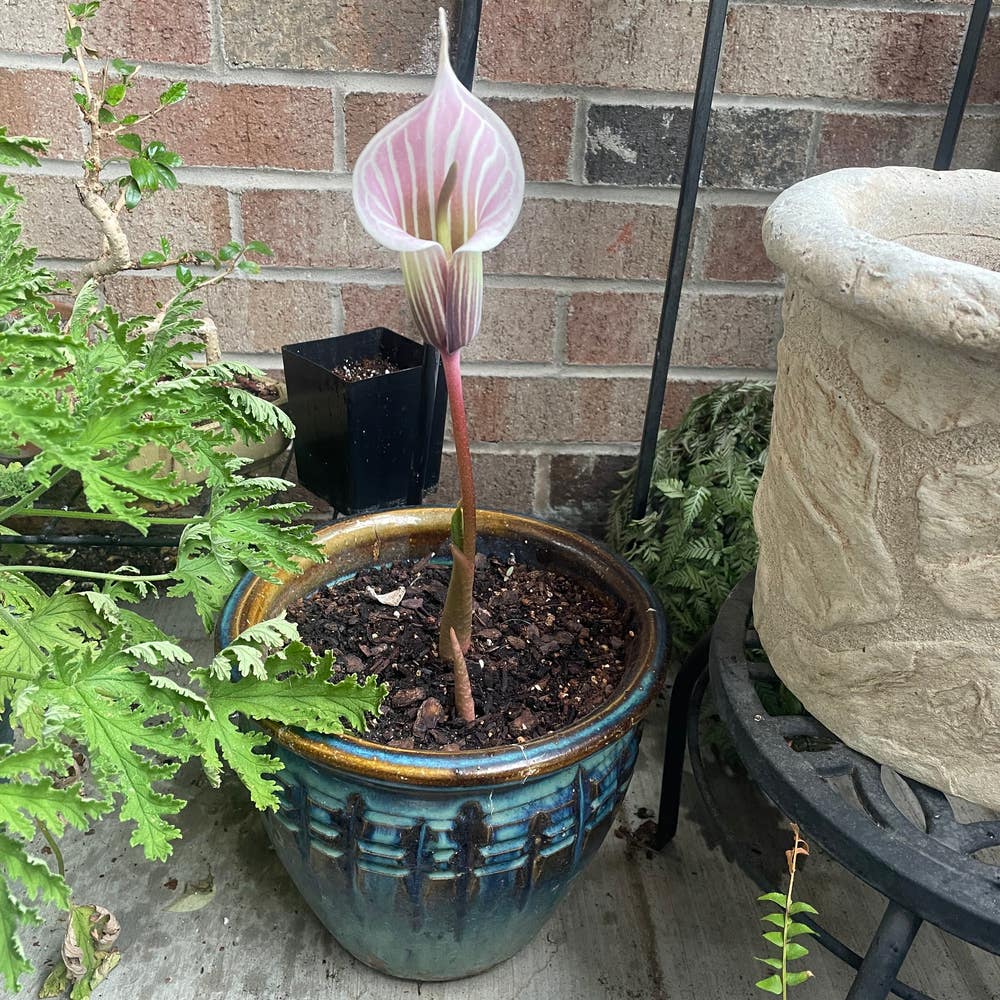
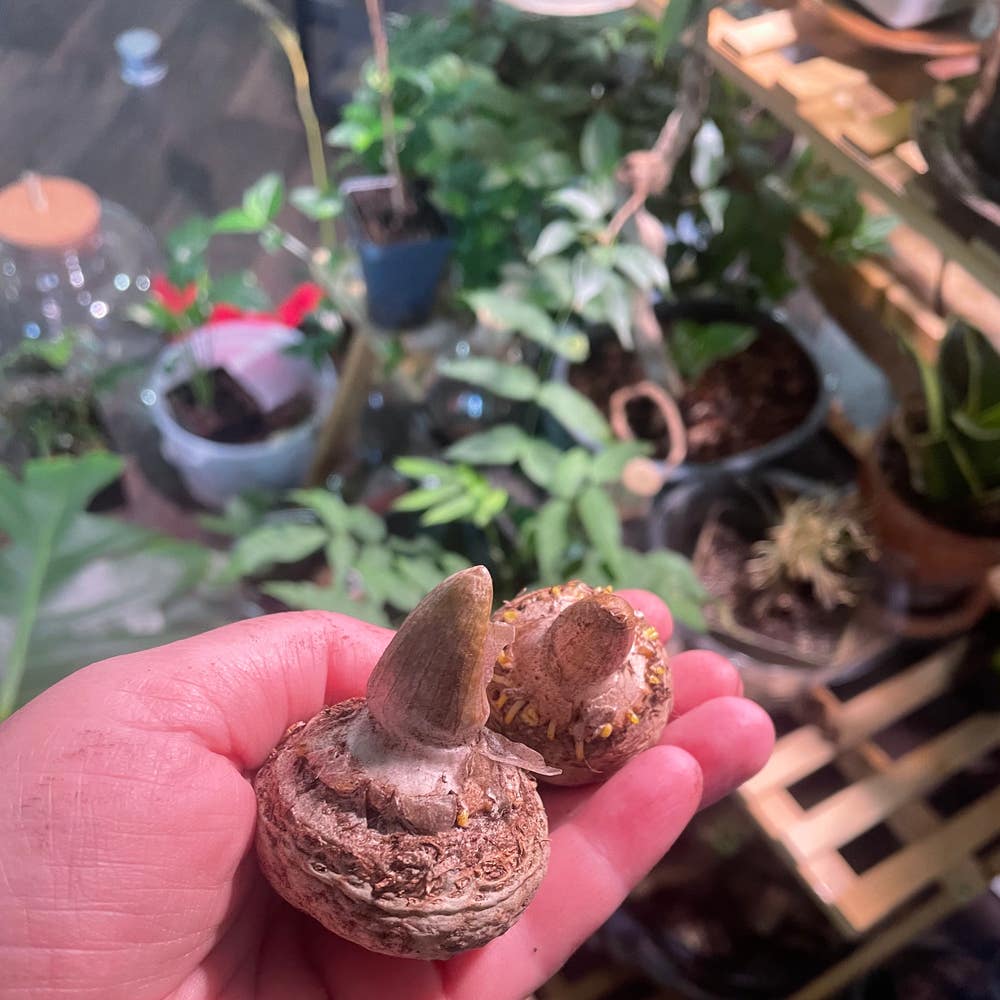
🌱 4 Tips for How to Plant Your Jack-in-the-Pulpit
Arisaema triphyllum
By the Greg Editorial Team
Oct 18, 2024•4 min read
This article was created with the help of AI so we can cover more plants for you. May contain errors. See one? Report it here.
Transform your garden with expert tips on planting and transplanting Jack-in-the-Pulpit! 🌱🌿
- 🌱 Choose seeds or established plants based on cost and garden conditions.
- 🌼 Best planting times are early spring or fall, depending on your climate.
- 🌿 Use rich, well-draining soil for optimal growth of Jack-in-the-Pulpit.
Planting vs. Transplanting
🧐 Key Considerations
When deciding between planting seeds or corms and transplanting established Jack-in-the-Pulpit plants, cost is a primary factor. Seeds or corms are generally cheaper, but established plants can save you time and effort.
Time to maturity is another crucial aspect. New plants take longer to establish and bloom, while transplanted plants often flower sooner, giving you quicker gratification in your garden.
Adaptability also plays a role in your decision. New plants may require more care and attention as they acclimate, whereas transplanted plants are already familiar with their environment, making them easier to manage.
Understanding these key considerations can help you make an informed choice that aligns with your gardening goals. Whether you opt for seeds or established plants, each method has its unique benefits and challenges.
Planting New Jack-in-the-Pulpit
🌱 Optimal Timing for Planting
The best time to plant your Jack-in-the-Pulpit is during early spring or fall. Timing can vary based on your local climate and the plant's growth cycle, so keep an eye on seasonal changes.
🌿 Selecting Soil Mix and Containers
Jack-in-the-Pulpit thrives in rich, well-draining soil that is high in organic matter. A recommended soil mix consists of equal parts compost, peat moss, and loamy soil, ensuring your plant gets the nutrients it needs.
For containers, consider using biodegradable pots. They make transplanting easier and are environmentally friendly.
📏 Proper Depth and Spacing
When planting, aim for a depth of 3-4 inches. Space your plants 12-18 inches apart to give them room to grow and flourish.
🌧️ Maintaining Ideal Growing Conditions
These plants love shade, so partial to full shade is essential for their success.
Consistent moisture is key, but be cautious of waterlogging. Organic mulch can help retain moisture while also suppressing weeds.
🛠️ Hardening Off Process
Hardening off is a gradual acclimatization process to outdoor conditions.
- Start indoors for 1-2 weeks.
- Gradually expose your plants to outdoor conditions.
- Monitor for stress signs like wilting or discoloration.
This process helps your Jack-in-the-Pulpit adjust smoothly to its new environment.
With these planting tips, your Jack-in-the-Pulpit will be well on its way to thriving in your garden. Next, let’s explore how to transplant established plants for optimal growth.
Transplanting Established Jack-in-the-Pulpit
Optimal Timing for Transplanting 🌱
Transplanting Jack-in-the-Pulpit is best done in early spring or late fall. During these times, the plant is dormant, which minimizes stress and promotes successful establishment.
Step-by-Step Instructions for Transplanting 🛠️
- Assess plant health: Check for signs of vigor, like healthy leaves and sturdy stems.
- Prepare the new site: Ensure the soil is rich and well-draining to support growth.
- Carefully remove the plant: Use a spade to dig around the corm, taking care not to damage the roots.
- Place the plant in the new site: Ensure it’s at the proper depth and spaced adequately.
- Backfill with soil: Firmly but gently pack the soil around the roots to eliminate air pockets.
Space Requirements 📏
When transplanting, maintain a minimum spacing of 12-18 inches between plants. This allows each Jack-in-the-Pulpit to thrive without competing for resources.
Transplanting can be a rewarding experience, ensuring your plants flourish in their new environment. With the right timing and care, your Jack-in-the-Pulpit will continue to thrive and bring beauty to your garden.
Care Tips for Newly Planted or Transplanted Jack-in-the-Pulpit
Watering and Mulching 🌧️
After planting or transplanting your Jack-in-the-Pulpit, keeping the soil consistently moist is crucial. This moisture helps the plant establish its roots and thrive in its new environment.
Applying a layer of organic mulch can significantly enhance moisture retention. Mulch not only conserves water but also suppresses weeds, giving your plant a better chance to flourish.
Support 🏗️
If your Jack-in-the-Pulpit appears to be leaning, don’t hesitate to use stakes for support. This simple measure can prevent damage and ensure your plant grows upright and healthy.
By following these care tips, you’ll set your Jack-in-the-Pulpit on the path to success. Next, let’s explore how to troubleshoot common issues that may arise during its growth.
Troubleshooting Common Issues
🌱 Identifying Transplant Shock
Transplant shock can be a frustrating hurdle for gardeners. Look out for symptoms like wilting, yellowing leaves, and stunted growth.
To combat these issues, ensure your Jack-in-the-Pulpit receives proper watering. Avoid disturbing the roots as they acclimate to their new environment.
🛠️ Addressing Establishment Problems
If your plant shows signs of lack of growth or leaf drop, it may be struggling to establish itself. These signs indicate that something isn't quite right.
To remedy this, adjust your watering routine and check the soil conditions. Providing some shade can also help your plant thrive during its adjustment period.
With these tips, you can nurture your Jack-in-the-Pulpit back to health and enjoy its unique beauty in your garden. Next, let’s explore care tips for newly planted or transplanted Jack-in-the-Pulpit to ensure they flourish.
⚠️ Safety First
This content is for general information and may contain errors, omissions, or outdated details. It is not medical, veterinary advice, or an endorsement of therapeutic claims.
Always consult a qualified healthcare professional before using any plant as food, medicine, or supplement.
Never eat any plant (or feed one to pets) without confirming its identity with at least two trusted sources.
If you suspect poisoning, call Poison Control (800) 222-1222, the Pet Poison Helpline (800) 213-6680, or your local emergency service immediately.
Spotted an error? Please report it here.
Plant your Jack-in-the-Pulpit with confidence 🌱 by using Greg's tailored reminders and expert tips to help your plants flourish in any garden!