🌺 Step-by-Step Guide to Pollinating Jack-in-the-Pulpit
Arisaema triphyllum
By the Greg Editorial Team
Oct 18, 2024•5 min read
This article was created with the help of AI so we can cover more plants for you. May contain errors. See one? Report it here.
Uncover the Jack-in-the-Pulpit's unique flower design that boosts survival and supports essential pollinators! 🌱
- 🌸 Jack-in-the-Pulpit has unique flowers that support both self and cross-pollination.
- 🐝 Key pollinators include bees and butterflies, enhancing genetic diversity and resilience.
- 🌿 Creating a pollinator-friendly garden boosts pollination success and ecosystem health.
Flower Structure
Description of Characteristics 🌼
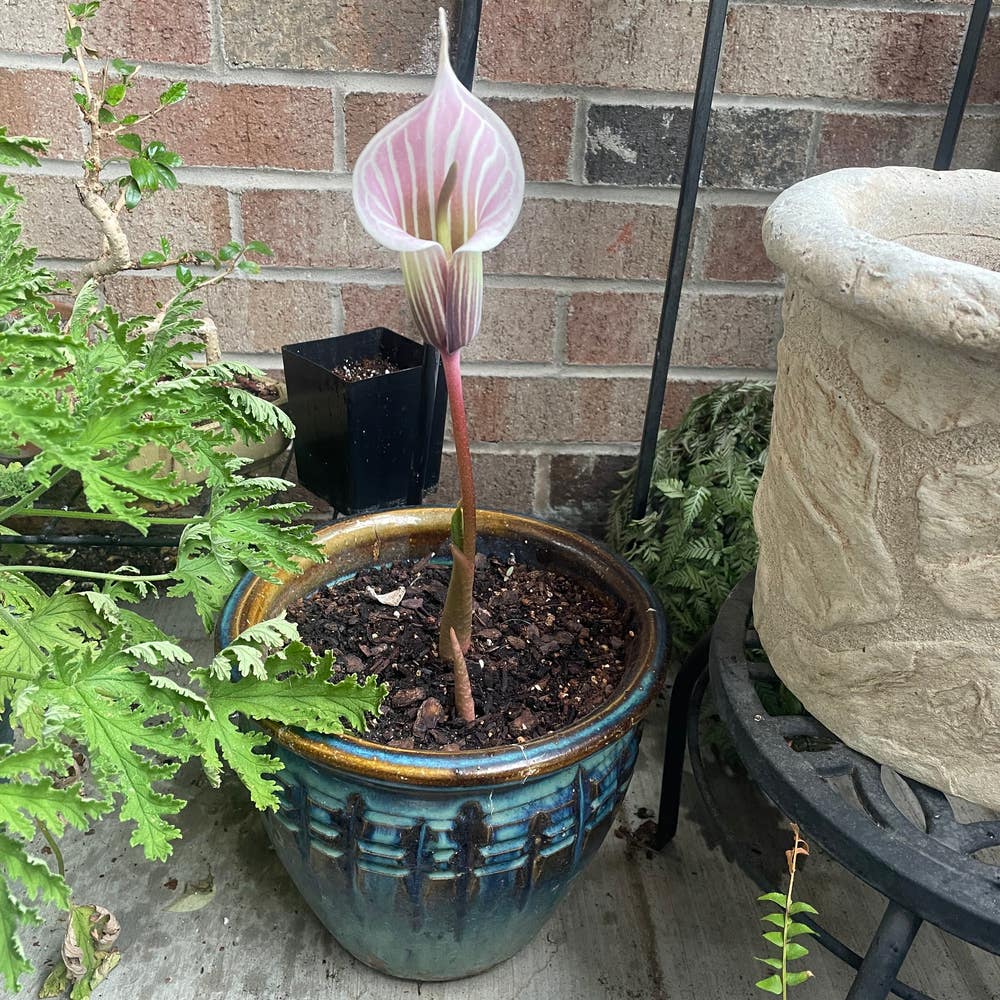
The Jack-in-the-Pulpit features a unique flower structure that captivates with its hood-like spathe. This spathe elegantly encloses the spadix, creating a distinctive appearance that ranges from greenish to purplish hues.
The arrangement of male and female reproductive organs within this flower is particularly notable. This design not only aids in reproduction but also plays a crucial role in the plant's pollination strategy.
Role in Pollination 🐝
The spathe serves as a protective barrier for the spadix, enhancing pollen retention. This clever design is essential for both self-pollination and cross-pollination, ensuring that the plant can reproduce effectively.
Moreover, the Jack-in-the-Pulpit employs various mechanisms to attract specific pollinator species. By utilizing scent, color, and nectar, it draws in the right visitors to facilitate its reproductive process.
In summary, the flower's structure and role in pollination are intricately linked, showcasing nature's brilliance in ensuring the survival of this fascinating plant. As we delve deeper into the pollination process, we will explore how these characteristics come into play.
Pollination Process
Self-Pollination Mechanism 🌱
Jack-in-the-Pulpit has a fascinating self-pollination mechanism. This plant can fertilize itself, ensuring reproduction even when pollinators are scarce.
Self-pollination offers several advantages. It guarantees seed production and helps maintain genetic stability, which is crucial for the species' survival.
Cross-Pollination Requirements 🐝
While self-pollination is effective, cross-pollination enhances genetic diversity. Key pollinators for Jack-in-the-Pulpit include bees, butterflies, moths, and hummingbirds.
To attract these pollinators, the plant employs various methods. It uses vibrant colors, enticing scents, and sweet nectar to draw in these essential visitors.
Understanding these processes not only highlights the plant's resilience but also underscores the importance of maintaining healthy pollinator populations. This leads us to explore natural pollination and its ecological significance.
Natural Pollination
🌬️ Pollen Transfer Mechanisms
Natural pollen transfer in Jack-in-the-Pulpit occurs primarily through two main agents: wind and animals. The unique structure of the flower facilitates this process, allowing pollen to be easily transferred from one flower to another.
Wind plays a subtle yet crucial role, carrying lightweight pollen grains across distances. However, animal activity, particularly by specific pollinators, significantly enhances this transfer, ensuring a more effective pollination process.
🌱 Ecological Significance
Pollination is vital for the reproduction of Jack-in-the-Pulpit, promoting genetic diversity within the species. This diversity is essential for resilience against diseases and environmental changes.
Moreover, pollination supports local ecosystems by fostering a rich tapestry of plant life. Healthy pollination processes contribute to the overall balance and sustainability of the environment, benefiting countless species that rely on these plants for food and habitat.
Understanding these mechanisms and their ecological importance can inspire us to protect and nurture our natural pollinators. As we delve deeper into the world of pollination, we can appreciate the intricate connections that sustain our ecosystems.
Hand Pollination Techniques
Hand pollination can be a rewarding way to ensure the successful reproduction of Jack-in-the-Pulpit. Here’s a straightforward guide to help you navigate this process.
Step 1: Identifying Male and Female Flower Parts 🌸
First, you need to identify the male and female parts of the flower. The male components are the anthers located on the spadix, while the female part is the stigma, also found on the spadix.
Step 2: Collecting Pollen 🧹
Next, gather pollen from the male flower parts. A small brush or cotton swab works wonders for this task, allowing you to collect the pollen without damaging the flower.
Step 3: Transferring Pollen 🔄
Now it’s time to transfer the pollen. Gently apply the collected pollen to the stigma, ensuring good contact for effective fertilization.
Step 4: Timing for Successful Fertilization ⏰
Timing is crucial for successful hand pollination. Aim to perform this process during the peak flowering season in spring when the flowers are most receptive.
By following these steps, you can enhance the chances of successful pollination in your Jack-in-the-Pulpit plants. This hands-on approach not only aids in reproduction but also deepens your connection with these unique flowers.
Next, let’s explore how to create a pollinator-friendly environment to support these fascinating plants and their pollinators.
Supporting Pollinators
🌼 Creating a Pollinator-Friendly Environment
Designing a garden that attracts pollinators is both rewarding and essential. Start by planting native species; these plants are adapted to your local environment and provide the best resources for local pollinators.
Additionally, ensure you provide water sources and shelter. A small birdbath or shallow dish can quench their thirst, while dense shrubs or logs offer safe havens for resting and nesting.
🌸 Companion Plants
Choosing the right companion plants can significantly enhance your garden's appeal to beneficial pollinators. Wildflowers are a fantastic choice, as they produce abundant nectar and pollen.
Consider adding ferns and other native plants to create a diverse habitat. This variety not only attracts different pollinator species but also supports a healthier ecosystem overall.
By fostering a welcoming environment for pollinators, you contribute to their survival and enhance the beauty of your garden. Next, let’s explore the challenges these vital creatures face in their quest for food and habitat.
Pollination Challenges
Common Obstacles 🐝
Pollination faces several challenges, primarily due to environmental factors. Temperature fluctuations and humidity levels can disrupt the delicate balance needed for effective pollination.
Another significant issue is the decline in pollinator populations. Habitat loss and pesticide use have led to fewer bees, butterflies, and other essential pollinators, making it harder for plants like Jack-in-the-Pulpit to reproduce.
Solutions 🌼
To enhance pollinator presence, consider implementing a few strategic practices. Planting a variety of native species can create a welcoming environment for diverse pollinators.
Maintaining a diverse plant community is crucial. This diversity not only attracts different pollinators but also supports overall ecosystem health.
Impact of Environmental Factors 🌦️
Seasonal variations can significantly affect pollination success. Changes in weather patterns may alter the timing of flowering and the availability of pollinators.
Monitoring these conditions is essential. Adapting your gardening practices based on seasonal changes can help ensure that your plants receive the pollination they need to thrive.
By understanding and addressing these challenges, you can contribute to a healthier ecosystem and support the vital process of pollination.
⚠️ Safety First
This content is for general information and may contain errors, omissions, or outdated details. It is not medical, veterinary advice, or an endorsement of therapeutic claims.
Always consult a qualified healthcare professional before using any plant as food, medicine, or supplement.
Never eat any plant (or feed one to pets) without confirming its identity with at least two trusted sources.
If you suspect poisoning, call Poison Control (800) 222-1222, the Pet Poison Helpline (800) 213-6680, or your local emergency service immediately.
Spotted an error? Please report it here.
Pollinating your Jack-in-the-Pulpit is thrilling 🌱, and with Greg's personalized care tips and reminders, you can boost your plant's reproduction and attract the perfect pollinators!