🌺 The Meaning of Jack-in-the-Pulpit Flowers
Arisaema triphyllum
By the Greg Editorial Team
Oct 18, 2024•5 min read
This article was created with the help of AI so we can cover more plants for you. May contain errors. See one? Report it here.
Unveil the charm of Jack-in-the-Pulpit: vibrant blooms and lush foliage that elevate your garden's beauty! 🌸
- 🌼 Jack-in-the-Pulpit flowers attract pollinators, enhancing garden biodiversity and beauty.
- 🌱 Environmental factors like soil and light impact blooming; ensure optimal conditions for growth.
- 🌳 Unique structure and colors make Jack-in-the-Pulpit a standout in any garden setting.
Flowering Status
Clarification on Flowering Status 🌸
Yes, Jack-in-the-Pulpit does produce flowers. These unique blooms play a significant role in the plant's ornamental appeal and ecological function, attracting various pollinators while adding a distinctive touch to gardens.
The flowering status of Jack-in-the-Pulpit enhances its value in landscaping. Its striking appearance can elevate any garden space, while its ecological role supports local wildlife, making it a dual-purpose plant.
Explanation of Non-Flowering Characteristics 🌿
If Jack-in-the-Pulpit does not flower, it is often due to environmental conditions or the plant being cultivated primarily for its lush foliage. Factors like soil quality, moisture, and light exposure can greatly influence its ability to bloom.
Different varieties of Jack-in-the-Pulpit may exhibit variations in flowering. Some may bloom more readily than others, depending on their specific growing conditions and genetic traits. Understanding these differences can help gardeners select the right variety for their landscape needs.
If Jack-in-the-Pulpit Flowers
🌈 Flower Characteristics
Description of Colors and Structure
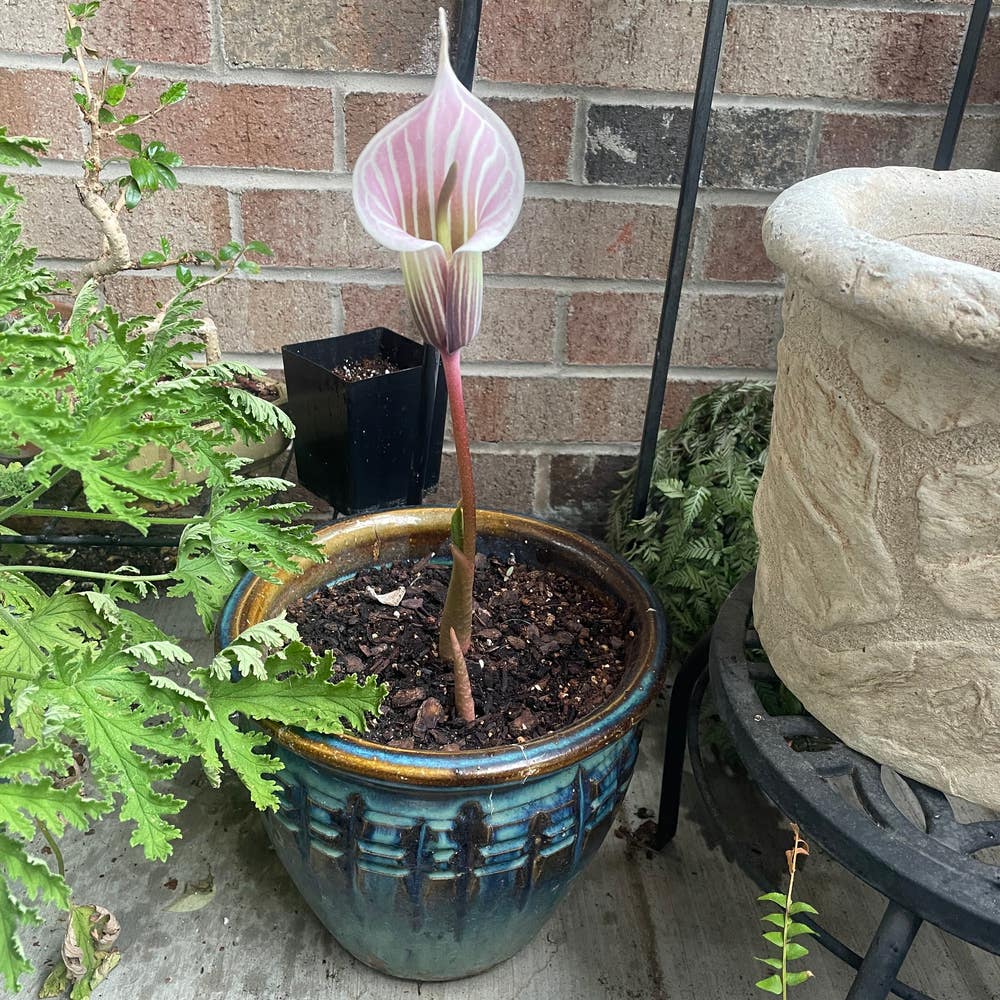
Jack-in-the-Pulpit flowers are a visual delight, showcasing a range of colors from vibrant green to deep purple. The unique structure features a spathe, which is a hood-like leaf that envelops the spadix, a spike that holds the actual flowers.
Self-Pollination vs. External Pollination
This fascinating plant primarily relies on external pollination rather than self-pollination. Insects play a crucial role in this process, helping to transfer pollen between flowers.
🌸 Blooming Process
Stages of Blooming
The blooming process of Jack-in-the-Pulpit unfolds in several stages, starting from bud formation to full bloom. A bloom chart can help visualize this journey, showcasing the transformation over time.
Typical Bloom Time
Typically, Jack-in-the-Pulpit blooms in the spring, bringing life to gardens after winter's chill. However, regional variations can affect the exact timing, with some areas experiencing blooms earlier or later.
Duration from Bud Formation to Full Bloom
From bud formation to full bloom, the process generally takes a few weeks. This gradual development allows gardeners to anticipate the arrival of these stunning flowers.
Lifespan of Flowers
Once in full bloom, Jack-in-the-Pulpit flowers usually last for several weeks. Their lifespan adds to the plant's appeal, providing a prolonged display of beauty.
🌱 Encouraging Blooms
Tips for Encouraging Flowering
To encourage Jack-in-the-Pulpit to bloom, ensure it receives adequate sunlight and moisture. Proper care, including well-draining soil and regular watering, can significantly enhance flowering potential.
Factors Influencing Flowering
Several key factors influence flowering, including soil quality, moisture levels, and light exposure. Paying attention to these elements can make a big difference in the plant's blooming success.
🌼 Post-Flowering
What Happens After Flowering
After flowering, Jack-in-the-Pulpit focuses on energy storage for future growth. This period may lead to changes in appearance, as the plant prepares for the next growing season.
Does Jack-in-the-Pulpit Die After Flowering?
Rest assured, Jack-in-the-Pulpit does not die after flowering. Instead, it continues to thrive, ready to bloom again in the following season.
🐝 Pollination
Description of Pollination Methods
Jack-in-the-Pulpit employs specific methods of pollination, primarily relying on insects for the transfer of pollen. Unique adaptations, such as its flower structure, enhance its effectiveness in attracting these essential pollinators.
With a deeper understanding of Jack-in-the-Pulpit's flowering process, you can appreciate its beauty and ecological role even more. Next, let’s explore what happens if Jack-in-the-Pulpit doesn’t flower.
If Jack-in-the-Pulpit Doesn't Flower
🌿 Primary Ornamental or Functional Features
Even when Jack-in-the-Pulpit doesn’t bloom, it still offers striking ornamental value. Its lush, broad leaves create a vibrant green backdrop, adding texture and depth to any garden.
The plant's unique structure, with its distinctive hooded spathe, provides visual interest year-round. This makes it a popular choice in shaded areas, where its foliage can thrive and enhance the landscape.
🌱 Reproduction Without Flowers
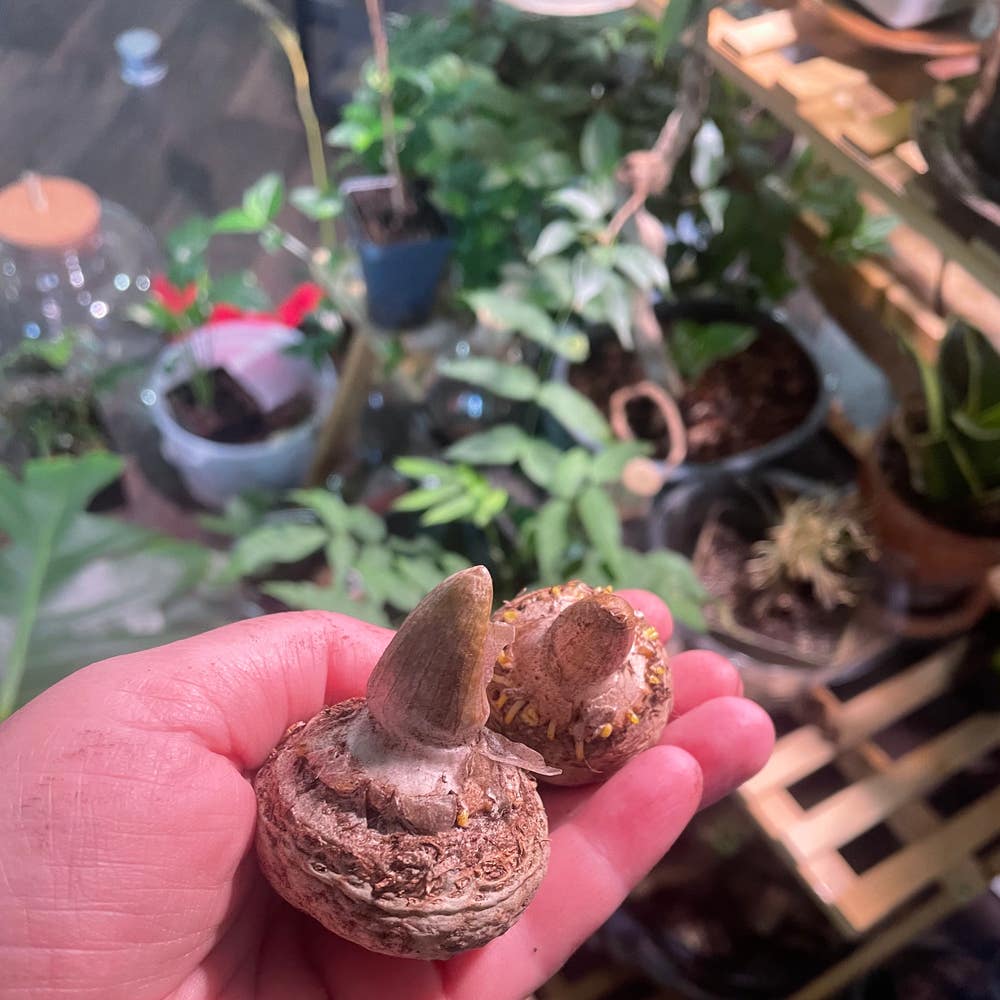
Jack-in-the-Pulpit has a fascinating way of reproducing asexually through corms. These underground storage organs allow the plant to survive and spread, even in the absence of flowers.
This reproductive strategy has ecological implications, as it enables the plant to establish colonies in suitable habitats. It’s a clever adaptation that ensures survival in varying environmental conditions, making Jack-in-the-Pulpit a resilient addition to any ecosystem.
As we explore the unique aspects of this intriguing plant, we’ll uncover more about its characteristics and ecological significance.
Unique Aspects
Unusual Characteristics Related to Flowering or Non-Flowering 🌱
Jack-in-the-Pulpit is fascinating for its unique flowering and non-flowering traits. One standout feature is its ability to thrive in shaded woodland areas, where many plants struggle.
This adaptability allows it to flourish even when flowering is sporadic. The plant's striking foliage, with its broad leaves and distinctive shape, remains visually appealing throughout the growing season, making it a valuable addition to gardens.
Interesting Facts or Trivia About Reproductive Strategy 🤔
Did you know that Jack-in-the-Pulpit can reproduce asexually through corms? This means that even without flowers, the plant can continue to spread and thrive.
A common misconception is that flowering is essential for reproduction. In reality, this plant's ability to reproduce without flowers highlights its resilience and ecological significance, ensuring its survival in various environments.
These adaptations not only enhance its survival but also contribute to its unique role in the ecosystem, supporting local wildlife and maintaining biodiversity.
As we explore the intricacies of Jack-in-the-Pulpit, it becomes clear that its unusual characteristics and reproductive strategies make it a remarkable specimen in the plant kingdom.
⚠️ Safety First
This content is for general information and may contain errors, omissions, or outdated details. It is not medical, veterinary advice, or an endorsement of therapeutic claims.
Always consult a qualified healthcare professional before using any plant as food, medicine, or supplement.
Never eat any plant (or feed one to pets) without confirming its identity with at least two trusted sources.
If you suspect poisoning, call Poison Control (800) 222-1222, the Pet Poison Helpline (800) 213-6680, or your local emergency service immediately.
Spotted an error? Please report it here.
Enhance your garden's beauty and support local wildlife with thriving Jack-in-the-Pulpit blooms 🌱—let Greg guide you with personalized care tips to create the perfect environment for these stunning flowers!