🌺 7 Secrets to Successfully Grow Jack-in-the-Pulpit
Arisaema triphyllum
By the Greg Editorial Team
Oct 18, 2024•6 min read
This article was created with the help of AI so we can cover more plants for you. May contain errors. See one? Report it here.
Master essential care techniques to cultivate vibrant Jack-in-the-Pulpit plants in your garden! 🌱
- 🌳 Jack-in-the-Pulpit thrives in shade, mimicking its natural woodland habitat.
- 💧 Consistent moisture is key; use well-drained, moist soil to prevent drought stress.
- 🌱 Optimal planting time is spring or fall for best growth results.
General Care for Jack-in-the-Pulpit
🌳 Choosing the Right Location
Sunlight Requirements
Jack-in-the-Pulpit thrives in partial to full shade. Too much sunlight can lead to leaf scorch and hinder growth, so it's crucial to find a spot that mimics its natural woodland habitat.
Moisture Levels
Consistent moisture is vital for this plant to prevent drought stress. Aim for well-drained yet moist soil to keep your Jack-in-the-Pulpit healthy and vibrant.
🏺 Soil Preparation
Ideal Soil Type
For optimal growth, Jack-in-the-Pulpit prefers loamy soil rich in organic matter. Good drainage is essential to prevent root rot, so ensure your soil composition allows for proper water flow.
pH Levels
The ideal pH range for Jack-in-the-Pulpit is between 5.5 and 7.0. Testing your soil pH can be done using simple kits available at garden centers, ensuring your plant gets the right nutrients.
🌱 Planting Techniques
Best Planting Time
The best time to plant Jack-in-the-Pulpit is early spring or fall. Pay attention to seasonal temperature and moisture conditions to give your plants the best start.
Spacing and Depth
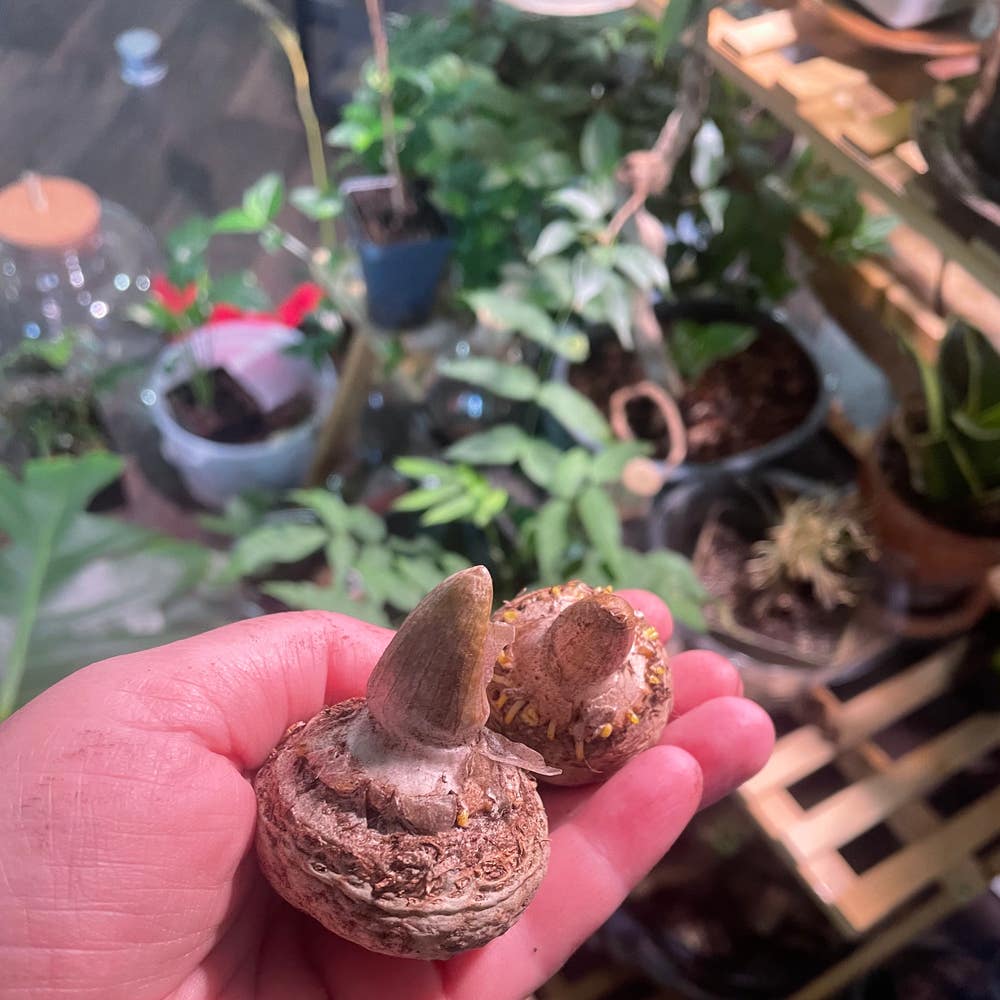
When planting, space your Jack-in-the-Pulpit corms 12-18 inches apart. Plant them at a depth of 2-4 inches to allow for healthy root development.
💧 Watering Guidelines
Frequency and Amount
Water your Jack-in-the-Pulpit weekly during dry spells to maintain consistent moisture. Adjust your watering based on rainfall and monitor soil moisture levels to avoid over or under-watering.
Signs of Over/Under-Watering
Overwatering can cause yellowing leaves and root rot, while underwatering may lead to wilting and browning leaf edges. Keep an eye on these symptoms to ensure your plant stays healthy.
🌼 Fertilizing Practices
Types of Fertilizers
Use balanced NPK or organic fertilizers for your Jack-in-the-Pulpit. Slow-release fertilizers are ideal to avoid chemical burn and provide a steady nutrient supply.
Application Frequency
Fertilize your plants in early spring and mid-summer. Look for signs of nutrient deficiency, such as yellowing leaves or stunted growth, to adjust your fertilization schedule accordingly.
✂️ Pruning and Maintenance
When and How to Prune
Prune your Jack-in-the-Pulpit in late fall after the foliage has died back. Focus on removing dead or damaged leaves to promote healthy growth for the next season.
Seasonal Care Tips
Regular maintenance includes mulching and weed control. Monitor your plant's health with regular inspections to catch any issues early on.
With these care tips in mind, you're well on your way to nurturing a thriving Jack-in-the-Pulpit. Next, let's explore how to successfully grow these plants in containers for those with limited garden space.
Container Growing
Choosing the Right Container 🌱
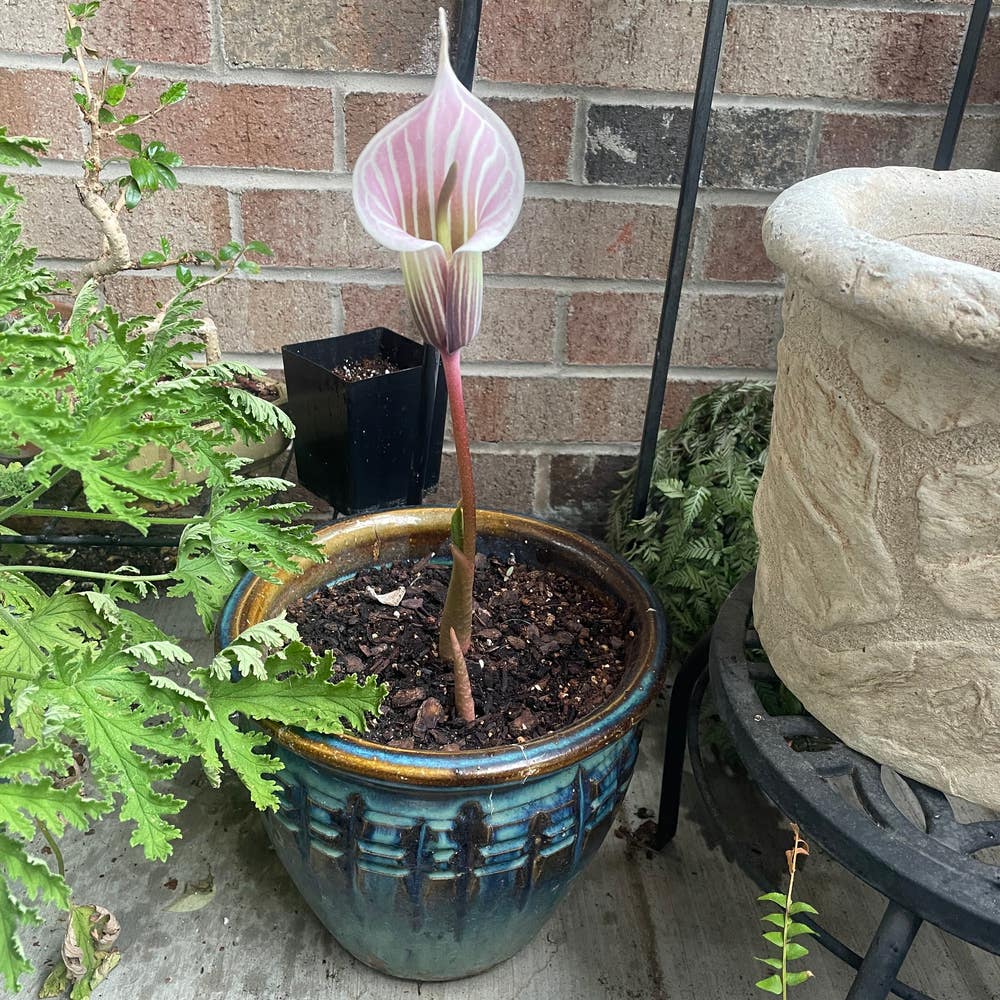
When growing Jack-in-the-Pulpit in containers, size matters. Aim for a minimum diameter of 12 inches to ensure adequate root growth.
Drainage is crucial for container plants. Always choose pots with drainage holes to prevent waterlogging, which can lead to root rot.
Soil Mix for Container Growth 🪴
The right soil mix can make all the difference. Combine equal parts potting soil, compost, and perlite for optimal growth.
Aeration is key to moisture retention. This mix allows for good drainage while keeping the roots happy and hydrated.
Watering and Fertilizing in Containers 💧
Container plants need more frequent watering than those in the ground. Monitor moisture levels closely, especially during dry spells.
Fertilizing is also essential. Stick to a monthly schedule during the growing season to keep your Jack-in-the-Pulpit thriving.
With the right container, soil mix, and care, your Jack-in-the-Pulpit will flourish. Next, let’s explore common challenges and solutions to ensure your plants stay healthy and vibrant.
Common Challenges and Solutions
🐛 Pests and Diseases
Identification and Management
Jack-in-the-Pulpit can face a few pesky intruders. Common culprits include slugs, snails, and aphids, which can wreak havoc on your plants.
To manage these pests, consider using organic pesticides or simply handpicking them off your plants. Barriers like copper tape can also deter slugs and snails effectively.
🌪️ Environmental Stressors
Adapting to Changing Conditions
Temperature fluctuations can stress your Jack-in-the-Pulpit. Protect your plants from extreme heat or cold by providing shade or covering them during harsh weather.
Humidity plays a crucial role in their health. Maintaining adequate moisture in dry conditions helps keep your plants thriving.
🚧 Overcoming Growth Issues
Troubleshooting Common Problems
If you notice yellowing leaves, it could indicate several issues. Overwatering, nutrient deficiencies, or even pests can cause this distress.
Stunted growth is another common problem. Check for nutrient deficiencies or root issues to get your plant back on track. Regular monitoring can help you catch these problems early, ensuring your Jack-in-the-Pulpit remains healthy and vibrant.
With these strategies in hand, you're well-equipped to tackle the challenges that may arise. Next, let's explore effective propagation techniques to expand your Jack-in-the-Pulpit collection.
Propagation Techniques
🌱 Seed Propagation
Timing is crucial for successful seed propagation of Jack-in-the-Pulpit. Aim to sow seeds from late winter to early spring for optimal growth.
Creating the right environment is equally important. Seeds thrive in a warm, moist setting, so ensure you maintain these conditions for successful germination.
✂️ Division of Rhizomes
Dividing rhizomes is another effective propagation method. The best time for this is early spring or fall, as the plants are either waking up or preparing for dormancy.
When dividing, focus on ensuring each section has healthy roots. This increases the chances of successful establishment in their new locations.
⏰ Timing and Care for Propagation
After propagation, proper care is essential. Keep the soil consistently moist and provide adequate light to support new growth.
Monitoring is key to success. Look for signs of healthy establishment, such as new shoots or leaves, to ensure your propagation efforts are paying off.
With these techniques, you can expand your Jack-in-the-Pulpit collection and enjoy their unique beauty in your garden. Next, let’s explore seasonal considerations to keep your plants thriving year-round.
Seasonal Considerations
🌱 Spring Care Tips
As Jack-in-the-Pulpit emerges from dormancy, look for signs of new growth like fresh leaves unfurling. This is the perfect time to reestablish your fertilization and watering routines to support their revitalization.
☀️ Summer Maintenance
During the summer, keep a close eye on moisture levels. Adjust your watering frequency based on rainfall to ensure your plants remain hydrated without becoming waterlogged.
🍂 Fall Preparation for Winter
As fall approaches, it's crucial to prepare your Jack-in-the-Pulpit for dormancy. Start reducing watering and fertilization to help them transition smoothly into the colder months.
❄️ Winter Dormancy Care
In winter, minimal disturbance is key to allowing your plants to rest. Regularly check for pests, as they can still pose a threat during dormancy, ensuring your plants stay healthy until spring returns.
With these seasonal care tips, your Jack-in-the-Pulpit will thrive year-round, setting the stage for successful propagation techniques next.
⚠️ Safety First
This content is for general information and may contain errors, omissions, or outdated details. It is not medical, veterinary advice, or an endorsement of therapeutic claims.
Always consult a qualified healthcare professional before using any plant as food, medicine, or supplement.
Never eat any plant (or feed one to pets) without confirming its identity with at least two trusted sources.
If you suspect poisoning, call Poison Control (800) 222-1222, the Pet Poison Helpline (800) 213-6680, or your local emergency service immediately.
Spotted an error? Please report it here.
Unlock the secrets to thriving Jack-in-the-Pulpit 🌱 with Greg's tailored care reminders and expert tips that keep your plants happy and healthy all season long!