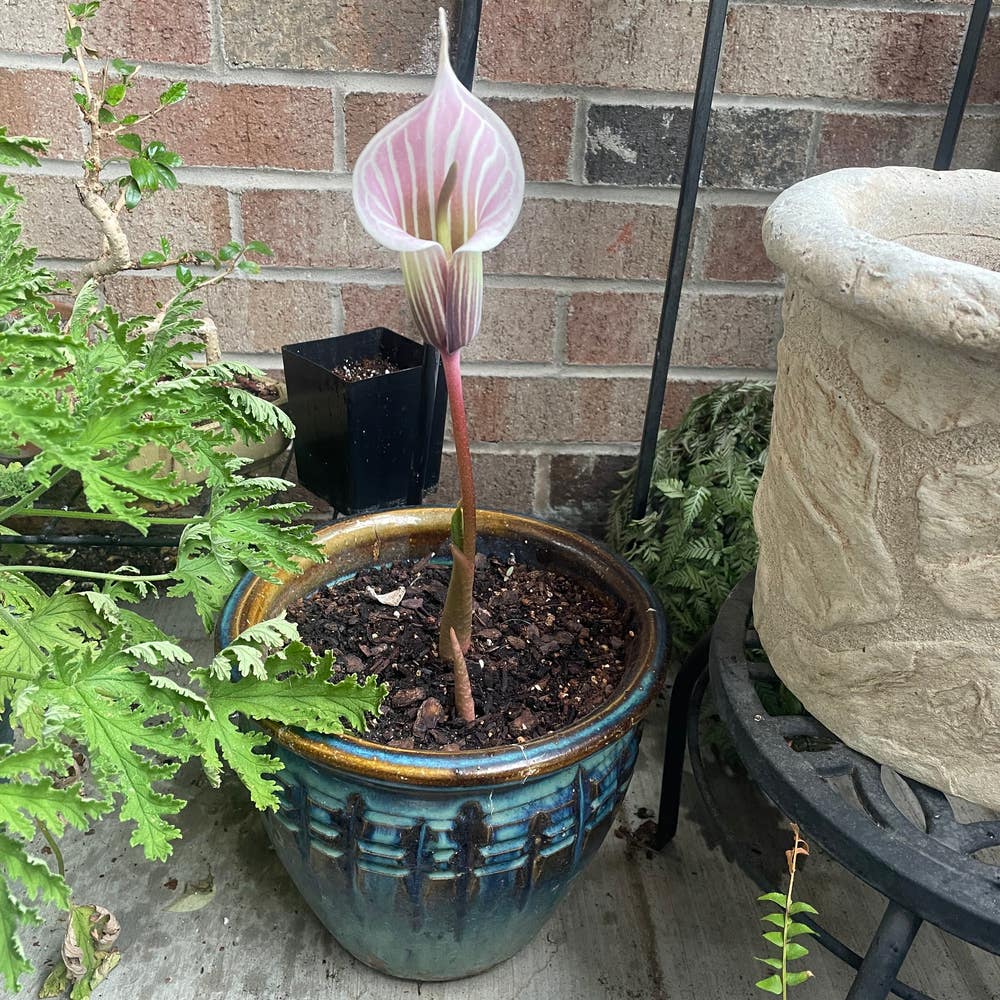
🍄 Where Can Jack-in-the-Pulpit Grow? Zones 4a-9b
Arisaema triphyllum
By the Greg Editorial Team
Oct 18, 2024•5 min read
This article was created with the help of AI so we can cover more plants for you. May contain errors. See one? Report it here.
Master the ideal conditions for thriving Jack-in-the-Pulpit plants and watch your garden flourish! 🌱
- 🌱 Jack-in-the-Pulpit thrives in USDA zones 4a-9b, ideal for many states.
- ❄️ Protect from frost using mulch or row covers for healthy growth.
- 💧 Consistent moisture and shade are crucial for thriving Jack-in-the-Pulpit plants.
Temperature Tolerance
❄️ Cold Tolerance Specifics
Jack-in-the-Pulpit can tolerate minimum temperatures down to about 20°F. However, frost can severely impact its growth and survival, especially during early spring when new shoots emerge.
To protect these plants from frost damage, consider using mulch or row covers. These strategies help insulate the soil and maintain a stable temperature around the plant.
🔥 Heat Tolerance Specifics
On the flip side, Jack-in-the-Pulpit thrives in temperatures up to 85°F. Beyond this, heat stress can lead to wilting and reduced growth.
Moisture retention becomes crucial in hot conditions. Ensuring the soil remains consistently moist can help mitigate the effects of heat stress.
🌡️ Ideal Temperature Ranges for Growth
The optimal temperature range for Jack-in-the-Pulpit is between 50°F and 75°F. This range supports robust growth and flowering.
Seasonal temperature variations can affect the plant's health. Consistency in temperature is vital for healthy development, as fluctuations can lead to stress and hinder growth.
In summary, understanding temperature tolerance is essential for cultivating Jack-in-the-Pulpit successfully. Next, we’ll explore the ideal growing regions for this unique plant.
Ideal Growing Regions
🌱 Examples of Suitable US States
Jack-in-the-Pulpit thrives in USDA zones 4a-9b, making several states ideal for its growth. Notable examples include New York, Pennsylvania, Virginia, and North Carolina, where the climate and soil conditions align perfectly with the plant's needs.
These states typically offer a mix of temperate climates and rich, organic soils that support the growth of this unique plant. The combination of moisture and shade in these regions creates a welcoming environment for Jack-in-the-Pulpit.
🌧️ Factors Contributing to Ideal Conditions
Moisture and shade are crucial for Jack-in-the-Pulpit's survival, reflecting its native habitat. These plants flourish in areas where they can access consistent moisture and protection from direct sunlight.
Soil quality is another key factor. Jack-in-the-Pulpit prefers rich, well-drained soil with high organic matter, which helps retain moisture while providing essential nutrients. Local climate also plays a significant role, as shade-loving plants like this one thrive in cooler, damp environments.
🌍 Comparison of Regions Within the Hardiness Zone Range
Even within the same hardiness zone, climate can vary significantly. For instance, microclimates can create pockets of unique conditions that either support or hinder growth.
Consider areas with varying elevations or proximity to water bodies. These factors can influence temperature and moisture levels, leading to diverse growing conditions for Jack-in-the-Pulpit. Understanding these regional differences is essential for successful cultivation.
As we explore the impact of microclimates further, we’ll uncover how these localized conditions can extend the growing range of Jack-in-the-Pulpit beyond typical expectations.
Microclimates and Their Impact
🌦️ Definition and Formation
Microclimates are localized climate variations that differ from the surrounding areas. They form due to factors like topography, vegetation, and proximity to water bodies, creating unique environments where plants can thrive.
🌍 Factors Creating Microclimates
- Topography: Hills and valleys can trap heat or cold, affecting temperature.
- Vegetation: Dense tree cover can provide shade and retain moisture.
- Water Bodies: Lakes and rivers moderate temperatures, creating milder conditions.
🌱 Extending Growing Range
Microclimates can enable plants like Jack-in-the-Pulpit to flourish outside their typical hardiness zones. Local conditions, such as shade and moisture, play a crucial role in determining their success.
📍 Importance of Local Conditions
Understanding your specific environment can help you maximize growth potential. Tailoring care based on local microclimate characteristics can lead to thriving plants.
🌄 Specific Examples Affecting Growth
In states like North Carolina, valleys can create warmer microclimates that support Jack-in-the-Pulpit. Similarly, shaded areas in Pennsylvania can provide the ideal conditions for this plant to flourish.
📊 Case Studies of Successful Growth
- North Carolina: Microclimates in the Appalachian foothills allow Jack-in-the-Pulpit to thrive in cooler, moist conditions.
- Pennsylvania: Shaded forest edges provide a perfect habitat, showcasing the plant's adaptability.
Understanding microclimates is essential for successful gardening. By recognizing these localized conditions, you can enhance your chances of growing Jack-in-the-Pulpit and other shade-loving plants.
Next, we’ll explore state-level suitability analysis to identify where this fascinating plant can best thrive.
State-Level Suitability Analysis
🌱 Suitable US States
Jack-in-the-Pulpit thrives in several states across USDA zones 4a-9b. Here’s a look at some of the best states for this unique plant:
- New York: With its rich, moist woodlands, New York provides the perfect environment for Jack-in-the-Pulpit to flourish.
- Pennsylvania: The state's diverse ecosystems and ample shade create ideal conditions for growth.
- Virginia: Known for its humid climate, Virginia offers the moisture levels that Jack-in-the-Pulpit loves.
- North Carolina: The combination of warm temperatures and rich soil makes this state a haven for these plants.
These states share characteristics such as ample moisture, shade, and rich soil, all crucial for the health of Jack-in-the-Pulpit.
🚫 Unsuitable States
While many states are suitable, some fall outside the hardiness zone range. Notable examples include:
- Florida: The heat and humidity can be too intense for Jack-in-the-Pulpit.
- Texas: Extreme temperatures and arid conditions hinder growth.
These states lack the cooler, shaded environments that Jack-in-the-Pulpit requires to thrive.
❌ Reasons for Unsuitability
Several factors contribute to the unsuitability of certain states:
Temperature Extremes: States like Florida and Texas experience high temperatures that can stress the plant, leading to poor health.
Soil and Moisture Conditions: Many unsuitable states have sandy or dry soils that do not retain the moisture Jack-in-the-Pulpit needs.
Climate Change Effects: Shifting climate patterns can alter hardiness zone boundaries, making previously suitable areas less viable for growth.
Understanding these factors is essential for anyone looking to cultivate Jack-in-the-Pulpit successfully.
As we explore the next section, we’ll delve into the fascinating world of microclimates and how they can impact the growth of this unique plant.
⚠️ Safety First
This content is for general information and may contain errors, omissions, or outdated details. It is not medical, veterinary advice, or an endorsement of therapeutic claims.
Always consult a qualified healthcare professional before using any plant as food, medicine, or supplement.
Never eat any plant (or feed one to pets) without confirming its identity with at least two trusted sources.
If you suspect poisoning, call Poison Control (800) 222-1222, the Pet Poison Helpline (800) 213-6680, or your local emergency service immediately.
Spotted an error? Please report it here.
Unlock the secret to thriving Jack-in-the-Pulpit 🌿 by using Greg's tailored watering reminders and care tips to create the perfect moisture-rich, shaded environment for your plants!