🍄 Growth Rate of Jack-in-the-Pulpit
Arisaema triphyllum
By the Greg Editorial Team
Oct 18, 2024•6 min read
This article was created with the help of AI so we can cover more plants for you. May contain errors. See one? Report it here.
Discover how to nurture Jack-in-the-Pulpit from seed to bloom 🌱 and witness nature's beauty unfold!
- 🌱 Jack-in-the-Pulpit seeds germinate in 2-3 months under optimal conditions.
- 🌳 Ideal growth thrives in shaded, nutrient-rich soil with consistent moisture.
- 🐝 Pollinated by flies and beetles, flowering occurs 3-5 years post-germination.
Germination Stage
🌱 Duration of Germination
The germination period for Jack-in-the-Pulpit typically spans 2-3 months. This timeframe can vary based on several factors, including temperature, moisture levels, and seed viability.
🌤️ Conditions for Successful Germination
To ensure successful germination, specific conditions must be met:
Soil Requirements
The soil should be well-draining and rich in organic matter. This provides the necessary nutrients for the young plant.
Temperature Range
A temperature range of 60°F to 70°F (15°C to 21°C) is ideal. Maintaining this range helps optimize the germination process.
Moisture Levels
Consistent moisture is crucial, but avoid waterlogging. Too much water can hinder germination and damage the seeds.
Light Exposure
Jack-in-the-Pulpit generally prefers shaded conditions. This light preference helps protect the delicate seedlings from harsh sunlight.
Understanding these germination conditions is vital for nurturing healthy plants. With the right environment, you can witness the fascinating journey from seed to seedling.
Next, we’ll explore the characteristics of seedlings and what to expect during this exciting growth phase.
Seedling Stage
🌱 Characteristics of Seedlings
Jack-in-the-Pulpit seedlings are quite distinctive. They feature trifoliate leaves, meaning each leaf has three leaflets, which gives them a unique appearance.
Typically, these seedlings stand between 2 to 6 inches tall. This modest height is just the beginning of their growth journey.
⏳ Duration of the Seedling Stage
The seedling stage lasts approximately 1 to 2 years. During this time, growth is slow and steady.
Root systems gradually develop, anchoring the plant and preparing it for future growth. Patience is key as these seedlings lay the groundwork for their future.
As we move forward, we’ll explore the vegetative growth stage, where the Jack-in-the-Pulpit begins to flourish even more.
Vegetative Growth Stage
Growth Patterns and Duration 🌱
The vegetative growth stage of Jack-in-the-Pulpit lasts about 2-3 years before it flowers. During this time, the plant's leaves grow larger and more robust, reaching impressive heights of 1-3 feet.
Environmental Factors Affecting Growth 🌧️
Soil moisture plays a crucial role in the plant's development. Consistent moisture ensures optimal growth, allowing the plant to thrive.
Light Conditions
Jack-in-the-Pulpit prefers partial to full shade. This preference helps it avoid the harshness of direct sunlight, promoting healthier growth.
Competition
The surrounding vegetation can significantly impact growth rates. Competition for resources like light and nutrients can slow down the development of Jack-in-the-Pulpit.
Understanding these growth patterns and environmental factors is essential for anyone looking to cultivate this unique plant. As we move forward, we’ll explore the flowering stage and what it entails for the Jack-in-the-Pulpit.
Flowering Stage
Timing of Flowering 🌸
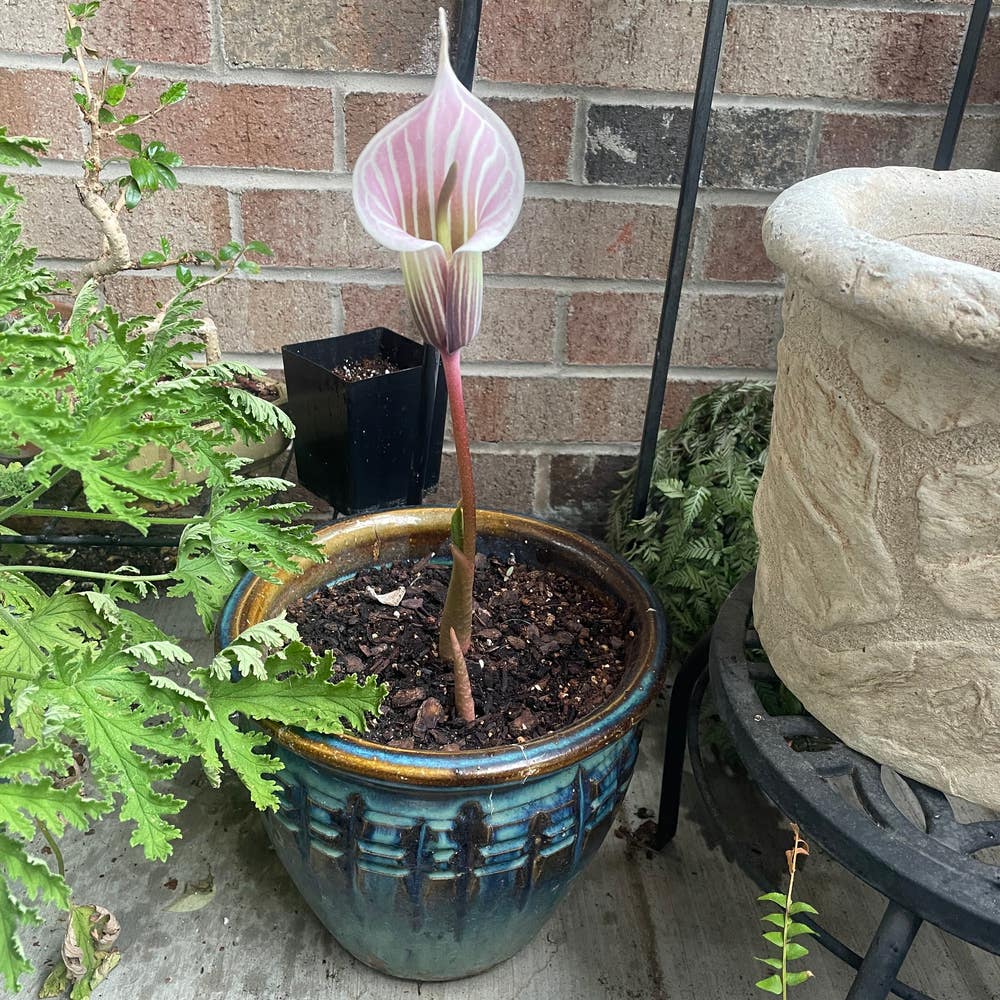
The flowering period for Jack-in-the-Pulpit typically spans from late spring to early summer, specifically between May and June. This vibrant display generally occurs 3-5 years after the seeds have germinated, marking a significant milestone in the plant's life cycle.
Pollination Process 🐝
Pollination is a fascinating aspect of the Jack-in-the-Pulpit’s reproductive strategy. Primarily, flies and beetles are the main pollinators, drawn to the plant's unique inflorescence.
Inflorescence Structure
The hood-like spathe and spadix play crucial roles in attracting these pollinators. This specialized structure not only enhances visibility but also creates a microhabitat that encourages successful pollination.
The intricate relationship between the plant and its pollinators is a beautiful example of nature's synergy. Understanding this process can deepen your appreciation for the Jack-in-the-Pulpit and its role in the ecosystem.
As we transition to the next stage, we'll explore how the plant produces seeds and the conditions necessary for successful seed development.
Seed Production
Duration and Conditions for Seed Production 🌧️
After flowering, Jack-in-the-Pulpit takes about 1-2 months to develop seeds. This period is crucial and requires adequate moisture and nutrient-rich soil for successful seed maturation.
Seed Dispersal Mechanisms 🌊
Seeds of Jack-in-the-Pulpit have fascinating dispersal methods. They are naturally spread by water and animals, ensuring they reach new locations.
Germination can happen in the same season or the seeds may lie dormant until conditions are just right. This adaptability helps the species thrive in various environments.
The journey from seed to maturity is a remarkable one, filled with challenges and triumphs. Understanding these processes not only deepens our appreciation for this unique plant but also highlights the intricate relationships within ecosystems.
As we explore the growth rate and maturation of Jack-in-the-Pulpit, we’ll uncover how long it takes for these plants to reach their full potential.
Growth Rate and Maturation
How Long Until Fully Grown? 🌱
Jack-in-the-Pulpit takes about 3 to 5 years to reach full maturity, transitioning from seed germination to flowering. Under optimal conditions, these fascinating plants can live for over a decade, showcasing their resilience and adaptability.
Factors Influencing Growth Rate 🌍
Several key factors influence the growth rate of Jack-in-the-Pulpit:
- Soil Quality: Nutrient-rich soils significantly promote faster growth.
- Water Availability: Consistent moisture is crucial for healthy development.
- Light Exposure: Adequate shade enhances growth, allowing the plant to thrive in its preferred environment.
Comparison of Growth Rates in Different Environments 🌳
Growth rates can vary dramatically based on environmental conditions.
- Optimal Woodland Conditions: In rich, undisturbed habitats, Jack-in-the-Pulpit flourishes, showcasing robust growth.
- Disturbed Habitats: In contrast, growth may slow in areas with competition from other plants, highlighting the importance of a suitable ecosystem for optimal development.
Understanding these factors can help you appreciate the unique growth journey of Jack-in-the-Pulpit. As we delve deeper into the plant's life cycle, we’ll explore the notable changes it undergoes from seed to maturity.
Notable Changes Throughout Life Cycle
🌱 Physical Changes from Seed to Maturity
The journey of the Jack-in-the-Pulpit begins with small seedlings that gradually transform into robust adult plants. This transition is marked by the development of a distinctive inflorescence structure, which becomes a hallmark of maturity.
🌦️ Seasonal Changes and Their Impact on Growth
As seasons shift, the plant experiences significant changes. In winter, it undergoes dieback and enters a dormant phase, conserving energy for the warmer months ahead.
In spring, the magic happens. New leaves emerge as temperatures rise, signaling the plant's revival and readiness to grow.
🌼 Changes in Reproductive Structures Over Time
With age, the Jack-in-the-Pulpit develops its unique spathe and spadix, essential for attracting pollinators. As the plant matures, its seed production capabilities also increase, reflecting its overall health and vitality.
These changes not only highlight the plant's resilience but also its adaptability to various environmental conditions. Understanding these transformations enriches our appreciation for this fascinating species.
As we explore the growth rate and maturation of Jack-in-the-Pulpit, we’ll delve deeper into how these factors influence its life cycle.
⚠️ Safety First
This content is for general information and may contain errors, omissions, or outdated details. It is not medical, veterinary advice, or an endorsement of therapeutic claims.
Always consult a qualified healthcare professional before using any plant as food, medicine, or supplement.
Never eat any plant (or feed one to pets) without confirming its identity with at least two trusted sources.
If you suspect poisoning, call Poison Control (800) 222-1222, the Pet Poison Helpline (800) 213-6680, or your local emergency service immediately.
Spotted an error? Please report it here.
Unlock the secrets to thriving Jack-in-the-Pulpit 🌿 with Greg's tailored care tips that ensure optimal soil, moisture, and light for your plants' success!