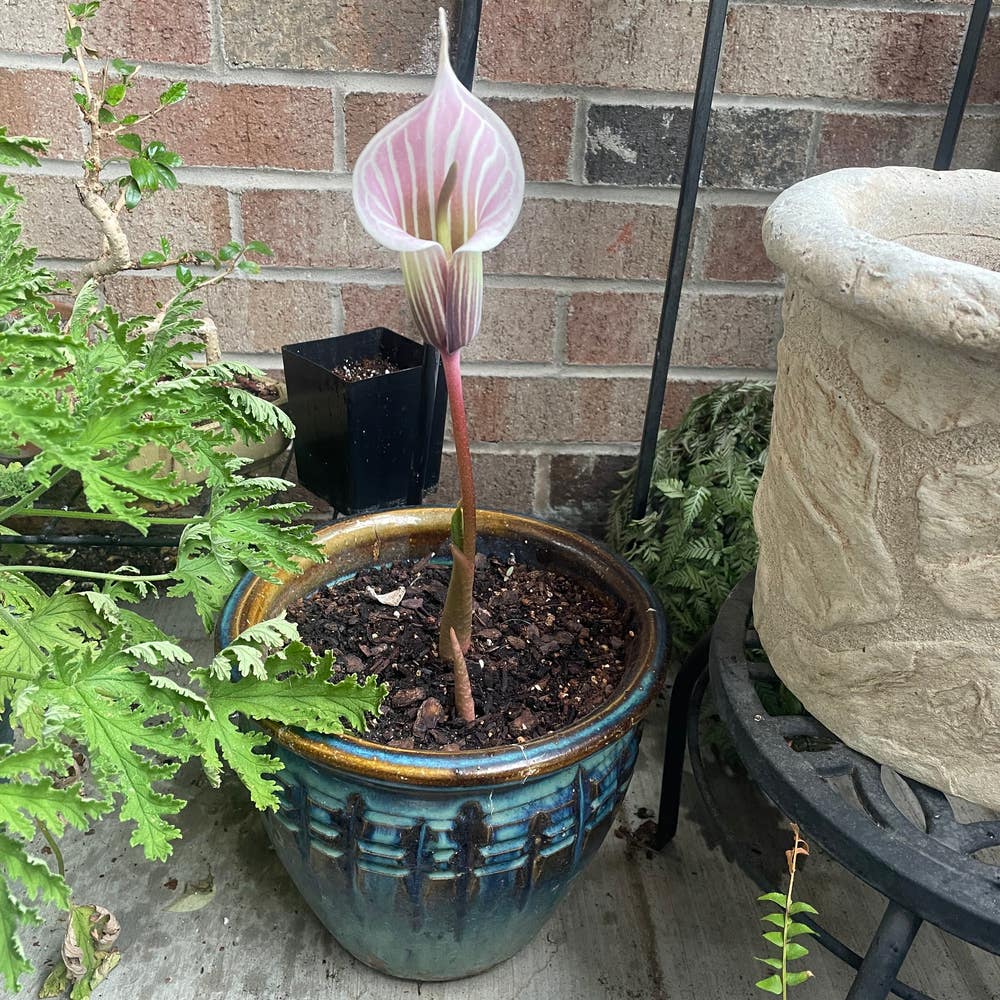
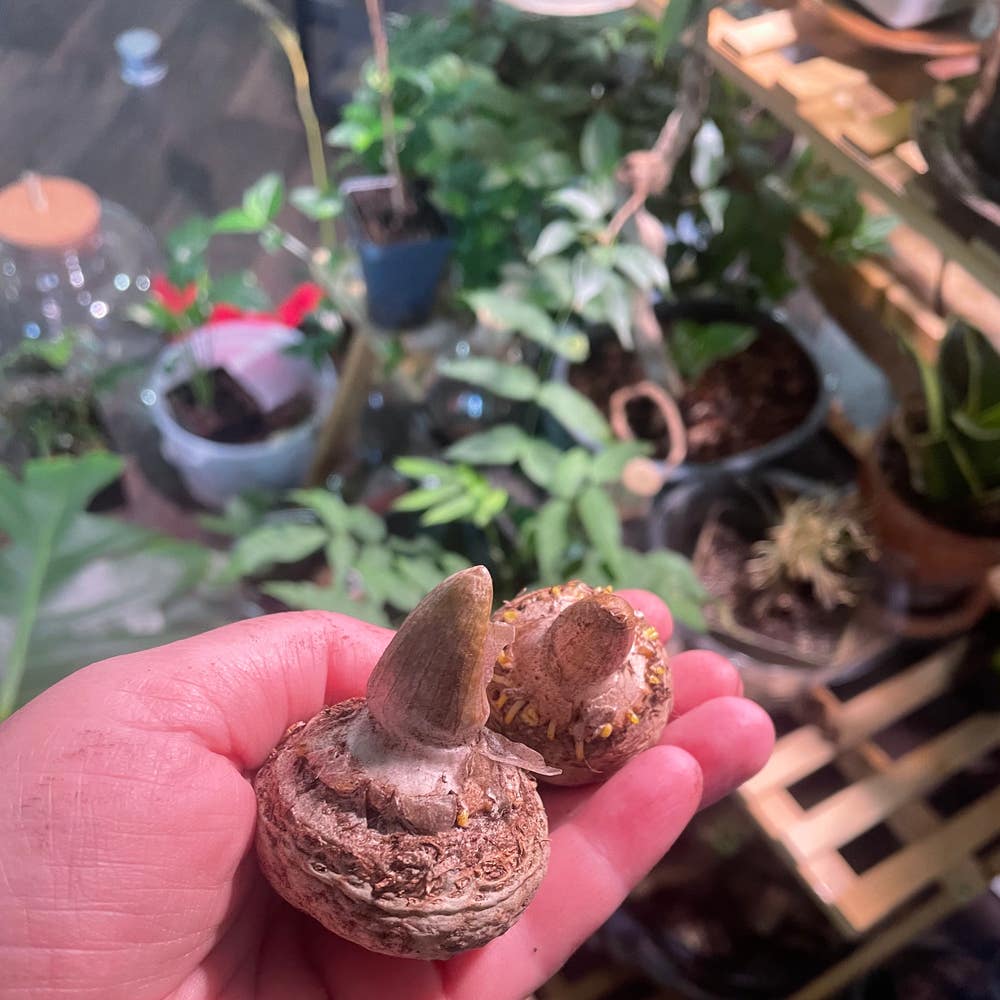
Top 3 Tips for Choosing Soil for Your Jack-in-the-Pulpit 🥄
Arisaema triphyllum
By the Greg Editorial Team
Oct 18, 2024•6 min read
This article was created with the help of AI so we can cover more plants for you. May contain errors. See one? Report it here.
Boost your Jack-in-the-Pulpit’s growth with essential soil care tips and pH mastery! 🌱
- 🌱 Healthy soil is crucial; look for mold, compaction, and drainage issues.
- 🔬 Test soil pH regularly; ideal range for Jack-in-the-Pulpit is 5.5 to 7.0.
- 🏡 Create a balanced mix with peat moss, perlite, and compost for optimal growth.
Identifying Unhealthy Soil
Signs of Unhealthy Soil 🌱
Recognizing unhealthy soil is crucial for the health of your Jack-in-the-Pulpit. One major indicator is moldy soil, which often appears as a fuzzy or discolored layer on the surface. This can signal overwatering or poor air circulation, both of which can harm plant health.
Another sign is soil compaction. If the soil feels hard and dense, it restricts root growth and limits access to nutrients and water. Look for signs like difficulty pushing a finger into the soil or a lack of air pockets.
Poor drainage is also a red flag. If you notice standing water after rain or watering, it indicates that the soil isn't absorbing moisture properly. This can lead to root rot and other issues for your plants.
Solutions for Moldy Soil 🧼
If you find moldy soil, act quickly to remedy the situation. Start with removal: carefully scoop out the affected soil and dispose of it to prevent further spread.
Next, consider treatment options. You can use fungicides to eliminate mold or natural remedies like cinnamon, which has antifungal properties.
To prevent mold from returning, implement prevention strategies. Ensure proper watering practices, allowing the soil to dry out between waterings, and improve air circulation around your plants. Regularly check for signs of mold to catch any issues early.
By identifying and addressing these soil problems, you set the stage for a thriving Jack-in-the-Pulpit. Next, let’s explore the ideal soil pH range to ensure optimal growth.
Recommended Soil pH Range
Ideal pH for Jack-in-the-Pulpit 🌱
For optimal growth, Jack-in-the-Pulpit thrives in slightly acidic to neutral soil, with a pH range of 5.5 to 7.0. This balance ensures that the plant can absorb essential nutrients effectively.
Impact of pH on Nutrient Availability 📉
Soil pH significantly influences nutrient availability. When the pH is too high or too low, certain nutrients become locked away, making them inaccessible to your plant.
Soil Testing for pH 🧪
To ensure your soil is within the ideal pH range, regular testing is essential. You can use DIY soil test kits available at garden centers or send samples to professional labs for more accurate results.
Methods for Testing Soil pH 🔍
- DIY Kits: Simple and cost-effective, these kits provide quick results.
- Professional Testing: More detailed analysis, often including nutrient levels, is available through local agricultural extensions.
Frequency of Testing 📅
Aim to test your soil at least once a year, or biannually if you're particularly dedicated. This practice helps you stay ahead of any pH-related issues that could affect your Jack-in-the-Pulpit.
Understanding and maintaining the right soil pH is crucial for your plant's health. With this knowledge, you can ensure your Jack-in-the-Pulpit has the best chance to flourish.
Next, let’s explore how to create a homemade soil mix that perfectly complements your plant's needs.
Creating a Homemade Soil Mix ((difficulty:easy))
🛠️ Step-by-Step Guide to Mixing Soil
Creating the perfect soil mix for your Jack-in-the-Pulpit is straightforward. Start by gathering essential materials: peat moss, perlite, compost, and sphagnum moss.
Next, focus on the mixing ratios. A good rule of thumb is to use 2 parts peat moss, 1 part perlite, and 1 part compost. This combination ensures a balanced mix that supports healthy plant growth.
Finally, combine the ingredients thoroughly. Use a shovel or a garden fork to mix them well, ensuring even distribution of all components.
🥗 Recommended Ingredients
Peat Moss
Peat moss is a fantastic ingredient for your soil mix. It helps retain moisture while providing a slightly acidic environment, which is ideal for Jack-in-the-Pulpit.
Perlite
Perlite plays a crucial role in improving drainage and aeration. This lightweight material prevents soil compaction, allowing roots to breathe and grow freely.
Compost
Don’t overlook compost! It adds essential organic matter, enriching the soil with nutrients that your plants need to thrive.
Creating a homemade soil mix is not just about the ingredients; it’s about setting your Jack-in-the-Pulpit up for success. With the right mix, you’ll foster a thriving environment for your plants to flourish.
Next, let’s explore soil amendments that can further enhance your soil's quality.
Soil Amendments
🌱 Types of Amendments
Sphagnum moss is a fantastic choice for enhancing moisture retention and acidity in your soil. Its lightweight structure helps keep the soil aerated while providing a slightly acidic environment that Jack-in-the-Pulpit thrives in.
Leaf mold is another excellent amendment, enriching soil structure and boosting nutrient content. This decomposed organic matter improves drainage and supports beneficial microorganisms, creating a healthy ecosystem for your plants.
Other organic amendments, such as well-rotted manure or worm castings, can also be beneficial. These options not only add nutrients but also enhance soil texture, promoting better root growth.
🛠️ How to Incorporate Amendments for Optimal Growth
Timing is crucial when adding soil amendments. The best moments are during planting or seasonal refreshes, ensuring your plants get the nutrients they need right when they need them.
For application methods, aim for even distribution. You can mix amendments into the top layer of soil or create a well-blended mix before planting. This ensures that nutrients are readily available to your Jack-in-the-Pulpit, promoting robust growth.
Incorporating these amendments thoughtfully will set the stage for thriving plants. Next, let’s explore how to maintain your soil for ongoing health and vitality.
Soil Maintenance
Regular Soil Testing for pH and Nutrients 🌱
Regular soil testing is essential for the health of your Jack-in-the-Pulpit. It helps you understand nutrient levels and pH balance, ensuring your plants thrive.
Testing methods vary from DIY kits to professional services. DIY kits are user-friendly and cost-effective, while professionals provide detailed analyses.
Aim to test your soil at least once a year or biannually. This frequency helps you catch any nutrient deficiencies or pH imbalances early.
Seasonal Considerations for Soil Care 🍂
Spring is the perfect time to refresh your soil before the growing season kicks off. Adding organic matter and nutrients can set your plants up for success.
In the fall, focus on preparing your soil for winter. This includes preventing erosion and ensuring it retains moisture during colder months.
Adjust your soil amendments based on seasonal needs. For instance, you might need to add more compost in spring and mulch in fall to protect your soil.
By staying proactive with soil maintenance, you’ll create a thriving environment for your Jack-in-the-Pulpit. Next, let’s explore how to create a homemade soil mix that perfectly suits your plant's needs.
⚠️ Safety First
This content is for general information and may contain errors, omissions, or outdated details. It is not medical, veterinary advice, or an endorsement of therapeutic claims.
Always consult a qualified healthcare professional before using any plant as food, medicine, or supplement.
Never eat any plant (or feed one to pets) without confirming its identity with at least two trusted sources.
If you suspect poisoning, call Poison Control (800) 222-1222, the Pet Poison Helpline (800) 213-6680, or your local emergency service immediately.
Spotted an error? Please report it here.
Create a thriving environment 🌿 for your Jack-in-the-Pulpit by using Greg's tailored soil care reminders and tips to keep your soil healthy and nutrient-rich!