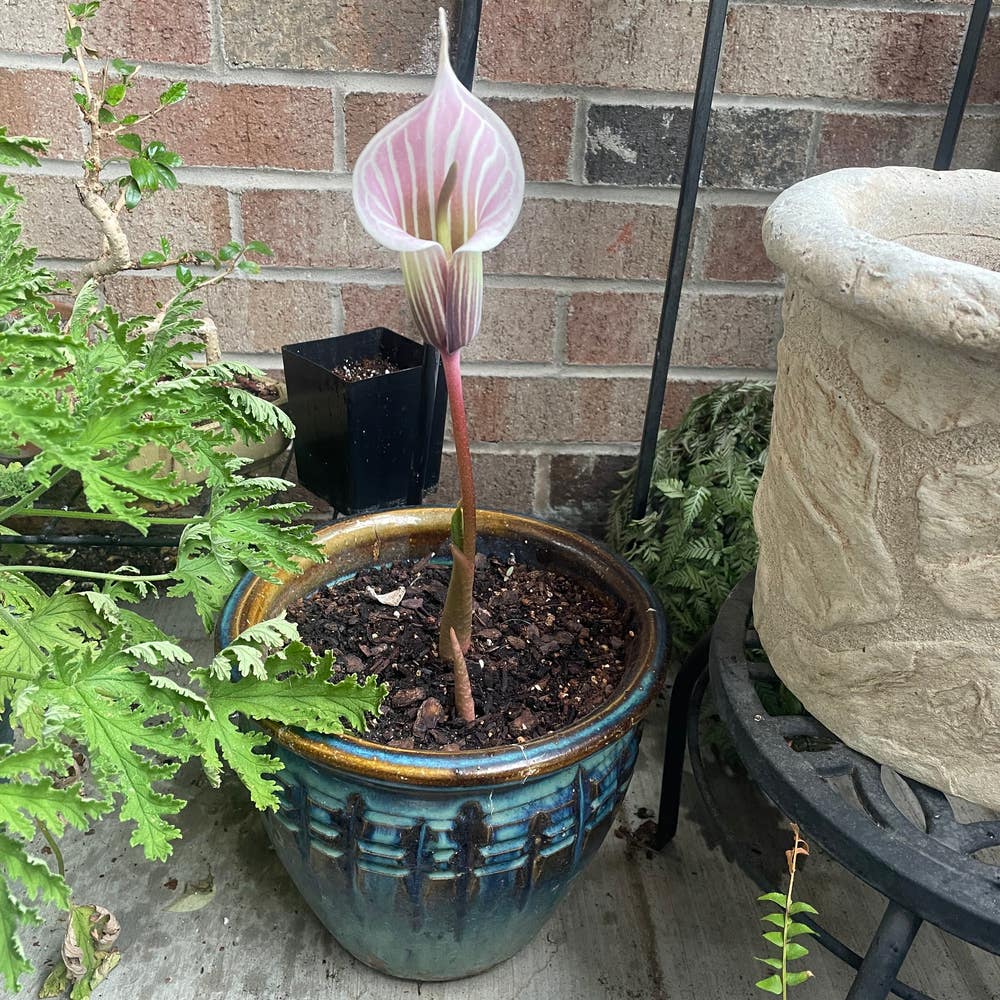
🌺 How to Fix Leaves Falling Over on Your Jack-in-the-Pulpit
Arisaema triphyllum
By the Greg Editorial Team
Oct 18, 2024•6 min read
This article was created with the help of AI so we can cover more plants for you. May contain errors. See one? Report it here.
Revive your drooping Jack-in-the-Pulpit 🌱 with expert tips to diagnose and fix common plant issues!
- 💧 Overwatering and underwatering both cause leaf droop; balance is key for health.
- 🌱 Nutrient deficiencies weaken your Jack-in-the-Pulpit; use compost for a boost.
- 🐛 Pest infestations like aphids harm leaves; regular checks can prevent damage.
Causes of Leaf Droop
💧 Overwatering and Root Rot
Overwatering is a common issue that can lead to root rot. Symptoms include yellowing leaves, mushy roots, and a foul odor emanating from the soil.
Poor drainage, excessive rainfall, or watering too frequently are typical causes. When root rot sets in, it can severely damage the plant, resulting in drooping leaves.
🌵 Underwatering and Drought Stress
On the flip side, underwatering can also cause leaf droop. Symptoms to watch for include wilting leaves, crispy edges, and dry soil.
This often results from infrequent watering or prolonged dry spells. Insufficient moisture leads to stress, causing the leaves to droop.
🥦 Nutrient Deficiencies
Nutrient deficiencies can weaken your Jack-in-the-Pulpit, making it more susceptible to drooping. Common deficiencies include nitrogen, potassium, and magnesium.
Symptoms often manifest as pale leaves, stunted growth, and leaf drop. Without these essential nutrients, the plant struggles to thrive.
🐜 Pest Infestations
Pests like aphids and spider mites can sap the strength of your plant. Look for symptoms such as discolored leaves, webbing, and visible insects.
These pests can lead to significant droop by draining the plant's vitality. Regular monitoring is essential to catch infestations early.
🌡️ Environmental Stress
Your Jack-in-the-Pulpit thrives in cool temperatures (60°F to 75°F) and high humidity. Sudden changes in temperature or humidity can cause stress, leading to symptoms like leaf curling, drooping, and browning edges.
Maintaining ideal conditions is crucial for preventing environmental stress. A sudden shock can leave your plant struggling to recover.
Understanding these causes is the first step toward remedying leaf droop. Next, we'll explore how to diagnose the specific problem affecting your plant.
Diagnosing the Problem
🌧️ Signs of Overwatering vs. Underwatering
Understanding the signs of overwatering and underwatering is crucial for your Jack-in-the-Pulpit.
- Overwatering manifests as soft, yellowing leaves and wet soil, indicating that the roots may be drowning.
- Underwatering shows up as dry, crispy leaves and hard, dry soil, signaling that your plant is parched and stressed.
🐛 Identifying Pests and Their Effects
Pests can wreak havoc on your plant's health, so regular inspections are essential.
- Look closely at the leaves for small insects or webbing, which are telltale signs of an infestation.
- Assess any damage by checking for discoloration or deformation of the leaves, as these can indicate the extent of the problem.
🌱 Assessing Soil Conditions
Soil health is a key factor in your plant's well-being.
- Conduct a simple soil moisture test by sticking your finger into the soil; if it feels soggy or bone dry, it's time to adjust your watering routine.
- Ensure that your pots have drainage holes and that the soil is well-draining to prevent root rot.
☀️ Evaluating Light Exposure
Light conditions can significantly impact your Jack-in-the-Pulpit.
- Ideally, your plant should receive partial to full shade to thrive.
- If you notice scorched leaves and drooping, it may be a sign that your plant is getting too much direct sunlight.
By diagnosing these issues early, you can take proactive steps to restore your plant's health. Next, we’ll explore effective solutions for leaf droop to help your Jack-in-the-Pulpit flourish once again.
Solutions for Leaf Droop
🌊 Adjusting Watering Practices
Establishing a consistent watering schedule is crucial for your Jack-in-the-Pulpit. Aim to water deeply but infrequently, allowing the roots to grow strong and resilient.
Using the Greg plant care app can help you stay on track with AI-powered reminders. This way, you won’t forget to check in on your plant’s hydration needs.
🌱 Soil Amendments for Nutrient Balance
To ensure your plant thrives, consider adding compost or balanced organic fertilizers. Applying these amendments in early spring and mid-summer can significantly boost nutrient levels.
🐛 Pest Control Methods
For pest control, organic options like neem oil or insecticidal soap are effective and environmentally friendly. Regularly monitor your plant for signs of pests and treat any infestations promptly to prevent further stress.
🌤️ Environmental Adjustments
If your plant is getting too much direct sunlight, consider relocating it to a shadier spot. Additionally, using shade cloths or misting can help increase humidity during dry spells, creating a more favorable environment.
These solutions can help restore your Jack-in-the-Pulpit to its vibrant self. Next, let’s explore preventive measures to keep your plant healthy and thriving.
Preventive Measures
🌊 Best Practices for Watering
Watering your Jack-in-the-Pulpit effectively is crucial. Only water when the top inch of soil feels dry to the touch, ensuring you don’t drown the roots.
Make sure your pots have adequate drainage to prevent root rot. Good drainage is your plant's best friend!
🌱 Soil Selection and Preparation
Choosing the right soil can make all the difference. Opt for rich, well-draining soil that contains organic matter to support healthy growth.
Don’t forget to test the soil pH; aim for a range of 6.0 to 7.0 for optimal nutrient absorption. This simple step can prevent many issues down the line.
🐛 Regular Monitoring for Pests
Stay proactive by conducting weekly inspections for pests and signs of stress. Early detection can save your plant from significant damage.
Consider implementing companion planting to deter pests naturally. This method not only protects your Jack-in-the-Pulpit but also enhances your garden's biodiversity.
🍂 Seasonal Care Tips
As seasons change, so should your care routine. Mulching in spring helps retain moisture, keeping your plant hydrated during warmer months.
Adjust your watering frequency based on seasonal changes. This flexibility ensures your plant thrives, regardless of the weather.
By following these preventive measures, you can create a nurturing environment for your Jack-in-the-Pulpit. Next, let’s explore post-diagnosis care to help your plant recover if it shows signs of stress.
Post-Diagnosis Care
🌱 Recovery Techniques for Stressed Plants
After diagnosing the issue, it's crucial to help your Jack-in-the-Pulpit recover. Start with gradual rehydration; slowly increase the watering frequency to avoid shocking the plant.
It's also wise to hold off on fertilizing until you see signs of recovery. This allows the plant to focus on regaining strength without the added stress of nutrient uptake.
📅 Fertilization Schedule
Timing is everything when it comes to fertilization. In early spring, apply a balanced fertilizer to give your plant a nutrient boost as it begins its growing season.
If you notice stunted growth by mid-summer, consider reapplying fertilizer. This can help rejuvenate your plant and encourage healthy leaf development.
✂️ Pruning and Maintenance After Leaf Drop
Pruning is an essential part of post-diagnosis care. Remove any dead or damaged leaves to promote new growth and improve the plant's overall appearance.
Keep a close eye on your Jack-in-the-Pulpit for any ongoing signs of stress or pest issues. Regular monitoring will help you catch problems early, ensuring your plant thrives in the long run.
With these care techniques, your Jack-in-the-Pulpit can bounce back and flourish once again. Next, let’s explore preventive measures to keep your plant healthy and vibrant.
⚠️ Safety First
This content is for general information and may contain errors, omissions, or outdated details. It is not medical, veterinary advice, or an endorsement of therapeutic claims.
Always consult a qualified healthcare professional before using any plant as food, medicine, or supplement.
Never eat any plant (or feed one to pets) without confirming its identity with at least two trusted sources.
If you suspect poisoning, call Poison Control (800) 222-1222, the Pet Poison Helpline (800) 213-6680, or your local emergency service immediately.
Spotted an error? Please report it here.
Keep your Jack-in-the-Pulpit thriving 🌿 by using Greg's tailored care reminders to master watering, pest control, and nutrient management for a happy, healthy plant!