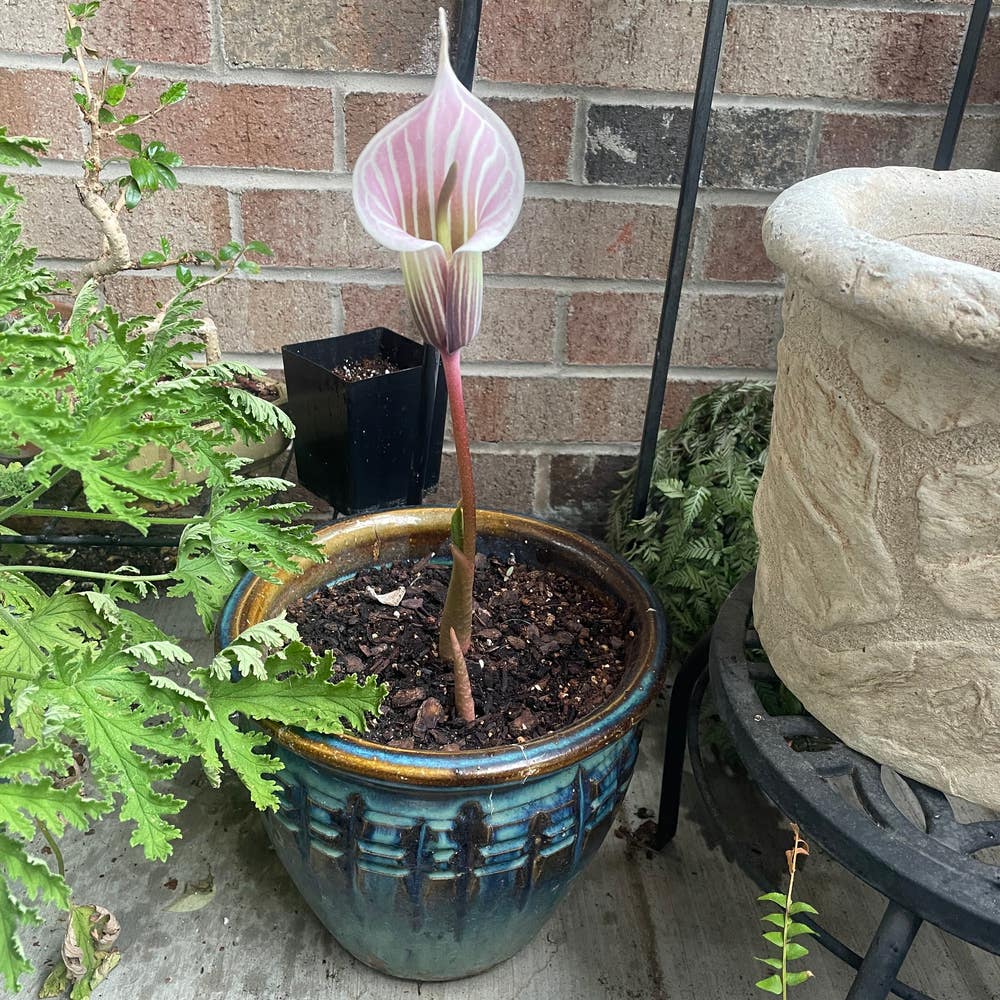
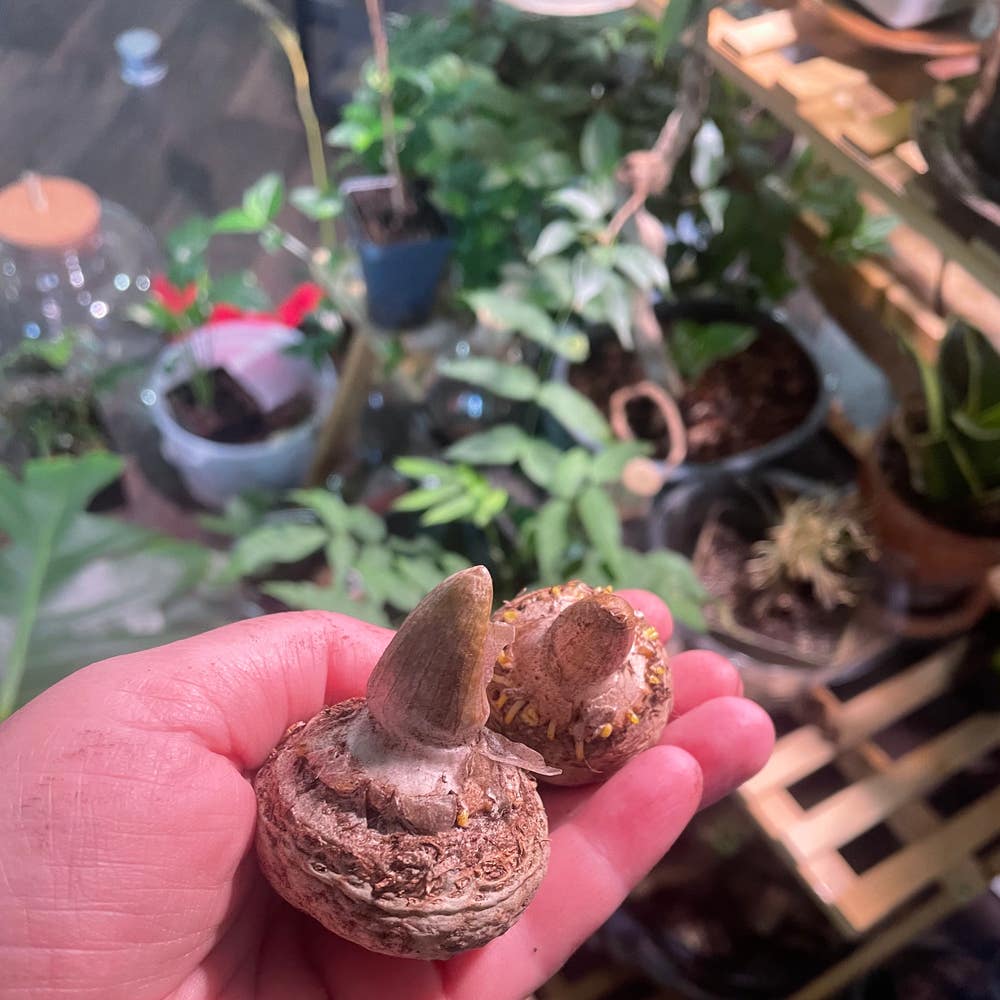
🌺 Why Your Jack-in-the-Pulpit Is Not Doing Well
Arisaema triphyllum
By the Greg Editorial Team
Oct 18, 2024•5 min read
This article was created with the help of AI so we can cover more plants for you. May contain errors. See one? Report it here.
Transform your Jack-in-the-Pulpit 🌱 into a thriving beauty by learning to spot signs of distress early!
- 🌱 Yellowing leaves indicate stress; check for nutrient deficiencies and adjust care.
- 💧 Wilting leaves suggest watering issues; ensure proper moisture and root health.
- 🌞 Insufficient light causes leggy growth; provide adequate light for healthy development.
Identifying Unhealthy Jack-in-the-Pulpit
🚨 Signs of an unhealthy plant
Recognizing when your Jack-in-the-Pulpit is struggling is crucial for its recovery. Here are some key signs to watch for:
💛 Yellowing Leaves
If you notice yellowing leaves, it often indicates stress or a nutrient deficiency. This is your plant's way of signaling that something isn't right.
💧 Wilting or Drooping
Wilting or drooping leaves suggest issues with watering or root health. It's a clear sign that your plant may need immediate attention.
🍄 Fungal Growth
Keep an eye out for fuzzy growth on leaves or stems. This fungal growth can indicate an unhealthy environment and needs to be addressed promptly.
🌱 Leaning or Leggy Growth
If your Jack-in-the-Pulpit is leaning or exhibiting leggy growth, it likely means it's not getting enough light or nutrients. This can hinder its overall health and growth.
By being vigilant about these signs, you can take proactive steps to revive your plant. Next, let’s explore common problems specific to Jack-in-the-Pulpit that might be affecting its health.
Common Problems Specific to Jack-in-the-Pulpit
💧 Incorrect Watering
Symptoms of Overwatering
Yellowing leaves and wilting can indicate overwatering, even when the soil feels wet. Additionally, squishy roots may emit a foul odor, signaling decay.
Symptoms of Underwatering
On the flip side, dry, crispy leaf edges and wilting suggest underwatering. You might also notice the soil pulling away from the pot edges.
Causes and Solutions
To combat overwatering, ensure your Jack-in-the-Pulpit is in well-drained soil and allow the top inch to dry before watering. For underwatering, water thoroughly when the top inch is dry; consider using the Greg plant care app for timely reminders.
💡 Incorrect Light Conditions
Symptoms of Insufficient Light
If your plant is experiencing leggy growth, it’s stretching for light. Yellowing leaves may also drop or become pale due to inadequate light.
Symptoms of Too Much Light
Conversely, scorched leaf edges with brown, crispy tips indicate excessive light. Leaf curling inward is another protective response to too much sun.
Causes and Solutions
To remedy insufficient light, relocate your plant to a spot with partial to full shade, avoiding direct sunlight. If light is too intense, sheer curtains can help diffuse it, or simply move the plant to a shadier area.
🌡️ Incorrect Temperature
Symptoms of Temperature Stress
Wilting or drooping leaves often signal heat stress or cold shock. Sudden temperature changes can also lead to unexpected leaf drop.
Causes and Solutions
Maintain an ideal temperature range of 60°F to 75°F (15°C to 24°C) for optimal health. Protect your plant from drafts and extreme temperature fluctuations to ensure stability.
🐛 Pests
Common Pests Affecting Jack-in-the-Pulpit
Aphids and spider mites are two common pests that can wreak havoc. Aphids are small, green insects that suck sap, while spider mites leave fine webbing and cause stippling on leaves.
Identification and Treatment
Look for clusters of aphids on new growth and treat them with insecticidal soap. For spider mites, check for webbing; increasing humidity and using miticides can help control their population.
🦠 Diseases
Fungal Issues
Fungal diseases like powdery mildew, rust, black rot, and blight can severely impact your plant. Powdery mildew appears as white spots, while rust manifests as orange or brown spots.
Symptoms and Treatment Options
To treat powdery mildew, improve air circulation and apply fungicides. For rust, remove affected leaves and use specific rust treatment fungicides. Black rot and blight require proper drainage and avoiding overhead watering.
🌱 Root Problems
Symptoms of Root Rot and Squishy Roots
If your plant wilts despite adequate watering, root health may be compromised. A foul smell from the soil often indicates decaying roots.
Causes and Solutions
To address root rot, ensure your plant is in well-draining soil and consider repotting with fresh soil if necessary. For squishy roots, trim the affected areas and allow the plant to dry out before rewatering.
🍃 Leaf Issues
Symptoms of Scorching and Yellowing
Scorched leaves show brown tips and edges, often due to excessive light or heat. Yellowing leaves can indicate nutrient deficiency or overwatering.
Causes and Solutions
To prevent scorching, move your plant to a shadier location and monitor temperature closely. For yellowing, test the soil pH and fertilize with a balanced fertilizer if needed.
🌿 Growth Problems
Symptoms of Not Growing, Not Fruiting, Leaning, Leggy, Etiolated
Stunted growth often signals nutrient deficiency or poor light conditions. Leaning may suggest insufficient light or unstable roots.
Causes and Solutions
To encourage growth, ensure your plant receives proper light, water, and nutrients. Using the Greg plant care app can help with monitoring. For leggy growth, increase light exposure and prune back to promote bushier growth.
Transitioning from identifying problems to implementing preventive measures can significantly enhance the health of your Jack-in-the-Pulpit. By understanding these common issues, you can take proactive steps to ensure your plant thrives.
Preventive Measures
Best Practices for Healthy Growth 🌱
To keep your Jack-in-the-Pulpit thriving, regularly check soil moisture levels. This simple step helps prevent root rot, ensuring your plant stays healthy and vibrant.
Providing adequate shade is crucial to prevent leaf scorching. Remember, too much sun can be just as harmful as too little!
Fertilizing during the growing season is another key practice. This ensures your plant has the nutrients it needs to flourish.
Seasonal Care Reminders 📅
As the growing season unfolds, keep an eye out for pests and diseases. Early detection can save your plant from serious damage.
Adjust your watering frequency based on seasonal rainfall and temperature changes. This adaptability will help maintain optimal moisture levels for your Jack-in-the-Pulpit.
By following these preventive measures, you can create a nurturing environment for your plant. This proactive approach not only enhances growth but also minimizes potential issues down the line.
⚠️ Safety First
This content is for general information and may contain errors, omissions, or outdated details. It is not medical, veterinary advice, or an endorsement of therapeutic claims.
Always consult a qualified healthcare professional before using any plant as food, medicine, or supplement.
Never eat any plant (or feed one to pets) without confirming its identity with at least two trusted sources.
If you suspect poisoning, call Poison Control (800) 222-1222, the Pet Poison Helpline (800) 213-6680, or your local emergency service immediately.
Spotted an error? Please report it here.
Revitalize your Jack-in-the-Pulpit with tailored care tips 🌱 from Greg, ensuring you catch nutrient deficiencies and watering issues before they become a problem!