10 Plants That Thrive Alongside Jack in the Pulpit ⛪
Arisaema triphyllum
By the Greg Editorial Team
Sep 30, 2024•5 min read
This article was created with the help of AI so we can cover more plants for you. May contain errors. See one? Report it here.
Boost your garden's biodiversity 🌱 by pairing Jack in the Pulpit with these ideal companion plants!
- 🌱 Wild Ginger and Solomon's Seal thrive in moisture-rich, shaded areas alongside Jack in the Pulpit.
- 🐝 Virginia Bluebell and Foamflower attract pollinators, enhancing biodiversity in your garden.
- 🌿 Avoid Hostas and Daylilies; they compete for moisture and sunlight with Jack in the Pulpit.
Best Companion Plants for Jack in the Pulpit
🌱 Plant 1: Wild Ginger
Wild Ginger is a charming low-growing perennial known for its heart-shaped leaves. It thrives in moist, well-drained soil and prefers partial to full shade, making it an ideal companion for Jack in the Pulpit.
This plant enhances soil moisture retention, ensuring that both species flourish together. Its lush foliage beautifully complements the unique appearance of Jack in the Pulpit.
🌼 Plant 2: Solomon's Seal
Solomon's Seal features arching stems adorned with bell-shaped flowers. It thrives in rich, moist soil and partial shade, sharing similar moisture needs with Jack in the Pulpit.
This plant not only supports the moisture balance but also attracts beneficial pollinators, enhancing the overall health of your garden.
🌸 Plant 3: Foamflower
Foamflower is a delightful ground cover with delicate white flowers. It prefers moist, well-drained soil and partial shade, making it a perfect match for Jack in the Pulpit.
By providing ground cover, Foamflower reduces weed competition and enhances garden diversity, creating a vibrant ecosystem.
🌿 Plant 4: Bloodroot
Bloodroot is an early spring bloomer, showcasing white flowers and distinctive leaves. It grows well in rich, moist soil and partial shade, aligning perfectly with the needs of Jack in the Pulpit.
This plant adds seasonal interest to your garden while supporting local pollinators, making it a valuable companion.
🔵 Plant 5: Virginia Bluebell
Virginia Bluebell is a perennial that boasts beautiful bell-shaped blue flowers. It thrives in moist, well-drained soil and partial shade, complementing Jack in the Pulpit beautifully.
Not only does it attract pollinators, but its foliage also provides a stunning contrast to the unique shape of Jack in the Pulpit.
🌳 Plant 6: Ostrich Fern
Ostrich Fern features tall, feathery fronds that create a lush backdrop. It thrives in moist, shaded areas, making it a great addition alongside Jack in the Pulpit.
This fern provides height and texture, enhancing moisture retention in the soil, which benefits all nearby plants.
🌼 Plant 7: Trillium
Trillium is known for its distinctive three-petaled flowers and whorled leaves. It prefers rich, well-drained soil and partial shade, aligning well with the needs of Jack in the Pulpit.
This plant adds visual interest to your garden while supporting local wildlife and pollinators, creating a thriving ecosystem.
🌱 Plant 8: Jack-in-the-Pulpit
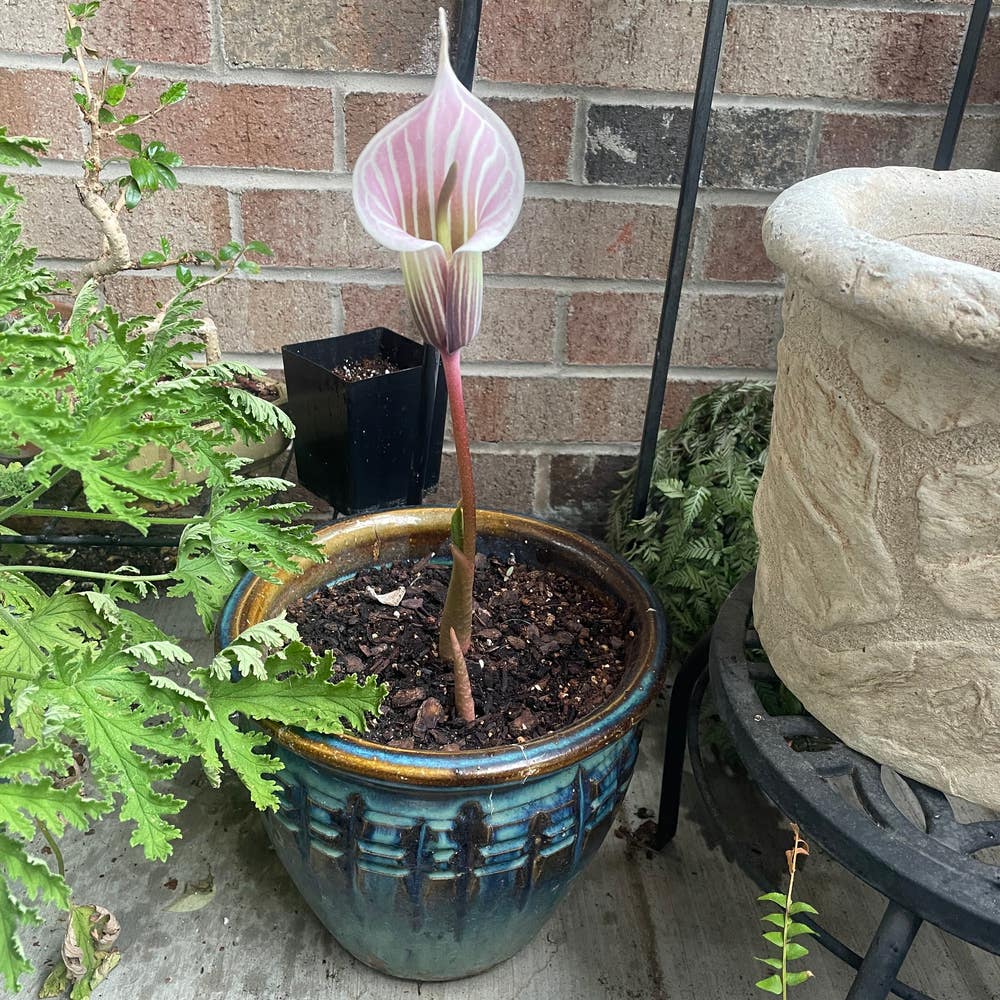
Jack-in-the-Pulpit itself is a unique plant with a hooded flower structure and striking foliage. It requires moist, rich soil and partial to full shade, making it a self-companion.
By planting more Jack-in-the-Pulpit, you enhance biodiversity and support local ecosystems, creating a harmonious garden environment.
🍃 Plant 9: Mayapple
Mayapple features umbrella-like leaves and white flowers. It prefers moist, well-drained soil and partial shade, making it a suitable companion for Jack in the Pulpit.
This plant provides excellent ground cover, and its foliage contrasts beautifully with Jack in the Pulpit, adding visual appeal to your garden.
🌼 Plant 10: Sweet Woodruff
Sweet Woodruff is a low-growing perennial with whorled leaves and white flowers. It thrives in moist, shaded areas, making it an excellent choice alongside Jack in the Pulpit.
This plant acts as a ground cover, and its pleasant fragrance can deter pests, contributing to a healthier garden environment.
These companion plants not only thrive alongside Jack in the Pulpit but also enhance the overall beauty and biodiversity of your garden. Next, let’s explore which plants to avoid near Jack in the Pulpit to ensure a thriving ecosystem.
Plants to Avoid Near Jack in the Pulpit
🌿 Hostas
Hostas are popular garden plants, but they can be problematic near Jack in the Pulpit. Their extensive root systems compete for moisture and nutrients, which can hinder the growth of your beloved Jack.
🌼 Daylilies
Daylilies might seem like a good choice, but their aggressive growth can overshadow Jack in the Pulpit. This not only disrupts the delicate moisture balance but also limits sunlight, which Jack needs to thrive.
🍃 Certain Ferns
While ferns add beauty to any garden, some varieties may not thrive in the same moisture conditions as Jack in the Pulpit. This can lead to competition for resources, potentially causing Jack to decline.
Choosing the right companions is crucial for a thriving garden. By avoiding these plants, you can create a more harmonious environment for Jack in the Pulpit and its companions. Next, let’s explore the ecological benefits of companion planting and how it can enhance your garden's biodiversity.
Ecological Benefits of Companion Planting
🌱 Enhancing biodiversity in the garden
Companion planting fosters a rich tapestry of plant life, which supports a wider range of wildlife. By incorporating diverse species, you create habitats that attract various insects, birds, and other creatures, enriching your garden's ecosystem.
These varied plantings not only provide food and shelter but also promote a balanced environment. When plants coexist harmoniously, they can help each other thrive, leading to a more resilient garden.
🐝 Attracting beneficial insects and pollinators
Certain companion plants are particularly effective at attracting beneficial insects and pollinators. For instance, plants like Virginia Bluebell and Foamflower draw in bees and butterflies, which are essential for pollination.
These relationships are vital for the overall health of your garden. Pollinators not only enhance fruit and seed production but also contribute to the stability of local ecosystems, making your garden a thriving hub of life.
Incorporating companion plants is a simple yet impactful way to boost biodiversity and support essential wildlife. As you cultivate your garden, remember that every plant plays a role in this intricate web of life.
⚠️ Safety First
This content is for general information and may contain errors, omissions, or outdated details. It is not medical, veterinary advice, or an endorsement of therapeutic claims.
Always consult a qualified healthcare professional before using any plant as food, medicine, or supplement.
Never eat any plant (or feed one to pets) without confirming its identity with at least two trusted sources.
If you suspect poisoning, call Poison Control (800) 222-1222, the Pet Poison Helpline (800) 213-6680, or your local emergency service immediately.
Spotted an error? Please report it here.
Boost your garden's biodiversity by planting companions like Wild Ginger and Solomon's Seal alongside Jack in the Pulpit, and let Greg guide you with tailored care tips to ensure your plants thrive together! 🌱