🎭 Jack in the Pulpit Is a Perennial
Arisaema triphyllum
By the Greg Editorial Team
Sep 30, 2024•6 min read
This article was created with the help of AI so we can cover more plants for you. May contain errors. See one? Report it here.
Unlock the secret to effortless gardening with Jack in the Pulpit 🌱, a perennial that thrives year after year!
- 🌱 Jack in the Pulpit is a resilient perennial, thriving for years with minimal care.
- 🌼 Unique flowering structure attracts pollinators, enhancing garden biodiversity.
- 🌳 Adaptable to various soils and climates, making it a versatile gardening choice.
Characteristics of Jack in the Pulpit as a Perennial
🌱 Multi-Year Lifecycle
Jack in the Pulpit boasts a fascinating multi-year lifecycle that includes germination, growth, flowering, and dormancy. Unlike annual plants that complete their life cycle in one year, or biennials that take two, this perennial thrives over multiple seasons.
During germination, seeds sprout in the spring, leading to lush growth. As the season progresses, the plant flowers, showcasing its unique structure before entering dormancy in the winter months. This cyclical nature allows Jack in the Pulpit to establish itself and flourish year after year.
🌼 Growth Patterns
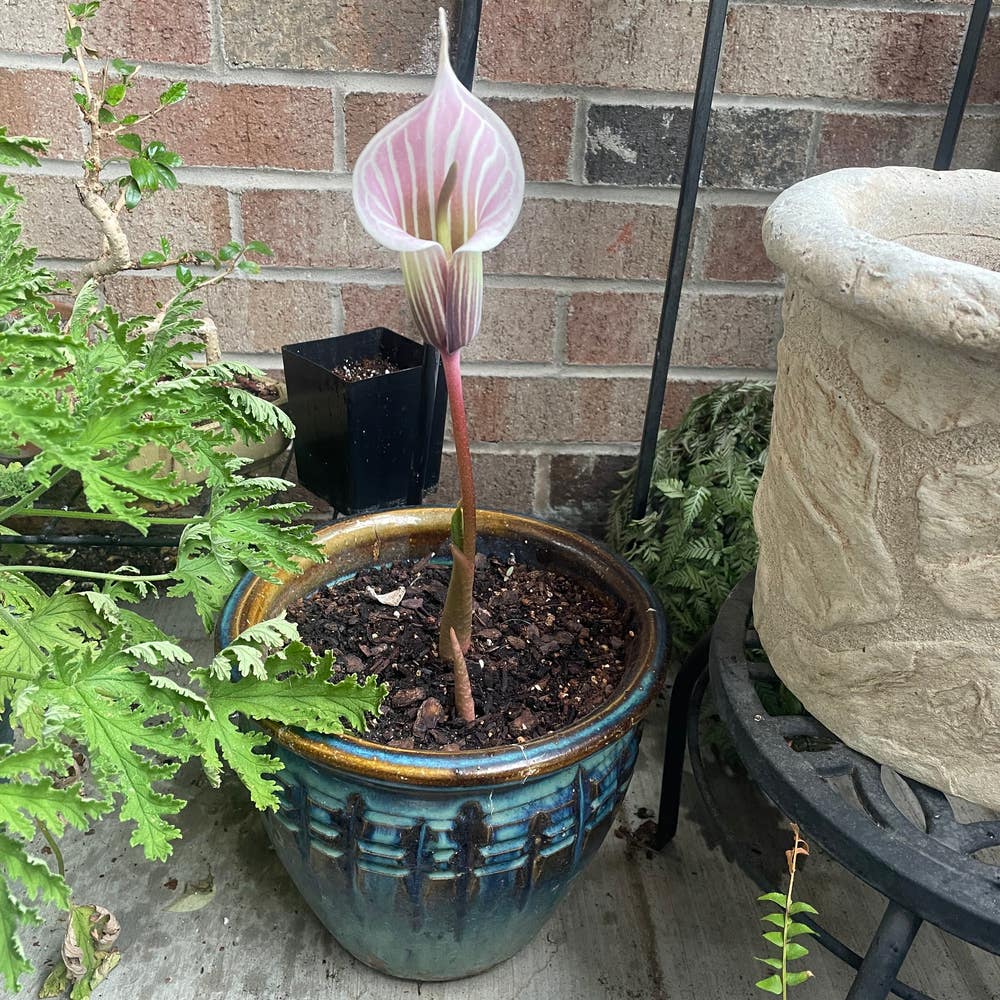
One of the standout features of Jack in the Pulpit is its unique flowering structure, characterized by a hood-like spathe and a central spadix. This eye-catching design not only attracts pollinators but also sets it apart from other plants.
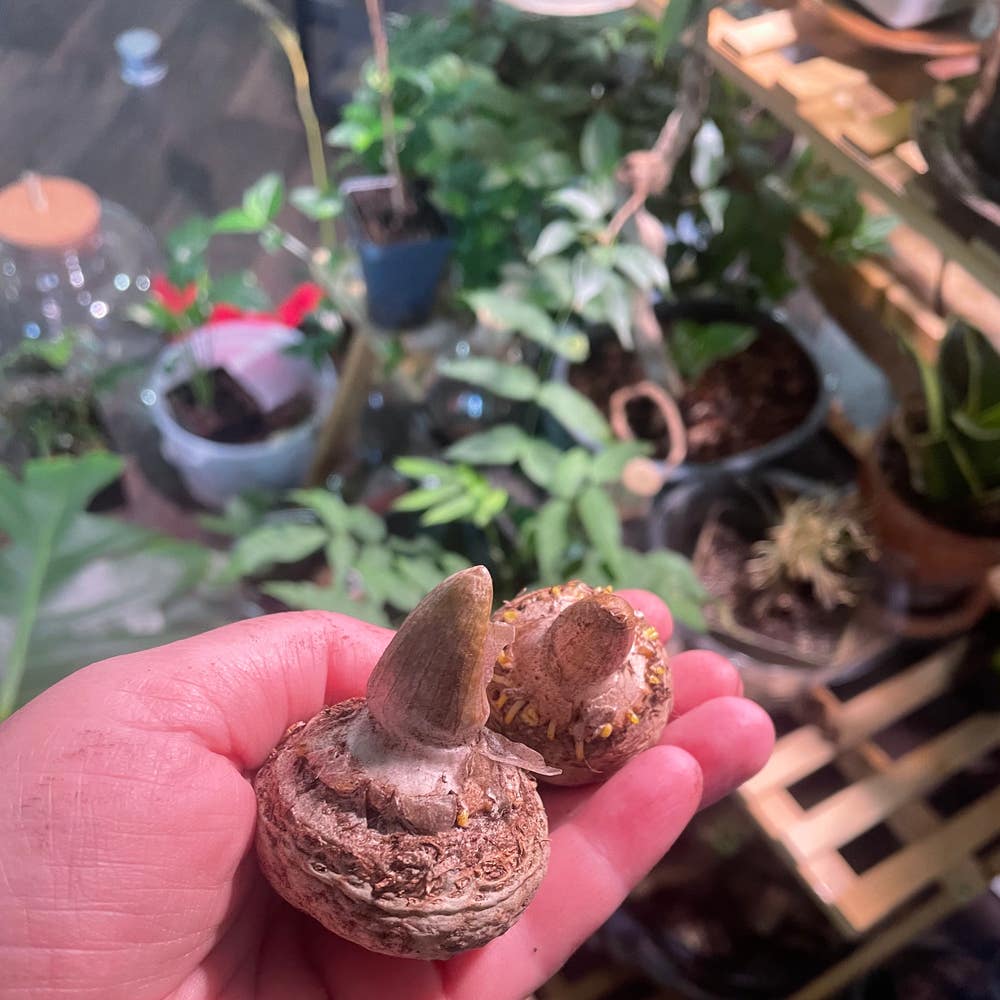
The plant's robust root system enables it to regrow each year, ensuring a reliable presence in your garden. Additionally, Jack in the Pulpit demonstrates remarkable resilience, adapting well to various soil types, though it thrives best in rich, well-drained soil. This adaptability makes it a fantastic choice for gardeners looking to cultivate a perennial that can withstand different conditions.
In summary, understanding the lifecycle and growth patterns of Jack in the Pulpit enhances its appeal as a perennial. This knowledge sets the stage for exploring its seasonal changes and dormancy next.
Seasonal Changes and Dormancy
Dormancy Periods 🌙
During the winter months, Jack in the Pulpit enters a dormancy period. This is marked by the foliage dying back, allowing the plant to conserve energy until spring.
As temperatures rise, new growth emerges, signaling the end of dormancy. This cycle is crucial for the plant's health and longevity.
Seasonal Changes Affecting Growth 🌼
Seasonal changes significantly impact the flowering cycles of Jack in the Pulpit. The timing of flowering is closely linked to environmental conditions, such as temperature and moisture levels.
In spring, warmer weather and increased sunlight trigger the plant to bloom. Understanding these seasonal dynamics can help gardeners anticipate and appreciate the beauty of this perennial.
With this knowledge, you can better plan for the vibrant displays that Jack in the Pulpit offers throughout the growing season. Next, we’ll explore the advantages of its perennial nature and how it benefits gardeners.
Advantages of Perennial Nature
🌱 Benefits for Gardeners
One of the standout advantages of Jack in the Pulpit as a perennial is its reduced replanting efforts. Once established, these plants return year after year, saving you time and energy.
This longevity translates into cost-effectiveness over time. Instead of purchasing new plants each season, you can invest in nurturing your existing ones, leading to a more sustainable gardening practice.
🌳 Established Root Systems
Jack in the Pulpit boasts a robust root system that offers significant benefits. These deep roots provide excellent access to nutrients and water, ensuring the plant thrives even in less-than-ideal conditions.
Moreover, this established root system enhances resilience against environmental stressors. Whether it's drought or heavy rainfall, a well-rooted Jack in the Pulpit can weather the storm, making it a reliable choice for any garden.
With these advantages in mind, gardeners can appreciate the unique qualities of Jack in the Pulpit. As we explore its lifespan and longevity factors next, we'll uncover what contributes to its enduring presence in the garden.
Lifespan and Longevity Factors
Expected Lifespan 🌱
Jack in the Pulpit typically enjoys a long lifespan, often living for several years, sometimes even decades. This longevity sets it apart from many annual plants, which complete their life cycle in just one season.
When compared to other perennials, Jack in the Pulpit holds its own, often outlasting many of its garden companions. Its ability to thrive over time makes it a valuable addition to any perennial garden.
Factors Influencing Longevity 🌍
Climate conditions play a significant role in the lifespan of Jack in the Pulpit. In regions with harsh winters or extreme heat, its longevity may be compromised, while milder climates can support a longer life.
Soil quality is equally crucial. Rich, well-drained soil enhances its growth and resilience. Regular care practices, such as proper watering and mulching, can further promote its longevity, ensuring that this perennial continues to flourish in your garden for years to come.
Understanding these factors can help you create the ideal environment for Jack in the Pulpit, maximizing its lifespan and beauty in your landscape.
Variations Across Climate Zones
🌍 Perennial Behavior in Different Climates
Jack in the Pulpit showcases remarkable adaptability across various climate zones. In cooler regions, it may bloom later in the spring, while warmer areas can see earlier flowering.
This variability in growth patterns is influenced by local temperatures and seasonal changes. For instance, in temperate climates, the plant thrives with consistent moisture, while in drier regions, it may exhibit slower growth and delayed flowering.
🌱 Adaptations to Growing Conditions
One of the standout features of Jack in the Pulpit is its tolerance to diverse soil types and moisture levels. Whether in rich, loamy soils or more challenging sandy substrates, this perennial finds a way to flourish.
To cultivate Jack in the Pulpit successfully, consider these strategies:
- Soil Preparation: Ensure well-drained, nutrient-rich soil for optimal growth.
- Moisture Management: Regularly monitor moisture levels, especially in drier climates.
- Mulching: Use mulch to retain soil moisture and regulate temperature.
By understanding these adaptations, gardeners can create thriving environments for Jack in the Pulpit, regardless of their climate zone. This knowledge not only enhances growth but also enriches the overall garden experience.
As we explore the advantages of Jack in the Pulpit's perennial nature, let's delve into the benefits it offers for gardeners.
Maximizing Benefits in Garden Planning
🌱 Tips for Long-Term Cultivation
To ensure your Jack in the Pulpit thrives, start with well-drained, rich soil. Regularly monitor soil health and moisture levels, as these factors are crucial for robust growth.
Planting in the right location is key. Aim for partial to full shade, mimicking its natural woodland habitat, which helps maintain moisture and temperature.
🌳 Strategies for Garden Integration
Companion planting can enhance your garden's biodiversity. Consider pairing Jack in the Pulpit with other woodland plants like ferns and hostas, which share similar light and moisture needs.
Design shaded areas in your garden to accommodate this plant's preferences. Creating a diverse ecosystem not only benefits Jack in the Pulpit but also enriches the overall garden environment.
By following these tips and strategies, you can maximize the benefits of Jack in the Pulpit in your garden. This perennial not only adds beauty but also contributes to a sustainable gardening practice.
⚠️ Safety First
This content is for general information and may contain errors, omissions, or outdated details. It is not medical, veterinary advice, or an endorsement of therapeutic claims.
Always consult a qualified healthcare professional before using any plant as food, medicine, or supplement.
Never eat any plant (or feed one to pets) without confirming its identity with at least two trusted sources.
If you suspect poisoning, call Poison Control (800) 222-1222, the Pet Poison Helpline (800) 213-6680, or your local emergency service immediately.
Spotted an error? Please report it here.
Ensure your Jack in the Pulpit thrives for years to come with Greg's custom care reminders 🌿 that help you create the perfect environment for this resilient perennial!