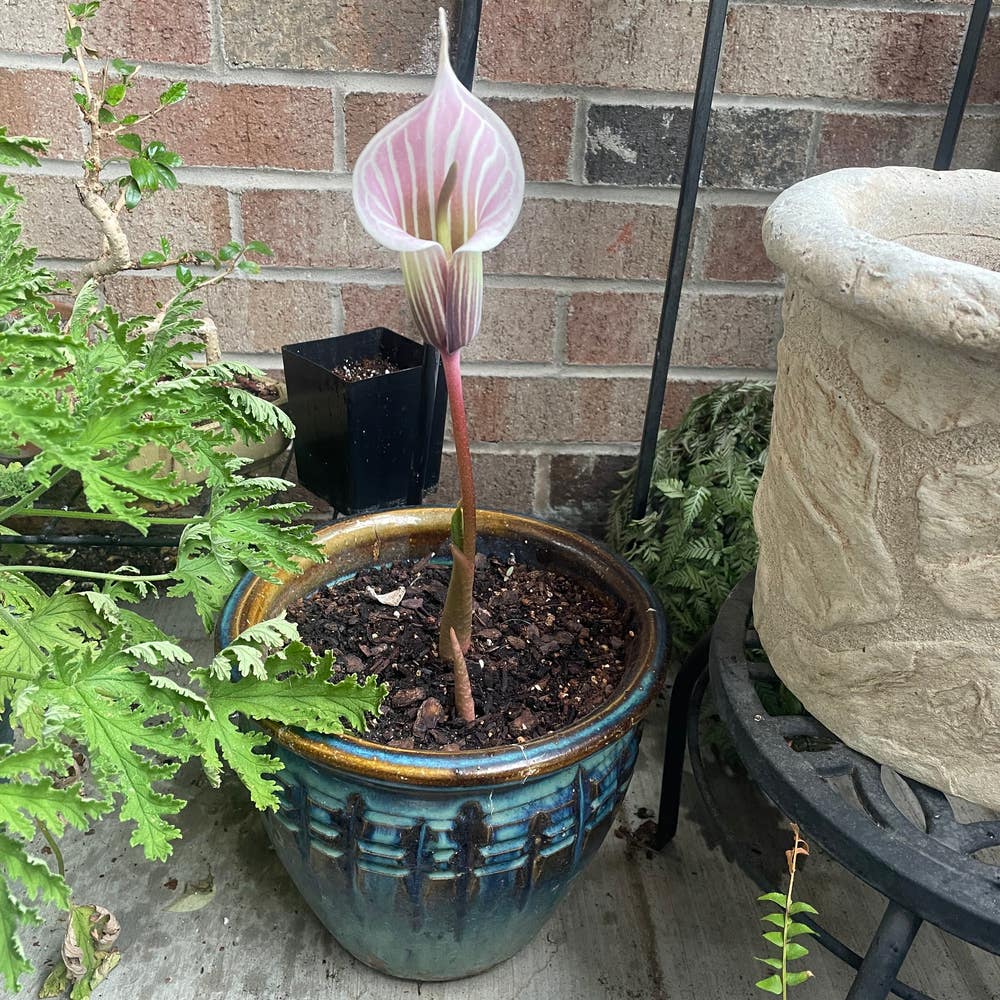
🌱 Jack in the Pulpit Hardiness Zones Ultimate Guide: 4a-9b
Arisaema triphyllum
By the Greg Editorial Team
Sep 30, 2024•5 min read
This article was created with the help of AI so we can cover more plants for you. May contain errors. See one? Report it here.
Master Jack in the Pulpit’s temperature needs 🌱 to ensure it thrives in your garden's unique conditions!
- 🌡️ Jack in the Pulpit thrives in zones 4a-9b, tolerating temperatures from 0°F to 90°F.
- 🌱 Optimal growth occurs between 60°F to 75°F, with cooler nights preferred.
- 💧 Rich, moist soils and shaded areas are crucial for healthy growth and humidity.
Temperature Tolerance
❄️ Cold Tolerance Specifics
Jack in the Pulpit can tolerate minimum temperatures down to about 0°F (-18°C). This remarkable resilience stems from its adaptations, such as a robust root system that stores energy and moisture, allowing it to survive harsh winters.
Frost can significantly impact its growth and development. Understanding the timing of the first and last frosts in your area is crucial for ensuring the plant's survival and optimal growth.
☀️ Heat Tolerance Specifics
On the flip side, Jack in the Pulpit can handle maximum temperatures around 90°F (32°C). However, prolonged exposure to heat can stress the plant, leading to wilting or stunted growth.
To manage heat stress, consider providing shade or increasing moisture levels. These strategies can help maintain a healthy environment for your plant during warmer months.
🌡️ Temperature Ranges for Optimal Growth
For optimal growth, Jack in the Pulpit thrives in a temperature range of 60°F to 75°F (15°C to 24°C) during the day. Nighttime temperatures should ideally remain cooler, around 50°F to 60°F (10°C to 15°C), to support healthy development.
Seasonal temperature variations can influence growth patterns. Consistent temperature stability is essential for successful flowering and fruiting, ensuring that the plant can reach its full potential.
Understanding these temperature tolerances will help you create the best environment for your Jack in the Pulpit, setting the stage for its thriving growth. Next, let’s explore the ideal growing regions for this unique plant.
Ideal Growing Regions
Examples of US States in Suitable Hardiness Zones (4a-9b) 🌍
Jack in the Pulpit thrives in several states across the U.S. Here’s a quick list of states where you can find suitable hardiness zones:
- New York: Particularly in the northern and central regions.
- Pennsylvania: Ideal in the Appalachian areas.
- Ohio: Found in the eastern parts.
- Virginia: Thrives in the western mountainous regions.
- North Carolina: Optimal in the higher elevations.
These states provide the right conditions, but specific regions within them, like shaded woodlands and moist valleys, are particularly beneficial for this unique plant.
Factors Contributing to Ideal Growing Conditions 🌱
Jack in the Pulpit prefers rich, well-drained, and moist soils. This combination ensures that the plant receives the nutrients it needs while preventing root rot.
Moisture levels are crucial. In its native habitats, Jack in the Pulpit often grows in shaded areas, which help maintain humidity.
Ecological factors also play a role. The presence of nearby water sources and a diverse plant community can enhance the growth of Jack in the Pulpit, creating a thriving ecosystem.
Understanding these conditions can help you replicate them in your garden, ensuring your Jack in the Pulpit flourishes.
As we explore the next section, we'll delve into how microclimates can further influence the growing potential of this fascinating plant.
Microclimates and Their Impact
🌍 Definition and Importance of Microclimates
Microclimates are localized areas where the climate differs from the surrounding region. Factors such as elevation, proximity to water, and vegetation can create these unique environments, significantly impacting plant growth.
Understanding microclimates is crucial for gardeners and horticulturists. They can provide insights into how to optimize conditions for plants like Jack in the Pulpit.
🌱 How Microclimates Can Extend Growing Range
Microclimates can enable Jack in the Pulpit to thrive beyond its typical hardiness zones. For instance, a shaded area near a water source may maintain cooler temperatures, allowing the plant to flourish even in warmer climates.
Localized weather patterns, such as wind protection or humidity variations, play a vital role in plant survival. These factors can create a more favorable environment for growth, making it essential to consider microclimates when planning your garden.
🌊 Examples of Beneficial Microclimates
Several specific microclimates can benefit Jack in the Pulpit. Shaded valleys often retain moisture and provide cooler temperatures, ideal for this plant's growth.
Similarly, areas near streams or ponds can create a humid environment that supports healthy development. These microclimates not only enhance growth but also contribute to the overall biodiversity of the area.
Understanding and utilizing microclimates can significantly improve your chances of successfully cultivating Jack in the Pulpit. As we explore further, we'll look into state-level suitability analysis to see where these plants can thrive best.
State-Level Suitability Analysis
List of States Within Hardiness Zones 4a-9b 🌳
Jack in the Pulpit thrives in several states across the U.S. Here’s a quick rundown of the suitable states:
- New York: Rich, moist woodlands provide ideal conditions.
- Pennsylvania: Shaded areas with well-drained soil support robust growth.
- Ohio: Varied elevations create diverse microclimates.
- Virginia: Humid conditions and rich soil enhance plant health.
- North Carolina: Favorable temperatures and moisture levels promote flourishing populations.
These states offer a mix of environments that cater to the plant's needs, ensuring it can thrive.
States Where Jack in the Pulpit Is Not Suitable and Reasons Why 🚫
Not every state is a friend to Jack in the Pulpit. Here’s a list of states where it struggles to survive:
- Florida: Extreme heat and humidity can overwhelm the plant.
- Texas: Prolonged drought conditions hinder growth.
- Arizona: High temperatures and arid climates are unsuitable.
- California: While some regions may work, many areas face water scarcity.
These environmental factors—like extreme heat and lack of moisture—create challenges that Jack in the Pulpit simply can’t overcome.
Discussion of Environmental Factors Affecting Suitability 🌍
Climate change is reshaping hardiness zones, affecting where Jack in the Pulpit can grow. As temperatures rise, suitable regions may shift, pushing the plant into new territories.
Ongoing monitoring of local conditions is crucial. Understanding these changes helps gardeners adapt and ensure successful cultivation. By staying informed, you can better support this unique plant in a changing climate.
With this knowledge, you can confidently explore the best practices for growing Jack in the Pulpit, ensuring its survival and thriving in your garden.
⚠️ Safety First
This content is for general information and may contain errors, omissions, or outdated details. It is not medical, veterinary advice, or an endorsement of therapeutic claims.
Always consult a qualified healthcare professional before using any plant as food, medicine, or supplement.
Never eat any plant (or feed one to pets) without confirming its identity with at least two trusted sources.
If you suspect poisoning, call Poison Control (800) 222-1222, the Pet Poison Helpline (800) 213-6680, or your local emergency service immediately.
Spotted an error? Please report it here.
Unlock the secrets to thriving Jack in the Pulpit 🌿 by using Greg's tailored care reminders and environmental insights to create the perfect growing conditions for your plant!