🎩 Step-by-Step Guide to Propagating Jack-in-the-Pulpit
Arisaema triphyllum
By the Greg Editorial Team
Oct 18, 2024•5 min read
This article was created with the help of AI so we can cover more plants for you. May contain errors. See one? Report it here.
Unlock the secrets of Jack-in-the-Pulpit propagation 🌱 and transform your garden into a lush paradise! 🌼
- 🌱 Collect Jack-in-the-Pulpit seeds in late summer for optimal ripeness.
- 💧 Soak seeds for 24 hours before planting to boost germination rates.
- 🌿 Divide plants in early spring or fall for healthy growth and propagation.
Seed Propagation
🌱 Collecting Seeds
Timing is crucial when collecting Jack-in-the-Pulpit seeds. Aim for late summer to early fall, when the berries are ripe and ready for harvest.
To collect, gently twist and pull the berries from the spadix. After gathering, clean the seeds and store them in a cool, dry place until you're ready to plant.
💧 Preparing Seeds for Planting
Soaking seeds is an easy yet effective step to enhance germination. Simply soak them in water for 24 hours before planting.
Next, cold stratify the seeds for 30 to 60 days. This mimics natural conditions and prepares them for successful germination.
🌍 Ideal Planting Conditions
For optimal growth, choose well-draining soil rich in organic matter. This will provide the nutrients your seeds need.
Plant the seeds about 1/2 inch deep in prepared soil, spacing them 12 to 18 inches apart. This spacing allows for healthy growth and airflow.
🌱 Germination Process
Under optimal conditions, expect germination to take about 2 to 3 months.
Maintain soil temperatures between 60°F to 70°F (15°C to 21°C) for the best results. Additionally, provide indirect light, as direct sunlight can hinder germination.
With these steps, you're well on your way to successfully propagating Jack-in-the-Pulpit seeds. Next, let’s explore the division propagation method for this fascinating plant.
Division Propagation
🌱 Identifying the Right Time for Division
The best time to divide Jack-in-the-Pulpit is during early spring or fall when the plants are dormant. Look for signs like crowded growth or reduced flowering; these indicate it's time to give your plants some space.
🛠️ Tools Needed for Division
To successfully divide your plants, gather a few essential tools: a sharp spade, a garden fork, and pruning shears. Don't forget to wear gloves to protect your hands from any potential toxicity.
📋 Step-by-Step Division Process
- Water the plant thoroughly a day before you plan to divide it.
- Carefully dig around the base to expose the root system.
- Gently lift the plant and shake off any excess soil.
- Use your spade or fork to divide the rhizome into sections, ensuring each piece has roots.
🌍 Replanting Divided Sections
When replanting, make sure to place the divided sections at the same depth as the original plant. Space them 12-18 inches apart to allow for optimal growth and airflow. After replanting, water thoroughly to help settle the soil around the roots.
With these steps, you're well on your way to successfully propagating Jack-in-the-Pulpit through division. Next, let’s explore rhizome propagation, another effective method for expanding your garden.
Rhizome Propagation
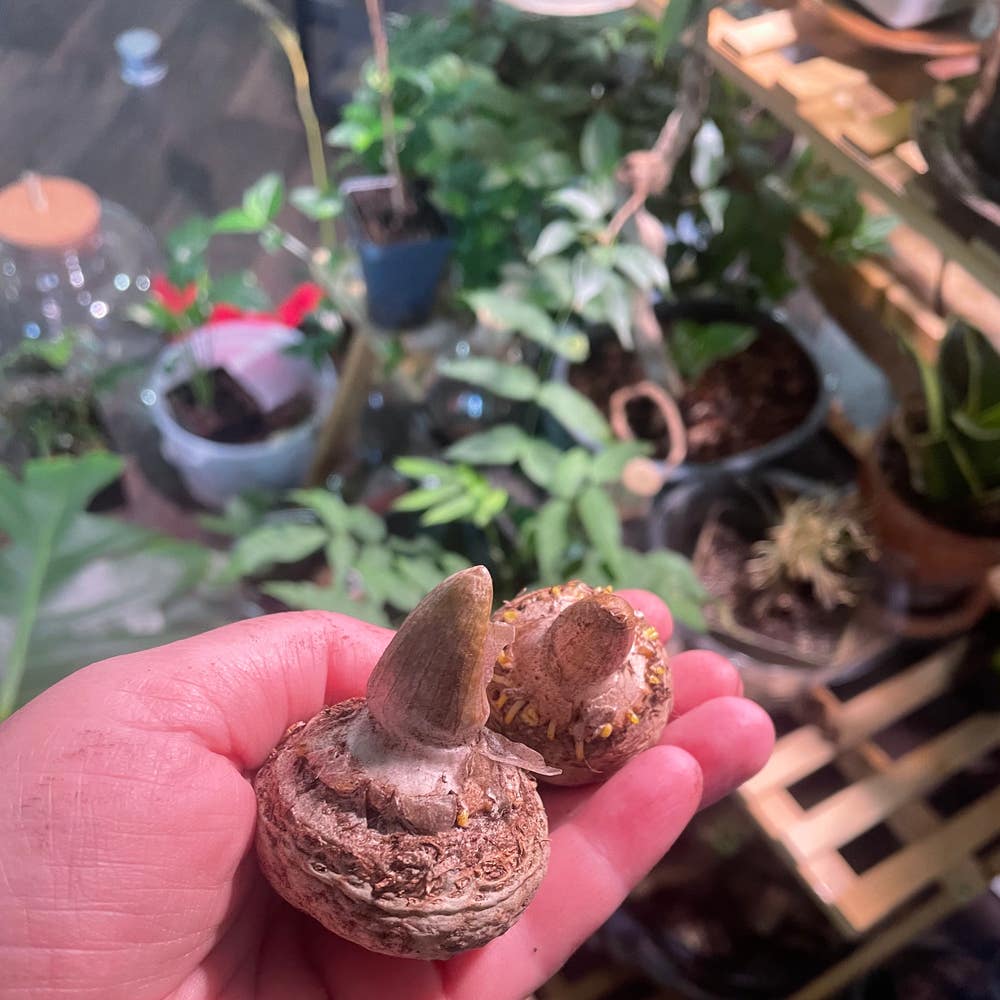
🌱 Harvesting Rhizomes
Harvesting rhizomes is best done in late fall or early spring when the plant is dormant. This timing minimizes stress on the plant and ensures you get the healthiest rhizomes.
To harvest, carefully dig up the rhizomes without damaging them. Use a spade or garden fork to gently loosen the soil around the roots, ensuring you preserve as much of the rhizome as possible.
🧼 Preparing Rhizomes for Planting
Once harvested, it's time to prepare your rhizomes for planting. Start by cleaning them; remove any excess soil and inspect for damaged sections.
Next, cut the rhizomes into sections, ensuring each piece has at least one growing bud. This will help maximize your chances of successful propagation.
📏 Planting Depth and Spacing
When planting your prepared rhizomes, aim for a depth of 2-3 inches in well-draining soil. This depth allows for adequate moisture retention while preventing rot.
Spacing is crucial for healthy growth. Plant your rhizomes 12-18 inches apart to ensure they have enough room to thrive and receive proper airflow.
With these steps, you're well on your way to successfully propagating Jack-in-the-Pulpit through rhizomes. Next, let’s explore common challenges you might face during propagation and how to tackle them effectively.
Common Challenges in Propagation
🐛 Pests and Diseases Affecting Propagation
Pests can be a real headache when propagating Jack-in-the-Pulpit. Slugs and snails are the usual suspects, often leaving behind chewed leaves as evidence of their munching spree.
Root rot is another challenge, typically caused by overwatering. To prevent this, ensure proper drainage in your planting area.
🌱 Troubleshooting Germination Issues
If you're facing low germination rates, it’s time to reassess your stratification and soil conditions. Make sure you’ve followed the necessary steps for preparing your seeds.
Mold growth can also be a concern. To combat this, ensure adequate air circulation and avoid overwatering your seeds.
🌡️ Addressing Environmental Stress Factors
Temperature fluctuations can stress your plants. Using mulch can help stabilize soil temperature, creating a more consistent environment for growth.
Moisture stress is another factor to keep an eye on. Regularly monitor soil moisture levels, especially during dry spells, to keep your plants thriving.
With these challenges in mind, you'll be better equipped to navigate the propagation process. Next, let's explore the best seasonal timing for propagation to maximize your success.
Seasonal Timing for Propagation
🌱 Best Seasons for Seed Collection
The ideal time for collecting Jack-in-the-Pulpit seeds is late summer to early fall. This timing ensures that the seeds are fully mature and ready for harvesting.
Collect seeds on dry days to minimize the risk of mold during storage. This simple step can significantly enhance your chances of successful germination later on.
🍂 Optimal Times for Division and Rhizome Planting
For division propagation, early spring or fall is the best choice when the plants are dormant. Look for signs like crowded growth or reduced flowering to determine when it's time to divide.
When it comes to planting rhizomes, aim for late fall or early spring. These seasons provide the best conditions for establishing healthy new plants.
Understanding these seasonal timings can make a significant difference in your propagation success. With the right timing, you can enjoy a thriving garden filled with Jack-in-the-Pulpit plants.
Next, let’s explore the common challenges you might face during propagation and how to tackle them effectively.
⚠️ Safety First
This content is for general information and may contain errors, omissions, or outdated details. It is not medical, veterinary advice, or an endorsement of therapeutic claims.
Always consult a qualified healthcare professional before using any plant as food, medicine, or supplement.
Never eat any plant (or feed one to pets) without confirming its identity with at least two trusted sources.
If you suspect poisoning, call Poison Control (800) 222-1222, the Pet Poison Helpline (800) 213-6680, or your local emergency service immediately.
Spotted an error? Please report it here.
Master the art of propagating Jack-in-the-Pulpit 🌿 with Greg's tailored reminders and expert tips that ensure your plants thrive every step of the way!