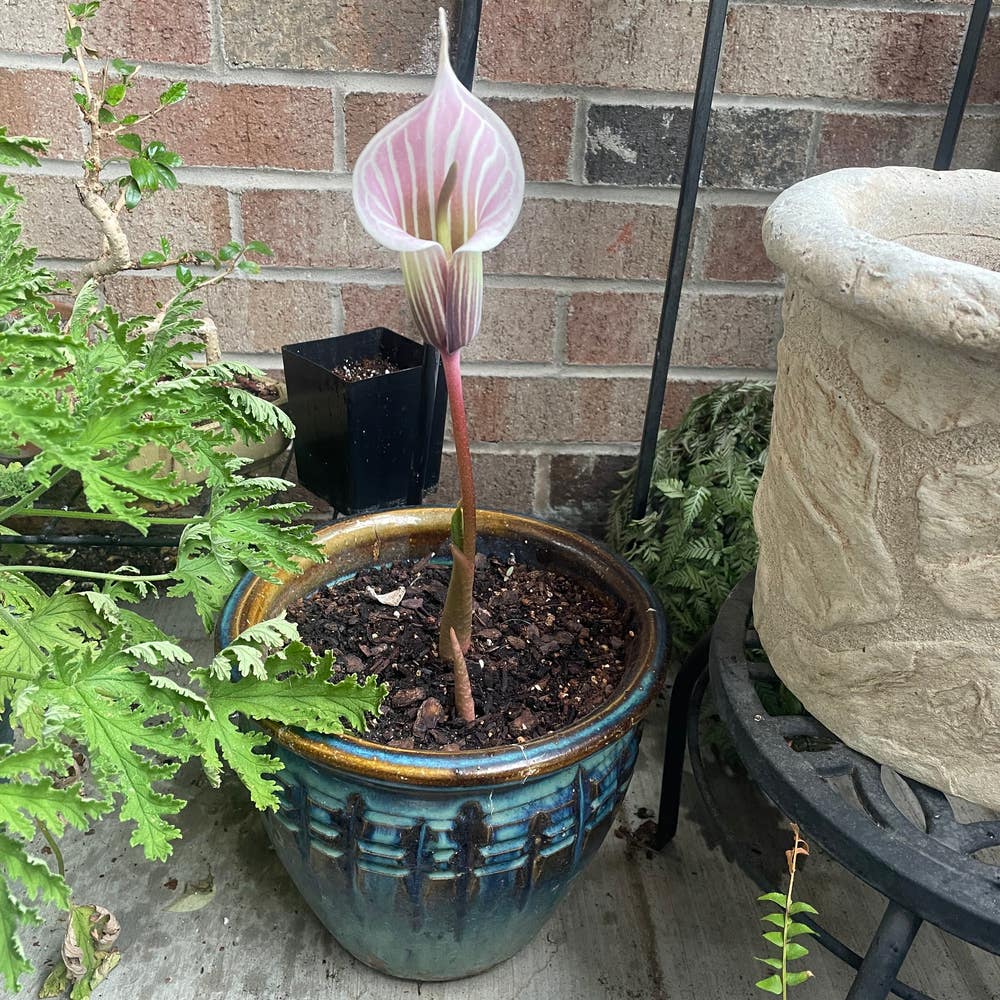
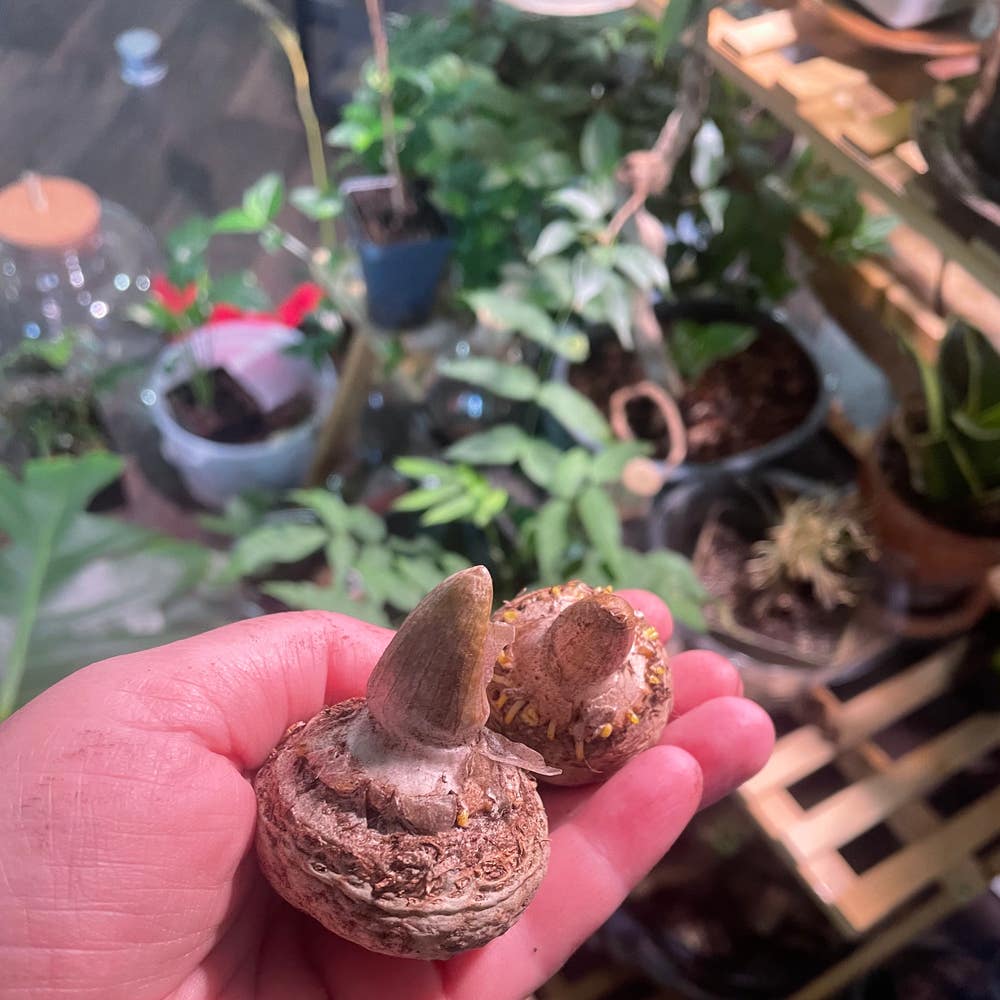
🍄 How to Grow Jack-in-the-Pulpit Outdoors
Arisaema triphyllum
By the Greg Editorial Team
Oct 18, 2024•6 min read
This article was created with the help of AI so we can cover more plants for you. May contain errors. See one? Report it here.
Transform your Jack-in-the-Pulpit into a thriving beauty with these essential care tips for every season! 🌱
- 🌳 Jack-in-the-Pulpit thrives in partial to full shade; ideal for shaded gardens.
- 💧 Consistent moisture is key; water weekly but avoid waterlogging.
- 🌱 Rich, well-drained soil with pH 5.5-7.0 is essential for healthy growth.
Outdoor Care Requirements
Sunlight Needs and Ideal Placement 🌳
Jack-in-the-Pulpit thrives in partial to full shade. Ideal spots include areas under trees or in shaded garden beds, where they can flourish without direct sunlight.
If your plants show stunted growth or produce fewer flowers, they might not be getting enough light. Adjusting their location can make a significant difference.
Watering Requirements and Frequency 💧
These plants need consistent moisture but should never be waterlogged. During dry spells, aim to water them weekly, adjusting based on rainfall.
Watch for signs of overwatering, like yellowing leaves or root rot. These indicators can help you fine-tune your watering routine.
Soil Preferences and Amendments 🌱
Jack-in-the-Pulpit prefers rich, well-drained soil with high organic matter. A slightly acidic to neutral pH (between 5.5 and 7.0) is ideal for optimal growth.
To enhance soil quality, consider adding compost or leaf mold. These amendments can significantly improve nutrient availability and drainage.
Fertilization Tips and Schedules 🌼
Fertilize your plants in early spring and mid-summer to support their growth. A balanced organic fertilizer, like 10-10-10, works well for this purpose.
When applying fertilizer, lightly mix it into the top layer of soil around the plant. This method ensures that nutrients are readily available for uptake.
By following these outdoor care requirements, you'll set your Jack-in-the-Pulpit up for success. Next, let’s explore the various planting options available for these unique plants.
Planting Options
🌱 Benefits of Container Planting
Container planting offers remarkable flexibility. You can easily move pots to find the perfect balance of sunlight and protection.
This method also allows for better control over soil quality and moisture levels. It's especially beneficial for those with limited garden space or urban settings.
⚠️ Drawbacks of Container Planting
However, container planting does come with its challenges. Limited root space can restrict growth and flowering potential.
Additionally, containers tend to dry out faster, requiring more frequent watering. Temperature fluctuations can also affect root health, making it crucial to monitor conditions closely.
🌳 Benefits of Ground Planting
On the flip side, ground planting provides a more natural growth environment. Plants have ample space for root expansion, which can lead to healthier growth.
Ground planting also enhances moisture retention in the soil. This method offers better stability and resilience against varying weather conditions.
🚧 Drawbacks of Ground Planting
Yet, ground planting isn't without its downsides. You have less control over soil quality and pest management, which can pose risks.
Once planted, relocating your Jack-in-the-Pulpit can be difficult. Additionally, ground plants are more vulnerable to extreme weather conditions, requiring careful consideration of your local climate.
In summary, both container and ground planting have unique advantages and challenges. Choosing the right option depends on your specific gardening goals and environmental conditions.
Protection from Environmental Factors
🌦️ Weather Protection Strategies
Protecting your Jack-in-the-Pulpit from harsh weather is crucial for its health. Start with mulching; organic mulch helps retain moisture and keeps soil temperatures stable.
During extreme weather, consider using temporary coverings like frost cloths or shade cloths. These can shield your plants from unexpected temperature drops or intense sun.
Additionally, establish windbreaks by planting shrubs or using barriers. This will help shield your plants from strong winds, ensuring they remain upright and healthy.
🐛 Pest Management and Common Outdoor Pests
Pests can be a real nuisance for your Jack-in-the-Pulpit. Common culprits include slugs, snails, and aphids.
Look for signs of infestation, such as holes in leaves or sticky residue on the plant. These indicators can help you catch problems early.
To manage pests, try handpicking them off your plants. You can also use organic pesticides or introduce beneficial insects that prey on these pests, creating a natural balance in your garden.
🦠 Disease Prevention and Common Diseases
Keeping your plants disease-free is essential for their longevity. Common diseases affecting Jack-in-the-Pulpit include root rot and leaf spot.
To prevent these issues, ensure proper drainage and avoid overcrowding your plants. This will help maintain airflow and reduce moisture buildup.
Watch for signs of disease, such as wilting, discoloration, or unusual growth patterns. Early detection is key to keeping your plants thriving.
With these protective measures in place, your Jack-in-the-Pulpit will be better equipped to face environmental challenges. Next, let's explore the seasonal care needed to keep your plants flourishing throughout the year.
Seasonal Care
Spring Care and Preparation 🌱
Spring is the time to rejuvenate your Jack-in-the-Pulpit. Start by cleaning the area around the plant; remove any debris and dead leaves to promote healthy growth.
Next, fertilize with a balanced fertilizer as new growth appears. This will give your plant the nutrients it needs to thrive.
Summer Maintenance ☀️
During the summer, regular watering is crucial. Keep the soil consistently moist, especially during dry spells, to support your plant's growth.
Don't forget to monitor for pests weekly. Look for signs of infestation and take action if necessary.
Pruning is also essential in summer. Remove any dead or damaged leaves to improve airflow and overall plant health.
Fall Preparation for Winter 🍂
As fall approaches, it's time to prepare your Jack-in-the-Pulpit for winter. Start by applying a thick layer of mulch around the base to protect the roots from frost.
Cutting back dead foliage is another important step. This helps prevent disease buildup and keeps your garden looking tidy.
Finally, enrich the soil by adding compost. This will set the stage for a robust growing season next year.
Winter Care and Protection ❄️
In winter, insulation is key. Use mulch or straw to insulate the root zone, keeping it safe from harsh temperatures.
Minimize foot traffic around the plant to avoid damaging the roots. This simple step can make a significant difference in your plant's health.
Lastly, keep an eye out for signs of thawing and refreezing. These conditions can harm the roots, so monitoring is essential.
With these seasonal care tips, your Jack-in-the-Pulpit will be well-equipped to thrive throughout the year. Next, let’s explore how climate zones can impact your plant’s growth and care.
Climate Zone Considerations
Best Climate Zones 🌍
Jack-in-the-Pulpit thrives in USDA zones 4-9. These zones provide the moderate temperatures that this plant prefers, steering clear of extreme heat.
Special Considerations for Different Climates ☔️
In northern climates, it's crucial to ensure adequate winter protection and maintain moisture levels. This helps the plant survive the colder months.
For southern climates, providing afternoon shade is essential, along with consistent watering to keep the plant hydrated.
In humid environments, keep an eye out for fungal diseases. Adjusting airflow around the plants can help mitigate these risks.
Understanding these climate considerations will set you up for success in growing Jack-in-the-Pulpit. Next, let’s explore how to protect your plants from environmental factors.
⚠️ Safety First
This content is for general information and may contain errors, omissions, or outdated details. It is not medical, veterinary advice, or an endorsement of therapeutic claims.
Always consult a qualified healthcare professional before using any plant as food, medicine, or supplement.
Never eat any plant (or feed one to pets) without confirming its identity with at least two trusted sources.
If you suspect poisoning, call Poison Control (800) 222-1222, the Pet Poison Helpline (800) 213-6680, or your local emergency service immediately.
Spotted an error? Please report it here.
Transform your garden with thriving Jack-in-the-Pulpit 🌱 by using Greg for personalized watering reminders and expert tips tailored to your unique growing conditions!