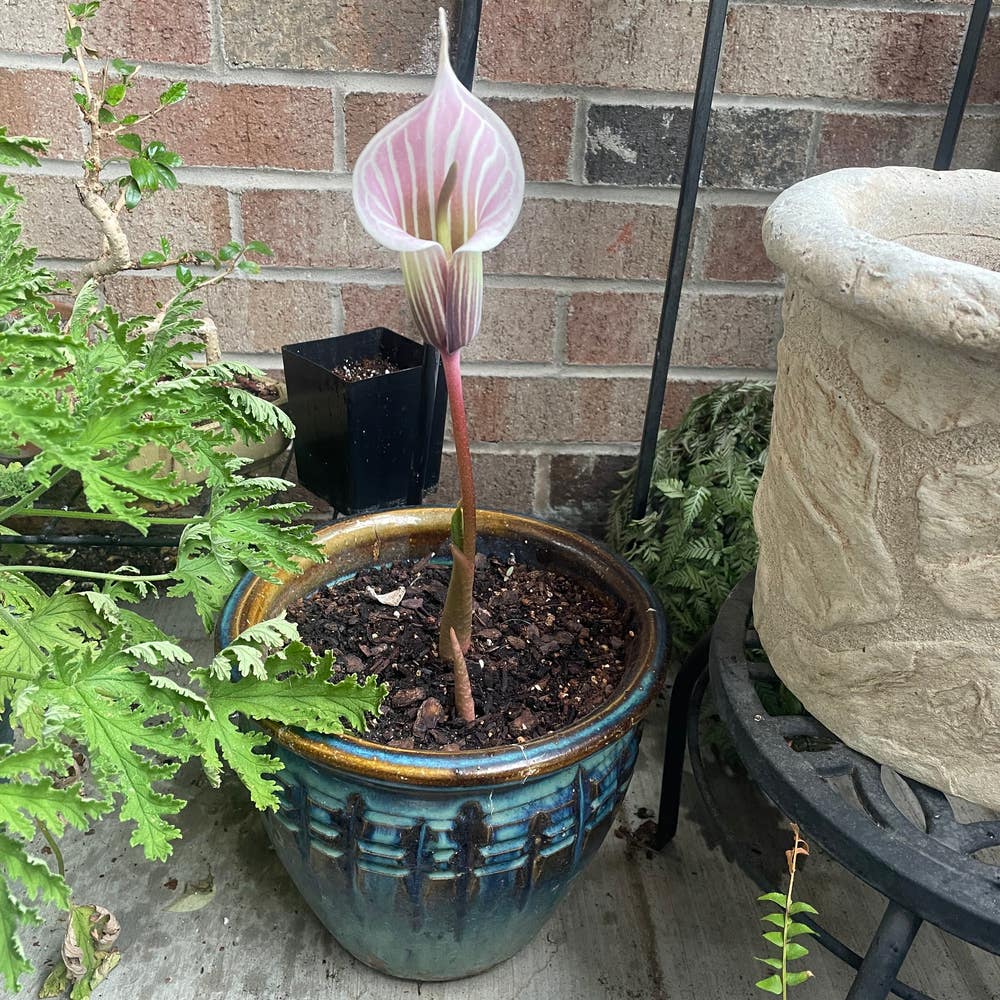
🔍 How to Fix Brown Spots on Your Jack-in-the-Pulpit
Arisaema triphyllum
By the Greg Editorial Team
Oct 18, 2024•6 min read
This article was created with the help of AI so we can cover more plants for you. May contain errors. See one? Report it here.
Revive your Jack-in-the-Pulpit 🌱 by uncovering the secrets to diagnosing and treating pesky brown spots!
- 🌱 Brown spots arise from stress, pests, or nutrient deficiencies; diagnose carefully.
- 💧 Consistent soil moisture prevents drought and overwatering issues; establish a routine.
- 🦠 Fungal infections need early treatment; use organic fungicides every 7-14 days.
Causes of Brown Spots
🌍 Environmental Stress Factors
Drought Conditions
Drought can wreak havoc on your Jack-in-the-Pulpit, leading to symptoms like leaf curling, wilting, and those pesky brown spots. To combat this, establish a regular watering schedule to keep the soil consistently moist.
Overwatering
On the flip side, overwatering can cause yellowing leaves, root rot, and brown spots as well. Ensure your plant has proper drainage and adjust your watering frequency to prevent waterlogged soil.
🥦 Nutrient Deficiencies
Nitrogen Deficiency
A lack of nitrogen often results in general yellowing and brown spots on older leaves. To remedy this, use a balanced fertilizer that promotes healthy growth and replenishes nutrients.
Potassium Deficiency
Marginal browning of leaves accompanied by brown spots can indicate potassium deficiency. Applying potassium-rich fertilizers or soil amendments can help restore balance and vitality to your plant.
🍄 Fungal Infections
Common Leaf Spot Diseases
Fungal infections can manifest as dark brown or black spots with yellow halos around them. Identifying these issues early is crucial; applying organic fungicides can effectively manage and treat these infections.
🐞 Pest Infestations
Aphids
Aphids can leave a sticky residue, curl leaves, and create brown spots on your plant. Combat these pests with insecticidal soap or neem oil for effective control.
Spider Mites
Spider mites often create fine webbing and stippled leaves, leading to brown spots. Increasing humidity and applying miticides as needed can help keep these pests at bay.
Understanding these causes is essential for maintaining the health of your Jack-in-the-Pulpit. With the right knowledge, you can tackle brown spots effectively and keep your plant thriving. Next, let’s dive into how to diagnose these brown spots accurately.
Diagnosing Brown Spots
Identifying Symptoms 🌟
When diagnosing brown spots on your Jack-in-the-Pulpit, start by examining the size, color, and pattern of the spots. Small, dark spots typically indicate a fungal infection, while large, irregular spots may suggest environmental stress or nutrient deficiencies.
Differentiating Between Fungal and Environmental Causes 🔍
Understanding the characteristics of the spots can help you differentiate between fungal and environmental issues. Fungal spots often have defined edges and can spread rapidly, whereas environmental spots tend to appear sporadically and often correlate with your watering practices.
Assessing Plant Health and Growth Conditions 🌱
Next, assess the overall health of your plant. Check soil moisture levels to ensure they are appropriate, and evaluate sunlight exposure, adjusting as necessary to optimize growth.
Inspect for pests and evaluate the plant's vigor. A healthy plant is more resilient, so keeping an eye on these factors can help you catch issues early.
By carefully diagnosing the cause of brown spots, you can take targeted action to restore your Jack-in-the-Pulpit to its vibrant self. With this foundation, you can now explore effective treatment options to address the identified issues.
Treatment Options
Organic Fungicides for Fungal Infections 🌱
If your Jack-in-the-Pulpit is suffering from fungal infections, organic fungicides can be a game changer. Recommended products include neem oil and copper-based fungicides, which should be applied every 7-14 days until you see improvement.
Adjusting Watering Practices 💧
Watering practices play a crucial role in plant health. Establish a consistent watering schedule and monitor soil moisture levels to avoid both drought and overwatering.
Fertilization Strategies 🌿
Fertilization is key during the growing season. Use a balanced fertilizer to support robust growth and consider applying slow-release fertilizers to maintain nutrient levels over time.
Pest Control Methods 🐛
Pest control is essential for keeping your plant healthy. For insecticidal soap, apply it every 1-2 weeks during pest outbreaks. Neem oil can also be effective; spray it on affected areas, especially the undersides of leaves where pests often hide.
By implementing these treatment options, you can effectively combat brown spots and promote a thriving Jack-in-the-Pulpit. Next, let’s explore preventive measures to keep your plant healthy year-round.
Preventive Measures
Proper Watering Techniques 🌊
To keep your Jack-in-the-Pulpit thriving, ensure the soil drains well. This prevents root rot, which can be detrimental to your plant's health.
Using mulch is another effective strategy. It helps retain moisture while preventing waterlogging, creating a balanced environment for growth.
Soil Amendments for Nutrient Balance 🌱
Incorporating compost or organic matter into your soil enriches its nutrient content. This simple step can significantly boost your plant's vitality.
Regularly testing soil pH and nutrient levels is crucial. It allows you to make informed adjustments, ensuring your Jack-in-the-Pulpit gets what it needs.
Sunlight and Shade Requirements ☀️
Position your plant in partial to full shade for optimal growth. This protects it from the harsh rays of direct sunlight, which can lead to leaf scorch.
Avoiding direct sunlight exposure is essential. It helps maintain the plant's health and prevents unsightly brown spots.
Regular Plant Inspections 🔍
Schedule bi-weekly checks to catch any potential issues early. This proactive approach can save your plant from more significant problems down the line.
During these inspections, look for signs of pests, diseases, and environmental stress. Early detection is key to keeping your Jack-in-the-Pulpit healthy and vibrant.
By implementing these preventive measures, you can create a thriving environment for your Jack-in-the-Pulpit. Next, let’s explore seasonal considerations to further enhance your plant care routine.
Seasonal Considerations
🌱 Spring Care Tips
Spring is a crucial time for your Jack-in-the-Pulpit. Monitor for new growth and adjust your watering accordingly to support this rejuvenation.
Fertilizing with a balanced fertilizer can give your plant the nutrients it needs to thrive during this active growth period.
☀️ Summer Monitoring
As temperatures rise, keep an eye out for signs of heat stress. Adjust your watering frequency to ensure your plant remains hydrated.
If the heat becomes extreme, providing shade can help protect your Jack-in-the-Pulpit from potential damage.
🍂 Fall Preparation
As fall approaches, it's time to prepare your plant for winter dormancy. Begin reducing watering to mimic natural conditions.
Cleaning up fallen leaves and debris is essential to prevent disease and keep your plant healthy through the colder months.
❄️ Winter Care
Winter can be tough on your Jack-in-the-Pulpit, so take steps to protect it from frost damage. Mulching is a great way to insulate the roots.
Ensure adequate drainage to prevent water accumulation around the roots, which can lead to rot during the thawing periods.
With these seasonal considerations, you can help your Jack-in-the-Pulpit thrive year-round. Next, let’s explore effective treatment options for addressing brown spots.
⚠️ Safety First
This content is for general information and may contain errors, omissions, or outdated details. It is not medical, veterinary advice, or an endorsement of therapeutic claims.
Always consult a qualified healthcare professional before using any plant as food, medicine, or supplement.
Never eat any plant (or feed one to pets) without confirming its identity with at least two trusted sources.
If you suspect poisoning, call Poison Control (800) 222-1222, the Pet Poison Helpline (800) 213-6680, or your local emergency service immediately.
Spotted an error? Please report it here.
Transform your Jack-in-the-Pulpit into a vibrant beauty 🌿 by using Greg's tailored watering alerts and nutrient tips to tackle those pesky brown spots with confidence!