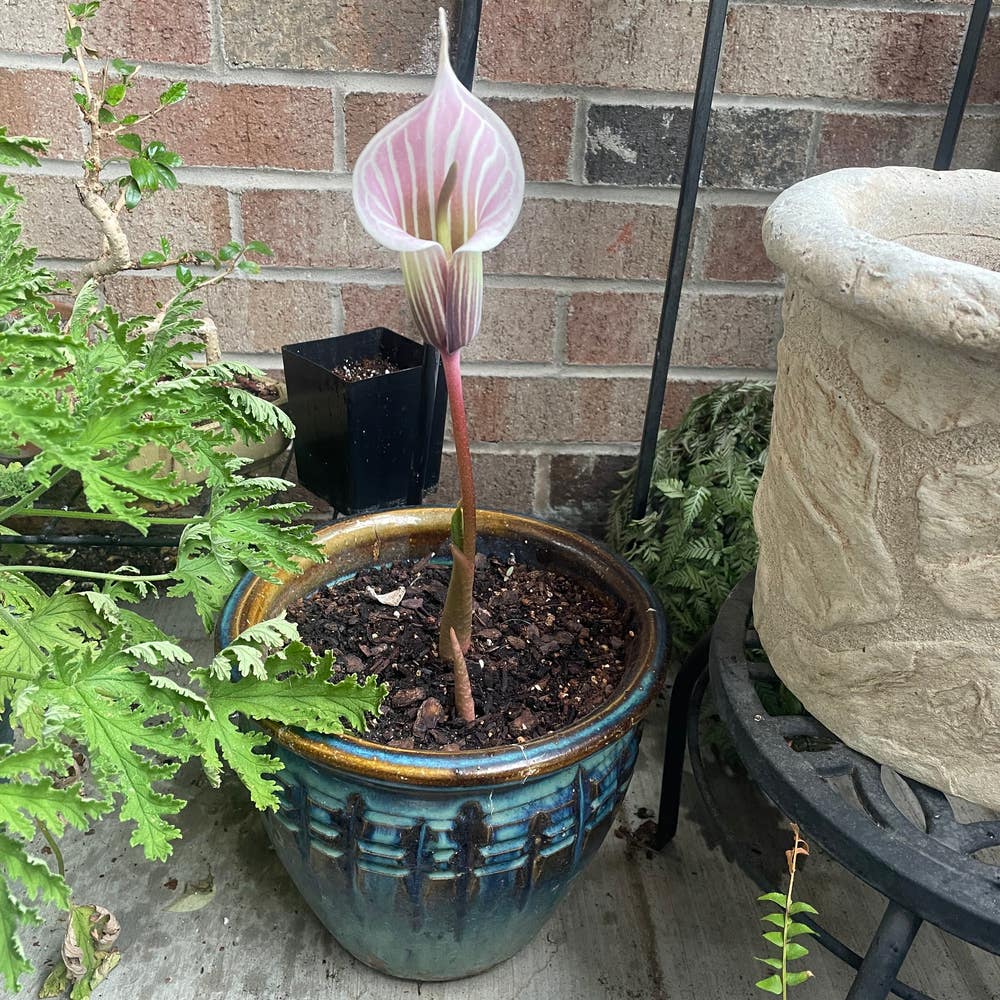
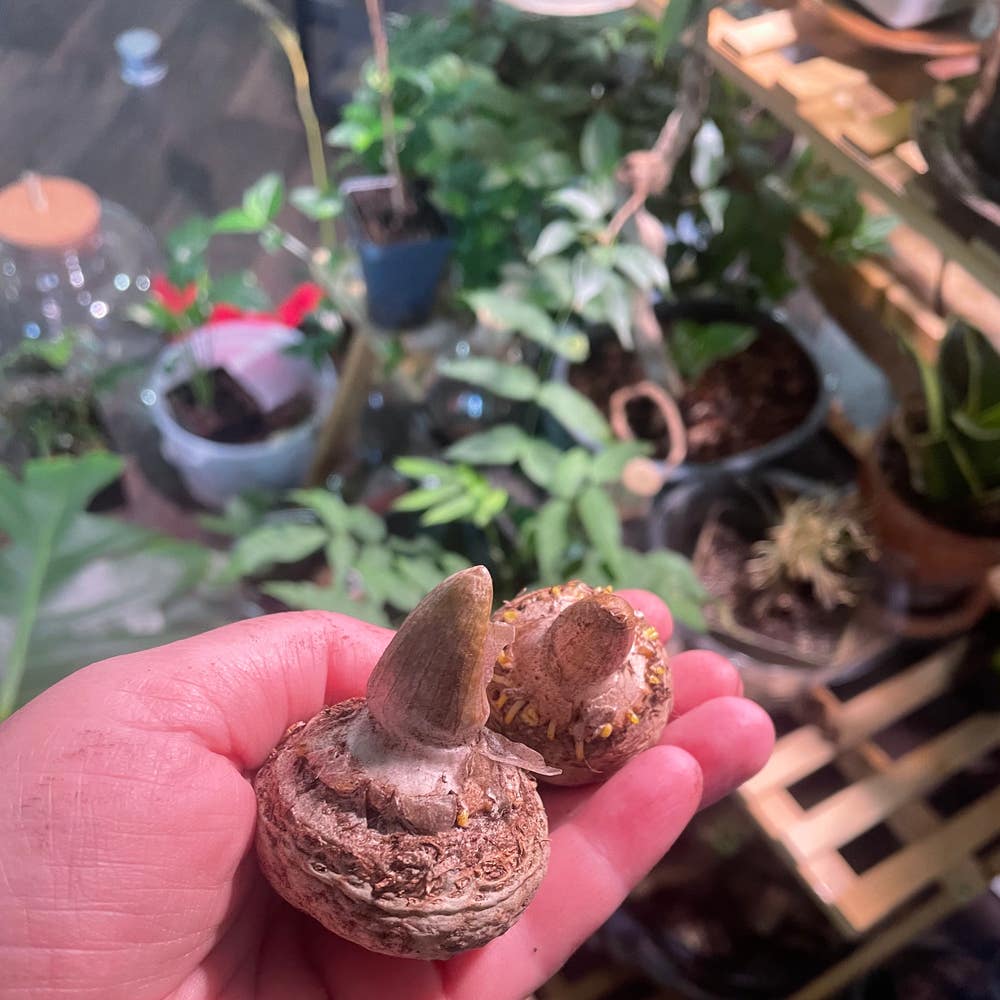
💧 How to Cure Droopy Leaves on Your Jack-in-the-Pulpit
Arisaema triphyllum
By the Greg Editorial Team
Oct 18, 2024•5 min read
This article was created with the help of AI so we can cover more plants for you. May contain errors. See one? Report it here.
Revive your Jack-in-the-Pulpit 🌱 by diagnosing droopy leaves for vibrant growth and lasting health!
- 🌞 Droopy leaves indicate too much sun; Jack-in-the-Pulpit prefers partial to full shade.
- 💧 Consistent soil moisture is vital; both overwatering and underwatering cause droopiness.
- 🐛 Regular pest inspections prevent damage; pests like aphids contribute to wilting leaves.
Causes of Droopy Leaves
🌍 Environmental Stress Factors
Light exposure plays a crucial role in the health of your Jack-in-the-Pulpit. Ideally, these plants thrive in partial to full shade; too much sun can lead to leaf scorch and wilting.
Seasonal changes also impact their well-being. Fluctuations in temperature, whether from cold drafts or heat stress, can cause significant stress, leading to droopy leaves.
💧 Soil Moisture Imbalance
Maintaining the right soil moisture is vital for your plant's health. The ideal condition is consistently moist soil, but not waterlogged.
Overwatering can manifest as yellowing leaves and root rot, while underwatering shows up as crisp, dry leaf edges and wilting. Both extremes can lead to droopy leaves, so monitoring moisture levels is essential.
🌱 Nutrient Deficiencies
Key nutrients like nitrogen, phosphorus, and potassium are essential for vibrant leaf health. Deficiencies in these nutrients can result in pale leaves and stunted growth.
On the flip side, over-fertilization can also be problematic. Signs include leaf burn and drooping, indicating that your plant might be overwhelmed by excess nutrients.
🐛 Pest Infestations
Pests like aphids can wreak havoc on your Jack-in-the-Pulpit. They not only damage the leaves but can also leave sticky residue that signals a problem.
To combat these pests, consider organic control methods. Options like neem oil and insecticidal soap can effectively manage infestations without harming your plant.
Understanding these causes will help you diagnose and treat droopy leaves effectively. Next, we’ll explore how to diagnose the specific issues affecting your plant.
Diagnosing Droopy Leaves
🕵️♂️ Identifying Symptoms of Droop
Droopy leaves can signal various issues with your Jack-in-the-Pulpit. Start by observing the leaf position; are they drooping or standing upright?
Color changes are also telling. Yellowing or browning leaves often indicate stress, whether from environmental factors or nutrient deficiencies.
🌱 Assessing Soil Conditions
Next, check your soil conditions. Soil moisture testing is crucial; you can use a simple finger test or a moisture meter to gauge moisture levels.
The ideal soil texture should be rich and well-draining, packed with high organic matter. This ensures your plant has the right environment to thrive.
🐛 Checking for Pests and Diseases
Regular inspections for pests are essential. Focus on the undersides of leaves where pests like aphids often hide.
Look for signs of disease as well. Fungal infections can lead to wilting, so keep an eye out for any unusual spots or discoloration.
💡 Evaluating Light Exposure
Finally, assess your plant's light exposure. Measuring light intensity with a light meter can help you determine if your Jack-in-the-Pulpit is getting too much or too little light.
If necessary, adjust the plant's location to ensure it receives optimal growth conditions. Proper light exposure is key to preventing droopy leaves in the first place.
By diagnosing these factors, you can effectively address the droopiness and restore your plant's health. Next, let’s explore treatment solutions to bring your Jack-in-the-Pulpit back to its vibrant self.
Treatment Solutions
🌊 Adjusting Watering Practices (difficulty: easy)
To revive your Jack-in-the-Pulpit, start with a consistent watering schedule. Water when the top inch of soil feels dry to the touch, ensuring the plant receives adequate moisture without becoming waterlogged.
Deep watering is key to encouraging robust root growth. This method allows water to penetrate deeper into the soil, promoting a healthier plant overall.
🏞️ Improving Soil Drainage (difficulty: moderate)
Soil drainage is crucial for preventing droopy leaves. Enhance drainage by adding organic matter like compost or peat moss to your soil mix.
A recommended ratio is 50% topsoil, 30% compost, and 20% perlite. This combination ensures your Jack-in-the-Pulpit has the right environment to thrive.
🌱 Fertilization Tips for Recovery (difficulty: moderate)
Fertilization plays a vital role in the recovery of droopy leaves. Aim to fertilize your plant in early spring and mid-summer for optimal growth.
Use a balanced NPK fertilizer, such as 10-10-10, to provide essential nutrients. This will help restore the vibrancy of your plant's leaves.
🐞 Pest Control Methods (difficulty: moderate)
Pest infestations can contribute to droopy leaves, so proactive management is essential. Start with organic pest control strategies, such as hand-picking visible pests and applying insecticidal soap.
Consider introducing beneficial insects like ladybugs and lacewings. These natural predators can help keep harmful pests at bay, promoting a healthier plant environment.
By implementing these treatment solutions, you can effectively address the causes of droopy leaves and restore your Jack-in-the-Pulpit to its vibrant self. Next, let’s explore preventive measures to keep your plant healthy in the long run.
Preventive Measures
🌊 Best Practices for Watering
Establishing a consistent watering routine is crucial for your Jack-in-the-Pulpit. Regularly monitor soil moisture to ensure it remains consistently moist but not soggy.
Adjust your watering schedule based on seasonal changes. During hotter months, your plant may require more frequent watering, while cooler months may necessitate less.
🌱 Soil Preparation and Amendments
Preparing the soil before planting can set your Jack-in-the-Pulpit up for success. Start by testing the soil pH, aiming for an ideal range of 6.0 to 7.0.
Incorporating organic matter, such as compost, enhances nutrient retention and improves soil structure. This creates a healthier environment for root development.
🍂 Seasonal Care Tips
Adjusting care based on the seasons is essential for optimal plant health. In spring, focus on fertilization and watering adjustments to support new growth.
As fall approaches, prepare your plant for dormancy by gradually reducing watering. This helps your Jack-in-the-Pulpit conserve energy during the colder months.
🔍 Monitoring Plant Health Regularly
Regular inspections of your plant can catch issues before they escalate. Look for signs of stress or disease, such as drooping leaves or discoloration.
Keeping a care journal can be beneficial for tracking changes over time. Documenting your plant's health will help you identify patterns and make informed adjustments.
By following these preventive measures, you can maintain a thriving Jack-in-the-Pulpit and enjoy its unique beauty year-round. Next, let’s explore effective treatment solutions for droopy leaves.
⚠️ Safety First
This content is for general information and may contain errors, omissions, or outdated details. It is not medical, veterinary advice, or an endorsement of therapeutic claims.
Always consult a qualified healthcare professional before using any plant as food, medicine, or supplement.
Never eat any plant (or feed one to pets) without confirming its identity with at least two trusted sources.
If you suspect poisoning, call Poison Control (800) 222-1222, the Pet Poison Helpline (800) 213-6680, or your local emergency service immediately.
Spotted an error? Please report it here.
Revive your Jack-in-the-Pulpit from droopy leaves to vibrant health 🌿 with Greg's tailored care reminders and nutrient tracking, ensuring your plant thrives in its perfect environment!