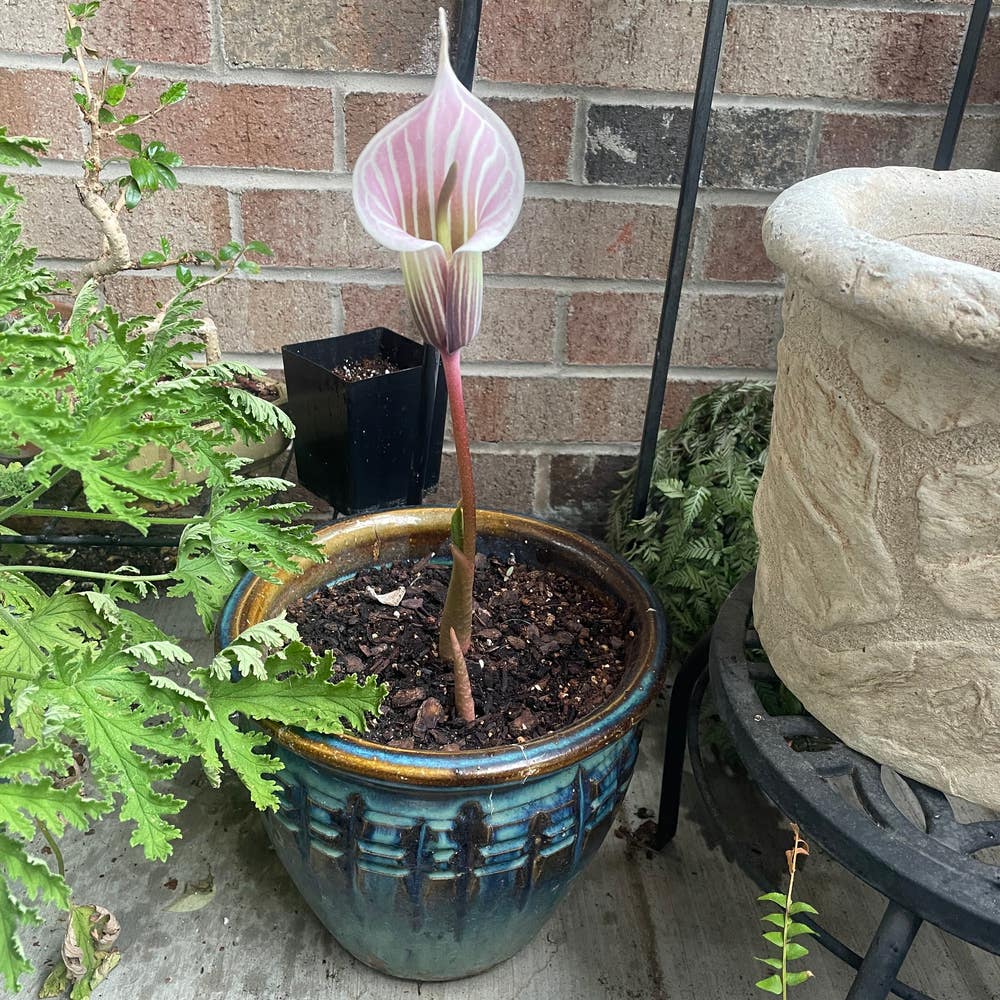
What to Do About Jack-in-the-Pulpit Root Rot 🍄
Arisaema triphyllum
By the Greg Editorial Team
Oct 18, 2024•5 min read
This article was created with the help of AI so we can cover more plants for you. May contain errors. See one? Report it here.
Revive your Jack-in-the-Pulpit and prevent root rot with these expert diagnosis and care tips! 🌿
- 🌱 Early diagnosis of root rot is vital for Jack-in-the-Pulpit recovery.
- 🔍 Inspect for yellowing leaves and soft stems to identify distress signs.
- 💧 Use well-draining soil and adjust watering to prevent future root rot.
Diagnosing Root Rot
👀 Visual Signs to Look For
Identifying root rot early can save your Jack-in-the-Pulpit. Start by examining the leaves; yellowing, wilting, or browning edges are clear indicators of distress.
Next, check the stem integrity. If you notice softness or discoloration at the base, it's a sign that something is amiss. Overall plant vigor is also crucial; a lack of new growth or flowering often points to root issues.
🌧️ Soil Testing for Moisture Levels
Understanding soil moisture is key to diagnosing root rot. Use the finger test by inserting your finger 1-2 inches into the soil; if it feels wet, you may be overwatering.
Alternatively, a soil moisture meter can provide accurate readings. Aim to keep the soil consistently moist but not soggy to promote healthy root development.
🔍 Root Examination Techniques
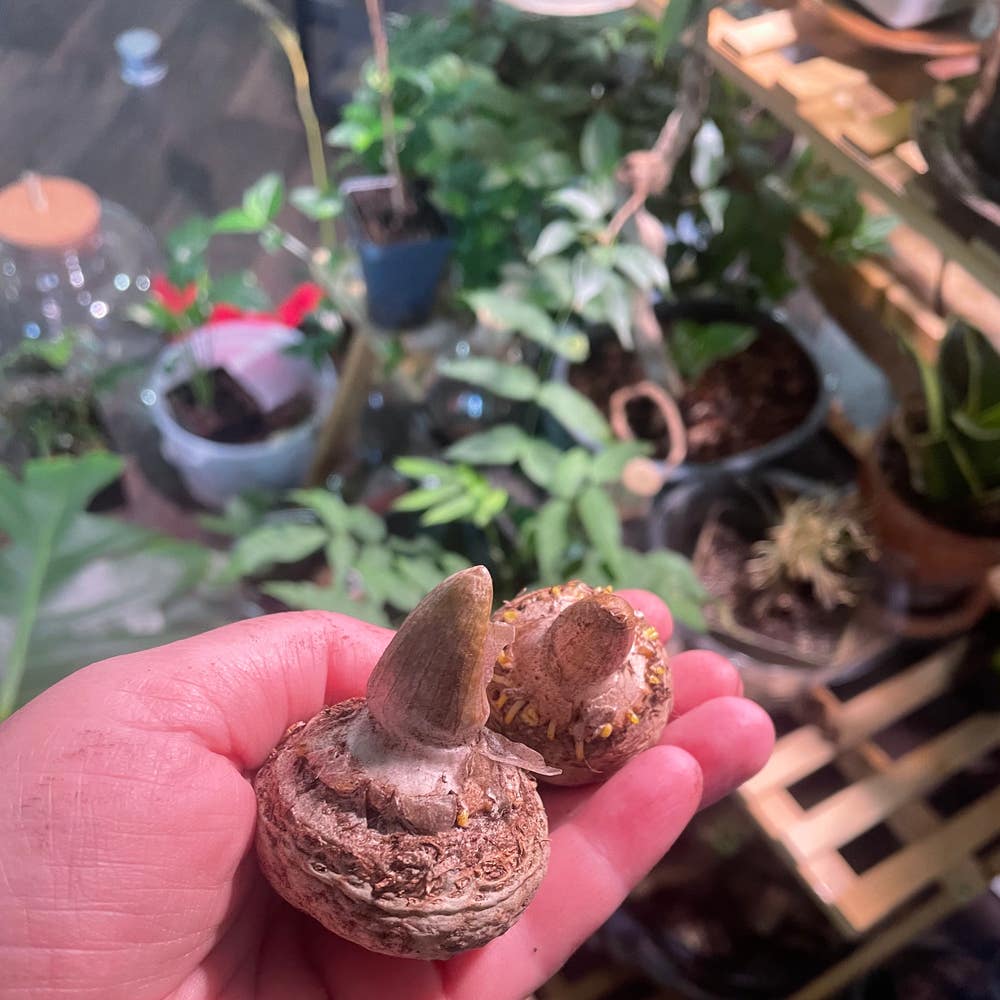
When diagnosing root rot, careful examination of the roots is essential. Start by gently removing the plant from the soil to minimize damage.
Inspect the roots closely. Healthy roots should be firm, white, and crisp, while affected roots will appear dark, mushy, or even foul-smelling. Documenting your findings can help track root health over time, making it easier to spot changes.
By being vigilant and proactive, you can effectively diagnose root rot and take the necessary steps to treat it. Next, we’ll explore how to treat root rot effectively.
Treating Root Rot
Step-by-Step Treatment Process 🌱
Remove the plant from the soil: Start by gently lifting the plant to assess the root condition. This step is crucial for determining the extent of the rot.
Trim affected roots: Use sterilized scissors to cut away any dark, mushy roots. This helps prevent the spread of rot to healthy parts.
Disinfecting the remaining roots: Soak the healthy roots in a fungicide solution. This step is vital to eliminate any lingering pathogens.
Replanting in fresh, well-draining soil: Choose a soil mix that promotes drainage. This ensures the plant has a healthy environment to recover.
Recommended Fungicides or Treatments 🧪
Types of fungicides: Understand the difference between systemic and contact fungicides. Systemic fungicides work from within the plant, while contact fungicides act on the surface.
Natural alternatives: Consider using neem oil or cinnamon powder as antifungal agents. These options are effective and less harsh on the environment.
Application methods: Always follow label instructions for the best results. Proper application ensures the treatment is effective and safe for your plant.
Importance of Proper Watering Techniques 💧
Watering schedule: Allow the soil to dry slightly between waterings. This practice helps prevent future root rot.
Techniques for effective watering: Focus on deep watering rather than surface watering. Deep watering encourages roots to grow stronger and deeper.
Monitoring environmental conditions: Adjust your watering based on humidity and temperature. Being attentive to these factors can make a significant difference in plant health.
By following these steps and recommendations, you can effectively treat root rot and set your Jack-in-the-Pulpit on the path to recovery. Next, let’s explore how to prevent root rot from occurring in the first place.
Preventing Root Rot
🌱 Best Soil Types for Jack-in-the-Pulpit
Choosing the right soil is crucial for preventing root rot in Jack-in-the-Pulpit. Aim for well-draining loamy soil enriched with organic matter to promote healthy growth.
Soil pH is another key factor. A slightly acidic to neutral pH range of 6.0 to 7.0 is ideal for these plants.
Be cautious of heavy clay soils, as they can trap water and lead to poor drainage, increasing the risk of root rot.
🚰 Drainage Solutions
Improving drainage is essential for keeping your Jack-in-the-Pulpit healthy. One effective method is amending the soil by adding perlite or sand, which enhances drainage capabilities.
Consider using raised beds, especially in areas prone to waterlogging. This elevates the plant's root zone, allowing excess water to escape.
For more severe drainage issues, installing systems like French drains or gravel beds can effectively manage excess water and keep your plants thriving.
🌧️ Seasonal Care Tips to Avoid Overwatering
Adjusting your watering frequency based on seasonal rainfall is vital for preventing root rot. During rainy seasons, reduce watering to avoid soggy soil.
Mulching is another great technique. It helps retain moisture while preventing water from pooling around the roots.
Keep an eye on your plant's growth. Recognizing signs of stress during wet seasons can help you make timely adjustments to your care routine.
By implementing these strategies, you can significantly reduce the risk of root rot and ensure your Jack-in-the-Pulpit remains vibrant and healthy.
Next, let’s explore how to monitor plant health effectively.
Monitoring Plant Health
Regular Checks for Root Health 🌱
To keep your Jack-in-the-Pulpit thriving, conduct monthly inspections during the growing season. Pay attention to leaf color, growth patterns, and soil moisture to catch any issues early.
Signs of Recovery from Root Rot 🌿
Look for signs of new growth, such as healthy leaves and stems, which indicate recovery. Improved vigor, like increased flowering and overall plant health, is a great sign, as are firm, healthy roots upon examination.
Long-Term Care Strategies to Maintain Root Health 🛠️
Adopt consistent watering practices, adjusting them according to seasonal changes. Regularly amend the soil with organic matter to enhance its health and be aware of environmental changes to fine-tune your care routine.
Monitoring your plant's health is crucial for its longevity. By staying vigilant and proactive, you can ensure your Jack-in-the-Pulpit remains vibrant and resilient. Next, let’s explore how to prevent root rot from occurring in the first place.
⚠️ Safety First
This content is for general information and may contain errors, omissions, or outdated details. It is not medical, veterinary advice, or an endorsement of therapeutic claims.
Always consult a qualified healthcare professional before using any plant as food, medicine, or supplement.
Never eat any plant (or feed one to pets) without confirming its identity with at least two trusted sources.
If you suspect poisoning, call Poison Control (800) 222-1222, the Pet Poison Helpline (800) 213-6680, or your local emergency service immediately.
Spotted an error? Please report it here.
Revive your Jack-in-the-Pulpit from root rot with early diagnosis and care 🌱—let Greg guide you with tailored watering reminders and soil moisture tips for a thriving plant!