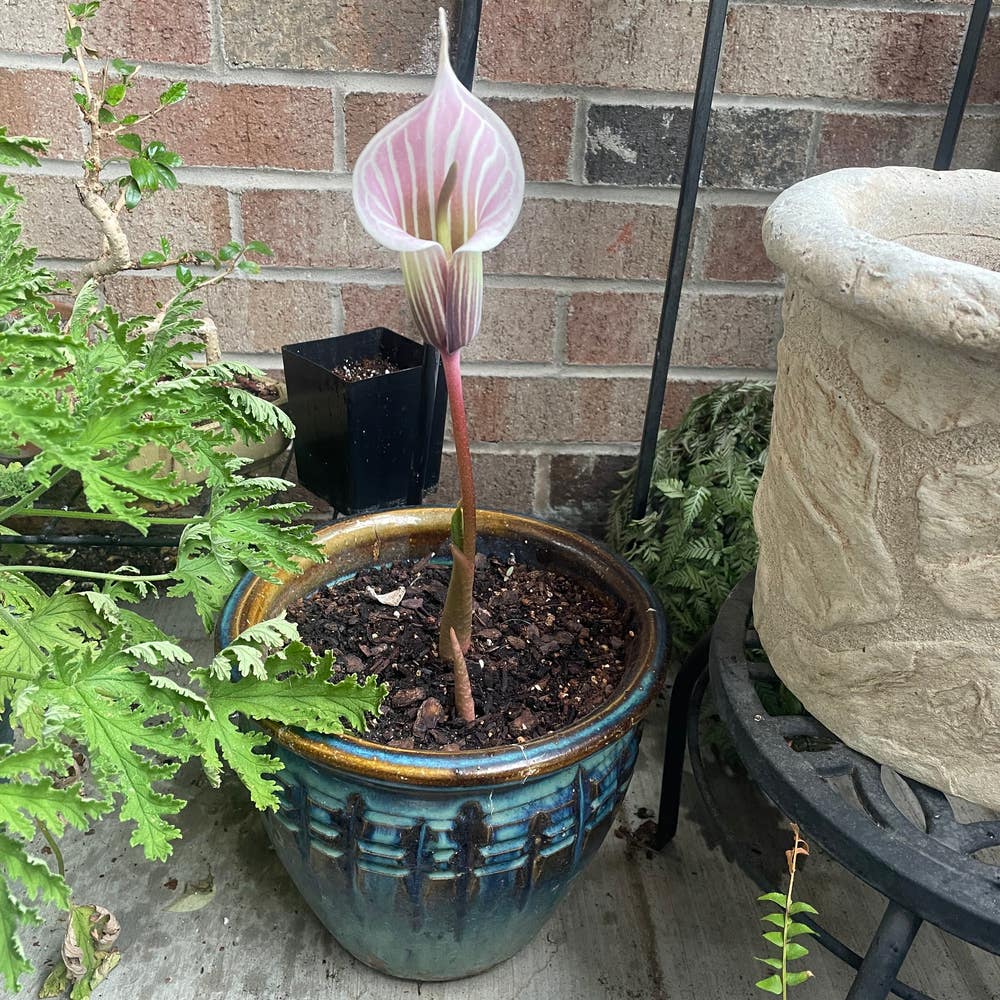
🌺 7 Perfect Plant Partners for Jack-in-the-Pulpit
Arisaema triphyllum
By the Greg Editorial Team
Oct 18, 2024•4 min read
This article was created with the help of AI so we can cover more plants for you. May contain errors. See one? Report it here.
Boost your garden's health 🌱 by mastering companion planting with Jack-in-the-Pulpit for a thriving ecosystem!
- 🌱 Companion planting boosts Jack-in-the-Pulpit's growth by improving nutrient uptake.
- 🐝 Wild Ginger and Foamflower thrive together, sharing moisture and nutrient needs.
- 🌼 Diverse plant combinations attract pollinators and deter pests, enriching your garden's ecosystem.
Benefits of Companion Planting for Jack-in-the-Pulpit
🌱 Enhanced Growth and Health
Companion planting significantly boosts the growth and health of Jack-in-the-Pulpit. By pairing it with compatible plants, you enhance nutrient uptake, allowing both species to thrive.
Plants like Wild Ginger and Foamflower share similar moisture and nutrient needs. This synergy promotes healthier root systems and improves soil quality through beneficial interactions.
🐞 Pest Management
Companion plants also serve as natural pest deterrents. By reducing pest populations, they create a healthier environment for Jack-in-the-Pulpit.
For instance, certain plants can repel aphids and other common pests. Incorporating these companions not only protects your plants but also fosters a balanced ecosystem.
🌼 Importance of Garden Diversity
Diversity in your garden is crucial for ecological balance. A varied planting scheme supports local wildlife and attracts pollinators, enriching the garden's biodiversity.
Moreover, a diverse garden is more resilient against diseases and pests. By mixing different species, you reduce the vulnerability of your plants, ensuring a thriving garden year-round.
This holistic approach to gardening not only benefits Jack-in-the-Pulpit but also creates a vibrant, sustainable ecosystem. Next, let’s explore some ideal companion plants that can enhance your garden's beauty and health.
Ideal Companion Plants
🌱 Wild Ginger
Wild Ginger is a low-growing, shade-loving perennial that thrives in woodland settings. Its similar moisture requirements make it an excellent companion for Jack-in-the-Pulpit, while its mycorrhizal associations enhance soil health.
🌼 Foamflower
Foamflower features attractive foliage and delicate flowers, adding charm to any garden. It thrives in similar conditions as Jack-in-the-Pulpit, providing ground cover and attracting beneficial insects.
🌿 Solomon's Seal
With its elegant arching stems and bell-shaped flowers, Solomon's Seal is a stunning addition to your garden. It shares similar soil and light preferences, helping to maintain soil moisture for Jack-in-the-Pulpit.
🌸 Virginia Bluebell
Virginia Bluebell showcases beautiful spring blooms in vibrant blue. This plant not only attracts pollinators but also complements the unique appearance of Jack-in-the-Pulpit.
🌼 Bloodroot
Bloodroot is an early spring bloomer with striking white flowers. As a native plant, it thrives in similar woodland conditions, enhancing biodiversity in your garden.
🌳 Ostrich Fern
Ostrich Fern features tall, feathery fronds that add texture and depth. This moisture-loving plant provides a lush backdrop for Jack-in-the-Pulpit, creating a vibrant garden atmosphere.
🍃 Hostas
Hostas are known for their varied leaf shapes and colors, making them ideal for shady spots. They offer visual appeal and thrive in similar conditions, enhancing the overall aesthetics of your garden.
These companion plants not only support the growth of Jack-in-the-Pulpit but also contribute to a diverse and thriving garden ecosystem. By choosing the right partners, you can create a harmonious environment that benefits all plants involved.
Next, let’s explore which plants to avoid to ensure your garden remains healthy and vibrant.
Plants to Avoid
🌿 Japanese Knotweed
Japanese Knotweed is a notorious invader in gardens. Its aggressive growth can overshadow and outcompete Jack-in-the-Pulpit for essential resources like sunlight and nutrients.
🧄 Garlic Mustard
Garlic Mustard is another plant to steer clear of. Its invasive nature and allelopathic properties can hinder the growth of nearby plants, including your beloved Jack-in-the-Pulpit.
Avoiding these plants will help maintain a thriving garden ecosystem. By choosing the right companions, you can ensure your Jack-in-the-Pulpit flourishes alongside its ideal partners.
Visual Appeal and Aesthetic Considerations
🎨 Color and Texture Combinations
Creating a visually striking garden involves thoughtful color and texture pairings. For Jack-in-the-Pulpit, consider companion plants like Foamflower and Virginia Bluebell, which offer vibrant contrasts to the unique green and brown hues of the Jack-in-the-Pulpit.
Mixing the delicate foliage of Wild Ginger with the bold fronds of Ostrich Fern can create a dynamic visual landscape. The interplay of light and dark greens, along with the occasional splash of blue from Virginia Bluebell, enhances the overall aesthetic.
🍂 Seasonal Interest and Foliage Considerations
Seasonal changes in companion plants can significantly enhance your garden's appeal throughout the year. For instance, Bloodroot's early spring blooms provide a stunning display, while the lush foliage of Hostas offers a rich backdrop in the summer.
As the seasons shift, the varying heights and textures of your chosen plants can create a layered look. This not only adds depth but also keeps your garden engaging, ensuring there's always something to admire, no matter the time of year.
Incorporating these elements will not only beautify your space but also support the health and growth of your Jack-in-the-Pulpit. With careful planning, you can cultivate a garden that is both visually appealing and ecologically sound.
Next, let’s explore the plants you should avoid to maintain a thriving garden ecosystem.
⚠️ Safety First
This content is for general information and may contain errors, omissions, or outdated details. It is not medical, veterinary advice, or an endorsement of therapeutic claims.
Always consult a qualified healthcare professional before using any plant as food, medicine, or supplement.
Never eat any plant (or feed one to pets) without confirming its identity with at least two trusted sources.
If you suspect poisoning, call Poison Control (800) 222-1222, the Pet Poison Helpline (800) 213-6680, or your local emergency service immediately.
Spotted an error? Please report it here.
Enhance your Jack-in-the-Pulpit’s health with perfect companions like Wild Ginger and Virginia Bluebell, and let Greg provide you with tailored care tips to keep your garden thriving! 🌿 Flourish!