Best Tips for Repotting Jack-in-the-Pulpit ⛪
Arisaema triphyllum
By the Greg Editorial Team
Oct 18, 2024•5 min read
This article was created with the help of AI so we can cover more plants for you. May contain errors. See one? Report it here.
Unlock your Jack-in-the-Pulpit's full potential 🌱 by mastering the signs it needs repotting for vibrant growth!
- 🌱 Signs to repot: Look for roots out of drainage holes or stunted growth.
- 🏺 Best pots: Terracotta promotes air circulation; plastic retains moisture well.
- 🌿 Ideal timing: Repot in early spring or late fall for minimal stress.
Signs That Jack-in-the-Pulpit Needs Repotting
🌱 Root System Indicators
One of the first signs that your Jack-in-the-Pulpit needs repotting is when you see roots growing out of the drainage holes. This indicates that the plant is root-bound and desperately needs more space to thrive.
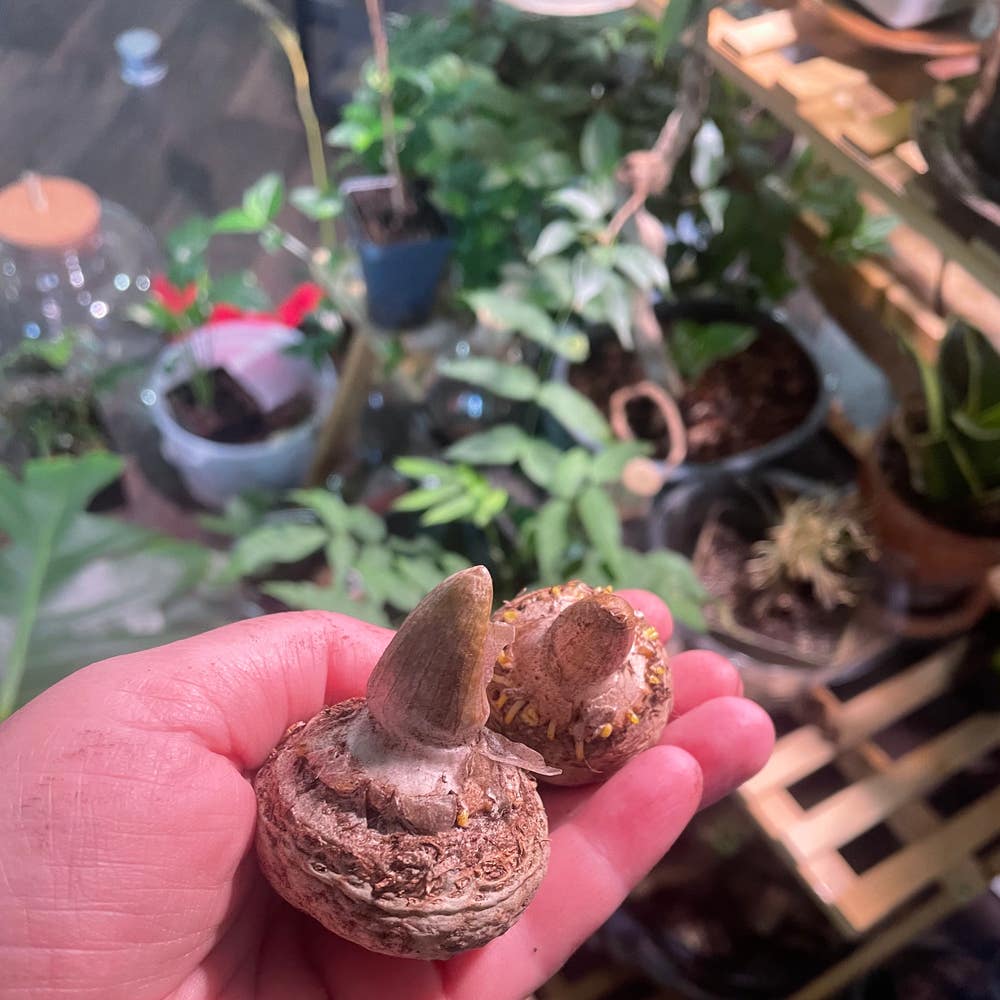
Another indicator is when the tuberous roots become crowded. If you notice this, it's time to give your plant a larger home to ensure healthy growth.
🏥 Plant Health Indicators
Stunted growth is a clear signal that your plant might be in distress. If you’re not seeing new leaves or flowers, it’s likely that the plant is struggling for nutrients and space.
Yellowing leaves can also be a red flag. This often points to poor soil conditions or underlying root issues that need addressing.
🌍 Environmental Indicators
If you find that the soil is drying out too quickly, it suggests that your Jack-in-the-Pulpit has outgrown its pot. This can lead to stress and hinder its growth.
Additionally, a frequent need for watering may indicate insufficient soil volume. If you’re watering more often than usual, it’s time to consider repotting to provide your plant with the space it needs to flourish.
Recognizing these signs early can make a significant difference in the health of your Jack-in-the-Pulpit. By addressing these indicators promptly, you can ensure your plant continues to thrive and bring beauty to your space.
Best Time of Year to Repot Jack-in-the-Pulpit
🌱 Seasonal Considerations
The best time to repot your Jack-in-the-Pulpit is early spring, just before new growth kicks in. This timing allows the plant to settle into its new home while it’s gearing up for a fresh season of growth.
Alternatively, late fall is another suitable option, especially after the plant has gone dormant. This period minimizes stress and gives the plant a chance to recover before the next growing season.
🗺️ Regional Adaptations
Keep in mind that local climate can influence the ideal repotting time. If you live in a region with milder winters, you might find that early spring works best for your plant.
Additionally, adjust your repotting schedule based on specific growth conditions. Always ensure your Jack-in-the-Pulpit isn’t under stress during the process, as this can hinder its recovery and growth.
With the right timing, your plant will thrive in its new pot, setting the stage for vibrant growth ahead. Next, let’s dive into the step-by-step guide for repotting Jack-in-the-Pulpit effectively.
Pot Material Options
Benefits of Using Terracotta Pots 🌱
Terracotta pots are a fantastic choice for Jack-in-the-Pulpit. Their breathability allows for better air circulation to the roots, promoting healthy growth.
Additionally, terracotta helps regulate moisture, preventing overwatering. This is crucial for maintaining the delicate balance your plant needs.
Advantages of Plastic Pots ♻️
Plastic pots are lightweight and easy to handle, making them a practical option for many gardeners. They also retain moisture longer, which can reduce how often you need to water.
This can be especially beneficial during hot summer months when plants may dry out quickly.
Disadvantages of Ceramic Pots 🚫
While ceramic pots can be visually appealing, they come with drawbacks. They often retain too much moisture, which can lead to root rot—a nightmare for your Jack-in-the-Pulpit.
Moreover, ceramic pots are heavier and can be cumbersome to move, especially when the plant grows larger.
Considerations for Biodegradable Pots 🌍
Biodegradable pots offer an eco-friendly alternative, made from materials like coconut coir or peat. They are great for those looking to reduce their environmental impact.
However, keep in mind that these pots may require more frequent replacement as they break down over time. This can be a hassle, but it’s worth considering if sustainability is a priority for you.
Choosing the right pot material is essential for the health of your Jack-in-the-Pulpit. Next, let’s explore the best potting soil and drainage options to ensure your plant thrives.
Potting Soil and Drainage
Recommended Soil Mix 🌱
For Jack-in-the-Pulpit, the right soil mix is crucial. Aim for a blend of 50% peat moss, 30% perlite, and 20% compost to create a nutrient-rich environment.
This combination not only supports healthy growth but also maintains the ideal pH level, which should be slightly acidic to neutral (6.0 to 7.0).
Importance of Drainage in Pot Selection 🚰
Drainage is vital for the health of your plant. Proper drainage prevents waterlogging, which is essential for the tuberous root system to thrive.
Additionally, good drainage reduces the risk of root rot, ensuring your Jack-in-the-Pulpit stays healthy and vibrant.
How to Ensure Proper Drainage 🛠️
To guarantee effective drainage, always use pots with drainage holes. This simple feature allows excess water to escape, preventing soggy soil conditions.
You can also enhance drainage by adding a layer of gravel or small stones at the bottom of the pot. This extra step helps facilitate water flow and keeps the roots happy.
With the right soil mix and drainage practices, your Jack-in-the-Pulpit will flourish. Next, let’s explore the best pot material options to further enhance your plant's growth environment.
Transplanting Techniques
🌱 How to Handle the Root System During Repotting
When repotting your Jack-in-the-Pulpit, it’s crucial to support the tuberous roots. Avoid pulling or tugging, as this can cause unnecessary damage.
Minimize disturbance by keeping as much of the original soil intact as possible. This helps the plant adjust more easily to its new environment.
🚫 Techniques for Minimizing Transplant Shock
To reduce stress on the roots, water the plant thoroughly before repotting. This simple step can make a significant difference in how well your plant adapts.
After repotting, keep the plant out of direct sunlight for a few days. This allows it to acclimate without the added stress of harsh light.
💧 Watering After Repotting
Once you’ve repotted, give the plant a thorough initial watering. Ensure the water drains out, leaving the soil moist but not soggy.
For the first few weeks, keep the soil consistently moist. This helps establish a healthy environment for your Jack-in-the-Pulpit as it settles into its new pot.
With these transplanting techniques, your plant will have a better chance of thriving in its new home. Next, let’s explore the best pot material options for your Jack-in-the-Pulpit.
⚠️ Safety First
This content is for general information and may contain errors, omissions, or outdated details. It is not medical, veterinary advice, or an endorsement of therapeutic claims.
Always consult a qualified healthcare professional before using any plant as food, medicine, or supplement.
Never eat any plant (or feed one to pets) without confirming its identity with at least two trusted sources.
If you suspect poisoning, call Poison Control (800) 222-1222, the Pet Poison Helpline (800) 213-6680, or your local emergency service immediately.
Spotted an error? Please report it here.
Transform your Jack-in-the-Pulpit into a thriving beauty 🌿 by using Greg's tailored repotting reminders and care tips to ensure a smooth transition to its new pot!