Determining What Might Be Eating Your Jack-in-the-Pulpit 🐞
Arisaema triphyllum
By the Greg Editorial Team
Oct 18, 2024•6 min read
This article was created with the help of AI so we can cover more plants for you. May contain errors. See one? Report it here.
Safeguard your Jack-in-the-Pulpit 🌼 from herbivores while enriching your garden's ecosystem with these vital strategies!
- 🌱 Jack-in-the-Pulpit attracts herbivores like deer, rabbits, and squirrels due to its tenderness.
- 🦌 Deer and rabbits cause significant damage; use repellents and fencing for protection.
- 🐦 Birds can help or harm; manage them with non-toxic repellents for balance.
Description and Appeal
Appearance 🌼
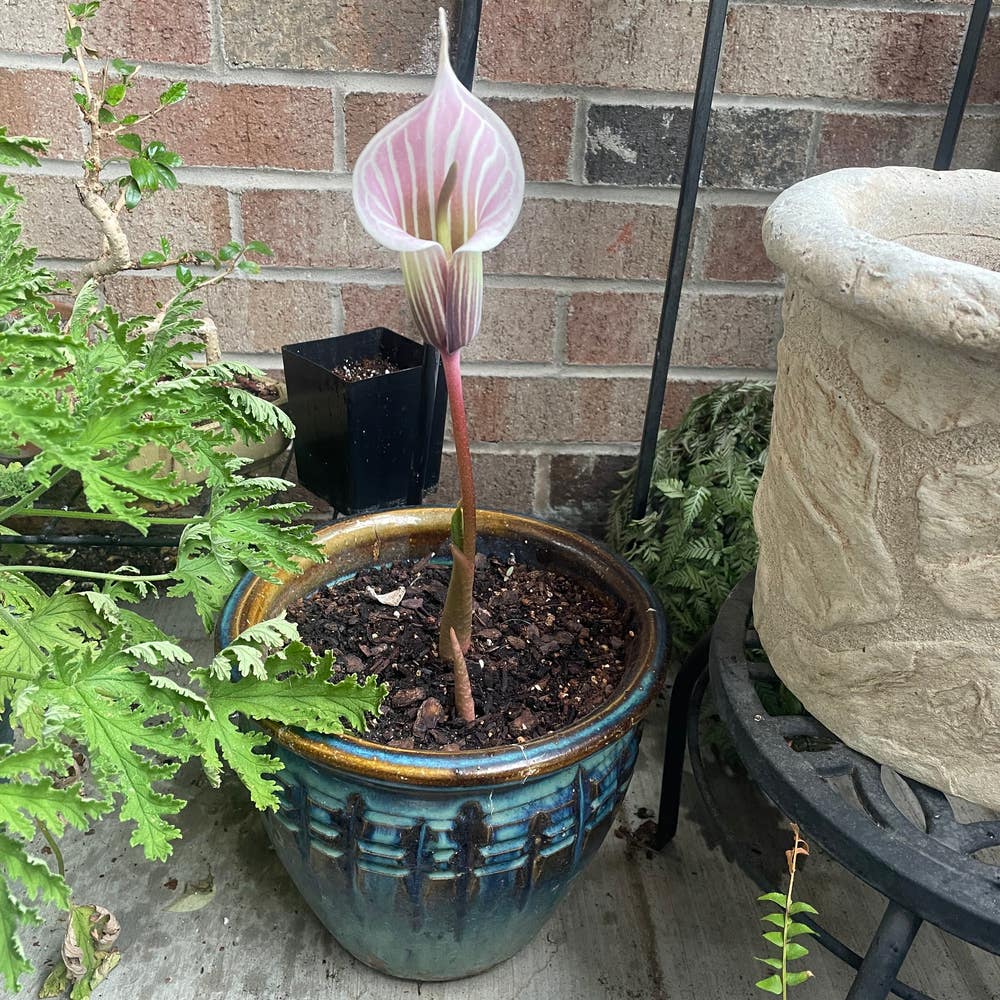
The Jack-in-the-Pulpit is a striking plant, easily recognized by its distinctive hooded flower. Its colors range from vibrant green to deep purple, standing tall at about 1 to 3 feet.
The leaves are equally impressive, broad and lush, reaching lengths of up to 12 inches. This combination of features makes it a captivating addition to any garden.
Parts Attractive to Animals 🐦
Several parts of the Jack-in-the-Pulpit are particularly appealing to wildlife. Young shoots are tender and packed with nutrients, making them a tasty treat for herbivores.
The unique shape and vivid colors of the flowers attract pollinators, while the bright berries entice birds and small mammals. This plant not only beautifies your space but also plays a vital role in the ecosystem.
Common Herbivores
🦌 Deer
Signs and Damage
Deer can be a significant threat to your Jack-in-the-Pulpit. Look for hoof prints in muddy areas and signs of browsing, such as stripped leaves and stunted growth.
Interaction Type
These animals are generally harmful, often decimating plant populations if left unchecked.
Deterrent Methods
To protect your plants, consider using commercial deer repellents. Alternatively, you can plant deer-resistant species or use human hair and soap shavings as organic deterrents.
🐇 Rabbits
Signs and Damage
Rabbits leave small, round droppings and can cause noticeable damage by cleanly cutting leaves and stems.
Interaction Type
Their presence is generally harmful, as they reduce the vigor of your plants.
Deterrent Methods
Bitter-tasting sprays can deter rabbits effectively. For a more organic approach, erect fencing that is 2-3 feet high or plant rabbit-resistant species nearby.
🐿️ Squirrels
Signs and Damage
Squirrels are notorious for chewing on stems and leaves, and you might find stripped bark or drey nests in nearby trees.
Interaction Type
These critters are generally harmful, causing significant damage to your plants.
Deterrent Methods
Capsaicin-based sprays can keep squirrels at bay. You can also use reflective materials like aluminum foil to deter them organically.
🐦 Birds
Signs and Damage
While birds can be a nuisance, they often leave peck marks on berries and flowers. Nesting nearby can also indicate their presence, evidenced by feathers and droppings.
Interaction Type
Birds are generally beneficial, aiding in pollination and seed dispersal.
Deterrent Methods
For a gentle approach, use non-toxic bird repellents. Scare tactics, such as reflective tape, can also help keep them away without harming them.
🐭 Rodents
Signs and Damage
Rodents can be quite destructive, leaving burrows near your plants and gnaw marks on stems. Look for small, dark pellets as signs of their presence.
Interaction Type
These pests are generally harmful, causing root damage that can jeopardize your plants' health.
Deterrent Methods
Consider using rodent bait stations for chemical control. For an organic solution, trapping and natural repellents like peppermint oil can be effective.
🦡 Groundhogs
Signs and Damage
Groundhogs create large burrows and show signs of digging. They can cause significant leaf and stem removal, leading to major damage.
Interaction Type
These animals are generally harmful and can devastate gardens if not managed.
Deterrent Methods
Commercial repellents can deter groundhogs effectively. Alternatively, build a fence that is 3 feet high and buried 1 foot underground to keep them out.
Understanding these common herbivores and their interactions with your Jack-in-the-Pulpit is crucial for effective management. Next, let’s explore the beneficial animals that can enhance your garden's ecosystem.
Beneficial Animals
Description 🐝
Pollinators like bees and butterflies are drawn to the unique flowers of the Jack-in-the-Pulpit. Their presence not only enhances the beauty of your garden but also plays a crucial role in the plant's reproductive success.
Positive Impacts 🌼
These beneficial animals significantly enhance biodiversity by supporting various species in the ecosystem. Additionally, they contribute to natural pest control by attracting predators that keep harmful pests in check.
Understanding the role of these creatures can inspire a deeper appreciation for the interconnectedness of nature. By fostering an environment that welcomes these beneficial animals, you can create a thriving garden ecosystem.
As we explore protection strategies next, consider how these interactions can shape your approach to maintaining a healthy garden.
Protection Strategies
🛡️ Preventive Measures
To protect your Jack-in-the-Pulpit, consider planting them in areas that are less accessible to herbivores. This could mean choosing spots that are naturally sheltered or using barriers to keep animals at bay.
Companion planting is another effective strategy. Pairing your Jack-in-the-Pulpit with plants that deter herbivores can create a natural defense system.
⚠️ Reactive Solutions
Regular monitoring is crucial. Keep an eye out for signs of damage, such as chewed leaves or stripped stems, to catch issues early.
When you notice any signs of trouble, act immediately. Implementing deterrent methods promptly can save your plants from further harm.
🌱 Balancing Ecosystem Health
Understanding the roles of herbivores in the ecosystem is essential. While some may cause damage, others contribute to biodiversity and soil health.
Using integrated pest management (IPM) strategies can help you strike a balance. This approach combines various methods to manage pests while maintaining a healthy ecosystem.
By adopting these protection strategies, you can enjoy the beauty of your Jack-in-the-Pulpit while minimizing the impact of herbivores. Next, let’s explore the seasonal considerations that affect their vulnerability.
Seasonal Considerations
🌱 Variations in Attraction
As the seasons shift, so does the activity around your Jack-in-the-Pulpit. In spring, a surge of herbivores emerges, drawn by the tender young shoots that are both nutritious and easy to access.
By summer, the plant's appeal intensifies. The vibrant berries and lush foliage become irresistible to a variety of animals, making this a critical time for monitoring.
⏰ Timing of Vulnerability
Understanding when your Jack-in-the-Pulpit is most vulnerable can help you protect it effectively. Early spring is particularly risky as young shoots are at their peak tenderness, attracting hungry herbivores.
Later in the season, late summer brings another wave of vulnerability. The bright berries become a target for birds and small mammals, necessitating vigilance to safeguard your plants.
By keeping an eye on these seasonal patterns, you can better prepare for the challenges your Jack-in-the-Pulpit faces throughout the year. This awareness will lead you to the next crucial topic: toxicity and its implications for herbivore interactions.
Toxicity
⚠️ Toxic Effects
Jack-in-the-pulpit contains calcium oxalate crystals, which can cause irritation if consumed. This natural defense mechanism helps protect the plant from being eaten by herbivores.
🐾 Implications for Interactions
The presence of these crystals can deter some animals from munching on the plant. Understanding which herbivores might avoid Jack-in-the-pulpit due to its toxicity can help gardeners make informed decisions about plant protection.
By recognizing the plant's unique characteristics, you can better appreciate its role in the ecosystem. This knowledge not only aids in safeguarding your garden but also fosters a deeper connection with nature.
⚠️ Safety First
This content is for general information and may contain errors, omissions, or outdated details. It is not medical, veterinary advice, or an endorsement of therapeutic claims.
Always consult a qualified healthcare professional before using any plant as food, medicine, or supplement.
Never eat any plant (or feed one to pets) without confirming its identity with at least two trusted sources.
If you suspect poisoning, call Poison Control (800) 222-1222, the Pet Poison Helpline (800) 213-6680, or your local emergency service immediately.
Spotted an error? Please report it here.
Keep your Jack-in-the-Pulpit thriving 🌱 by using Greg's personalized tips and reminders to fend off pesky herbivores and protect your garden's beauty!