Ultimate Guide to Pollinating Jack in the Pulpit 🐝
Arisaema triphyllum
By the Greg Editorial Team
Sep 30, 2024•5 min read
This article was created with the help of AI so we can cover more plants for you. May contain errors. See one? Report it here.
Unlock the secrets of Jack in the Pulpit's survival through self and cross-pollination! 🌼
- 🌼 Jack in the Pulpit self-pollinates, thriving even with few pollinators around.
- 🐝 Bees and other insects are key for cross-pollination, boosting plant resilience.
- 🌱 Hand pollination ensures success when natural methods fall short—timing is crucial!
Self-Pollination vs. Cross-Pollination
Self-Pollination 🌱
Jack in the Pulpit is unique in its ability to produce both male and female flowers, enabling self-pollination. This adaptability ensures reproduction even when pollinators are scarce, making it a resilient choice for gardeners.
The benefits of self-pollination are significant. It allows for seed production in isolated environments, ensuring that these fascinating plants can thrive even without external help.
Cross-Pollination 🌼
On the flip side, cross-pollination plays a crucial role in enhancing genetic diversity. This process not only increases resilience to diseases but also helps plants adapt to environmental changes.
Moreover, cross-pollination promotes healthier offspring with varied traits. This diversity can lead to stronger plants that are better equipped to handle the challenges of their surroundings.
In summary, both self-pollination and cross-pollination have their advantages, making Jack in the Pulpit a fascinating study in plant reproduction. Understanding these processes sets the stage for exploring the intricate flower structure that facilitates these methods.
Flower Structure
Description of Flower Parts 🌸
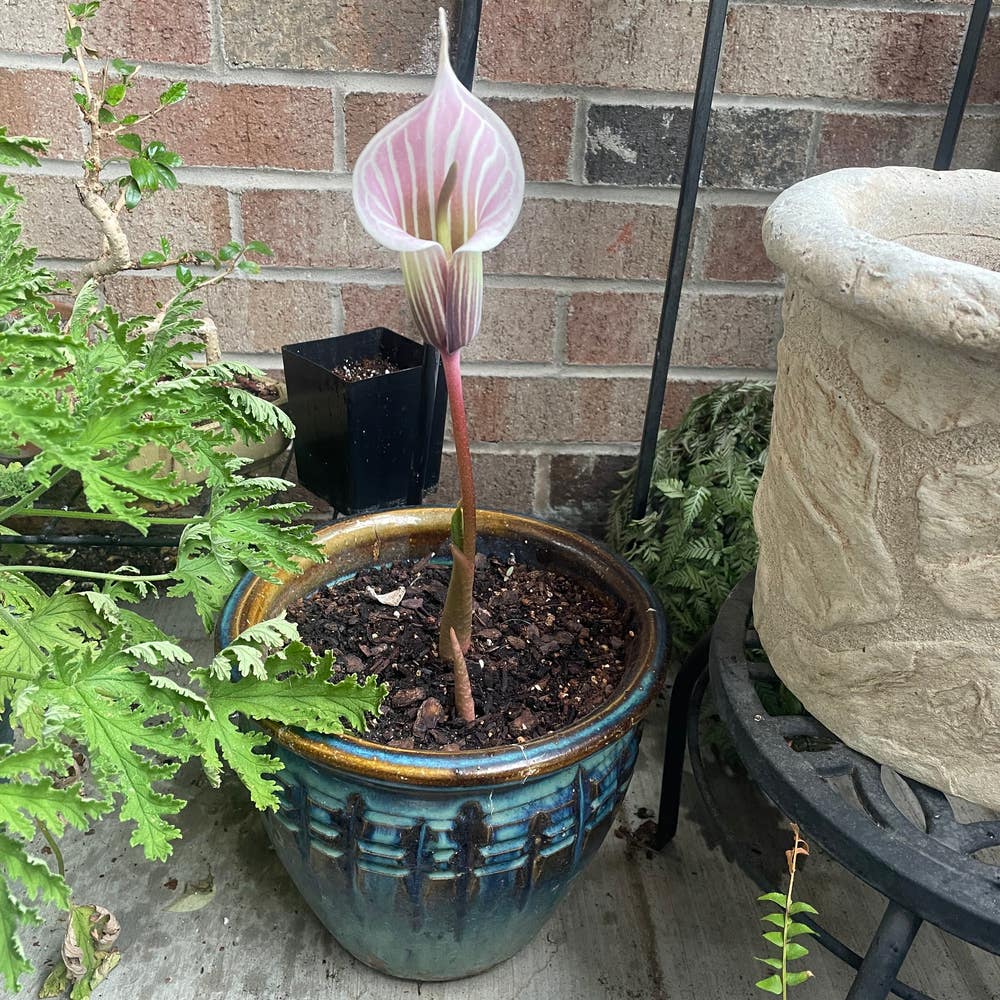
The Jack in the Pulpit boasts a unique flower structure that captivates both the eye and the pollinators. At its core is the hood-like spathe, which not only protects the spadix but also plays a crucial role in attracting pollinators.
The spadix itself houses both male (stamens) and female (pistils) reproductive parts, making it a fascinating example of plant anatomy. Surrounding these are the petals and sepals, typically green or purplish, which help the flower blend into its environment while still drawing attention.
How Flower Structure Facilitates Pollination 🐝
The arrangement of these flower parts creates a microenvironment that is ideal for pollen transfer. This design ensures that pollinators can easily access the reproductive structures while foraging.
Moreover, the spathe's hood traps heat and scent, which are essential for attracting specific pollinator species. This clever adaptation not only enhances pollination efficiency but also ensures the survival of the species in various environments.
As we delve deeper into the fascinating world of pollination, understanding the intricate flower structure of the Jack in the Pulpit sets the stage for exploring its natural pollinators and the mechanisms that facilitate pollen transfer.
Natural Pollination
🐝 Primary Pollinators
Jack in the Pulpit relies on a variety of pollinators to thrive.
Bees are the most common visitors, drawn in by the flower's enticing scent and vibrant colors. They play a crucial role in transferring pollen while foraging for nectar.
Butterflies also contribute to pollination, stopping by for a sweet sip and inadvertently aiding in cross-pollination.
Moths, active during the night, are attracted to the flower's fragrance, making them essential for nighttime pollination.
Hummingbirds are captivated by the flower's unique shape and bright colors, further enhancing pollen transfer.
🌬️ Pollen Transfer Mechanisms
Pollination isn't just about the pollinators; it's also about how pollen moves from one flower to another.
Wind plays a subtle yet significant role, helping disperse pollen from male flowers to female ones, especially in open areas.
Insect activity is a primary mechanism, as pollinators inadvertently carry pollen on their bodies while feeding. This natural process ensures that pollen reaches its intended destination.
Understanding these mechanisms and the role of various pollinators is vital for fostering a healthy ecosystem.
Next, we'll explore hand pollination techniques to ensure successful reproduction when natural methods fall short.
Hand Pollination Techniques
Hand pollination can be a rewarding way to ensure the successful reproduction of your Jack in the Pulpit. Follow these straightforward steps to get started.
Step 1: Identify Male and Female Flower Parts 🌸
First, you need to distinguish between the male and female parts of the flower. The male parts are found on the spadix, which has anthers at the top.
The female parts are located just below the male components on the same spadix. Knowing this will set you up for success.
Step 2: Collecting Pollen 🧹
Next, it’s time to gather some pollen. Use a small brush or a cotton swab to gently collect pollen from the male flower.
Be gentle to avoid damaging the delicate flower structure.
Step 3: Transferring Pollen 🔄
Now, you’ll transfer the pollen to the female flower. Carefully apply the collected pollen to the stigma of the female flower.
This step is crucial for effective fertilization.
Step 4: Timing ⏰
Timing is everything! Perform this hand pollination technique during peak blooming periods for the best results.
This ensures that the flowers are most receptive to the pollen.
Hand pollination not only boosts your chances of successful seed production but also deepens your connection with these fascinating plants. As you engage in this process, you’ll appreciate the intricate beauty of Jack in the Pulpit even more.
Next, let’s explore how to support pollinators and overcome challenges in the pollination process.
Supporting Pollinators and Overcoming Challenges
🌼 Creating a Pollinator-Friendly Environment
Attracting pollinators is essential for the health of your Jack in the Pulpit plants. Start by planting native species that bloom at various times throughout the season to provide a continuous food source.
Additionally, ensure there are water sources and shelter available for these beneficial insects. Avoid using pesticides, as they can harm pollinators and disrupt the delicate balance of your garden.
🐝 Pollination Challenges
Despite your best efforts, challenges can arise during the pollination process. Temperature fluctuations can significantly impact pollinator activity, making it crucial to monitor weather conditions.
High humidity levels may deter some pollinators, while a lack of diverse pollinator species can hinder successful pollination altogether. Recognizing these obstacles is the first step toward overcoming them.
🛠️ Solutions for Overcoming Pollination Challenges
To enhance pollination success, consider creating a diverse planting scheme that attracts various pollinator species. This diversity not only supports pollinators but also strengthens your garden's ecosystem.
Regularly monitor environmental conditions and adjust your care practices as needed. During periods of low pollinator activity, supplemental hand pollination can be a valuable technique to ensure your plants thrive.
By fostering a supportive environment and addressing challenges proactively, you can significantly boost the pollination success of your Jack in the Pulpit plants. Next, let’s explore the fascinating world of natural pollination and the key players involved.
⚠️ Safety First
This content is for general information and may contain errors, omissions, or outdated details. It is not medical, veterinary advice, or an endorsement of therapeutic claims.
Always consult a qualified healthcare professional before using any plant as food, medicine, or supplement.
Never eat any plant (or feed one to pets) without confirming its identity with at least two trusted sources.
If you suspect poisoning, call Poison Control (800) 222-1222, the Pet Poison Helpline (800) 213-6680, or your local emergency service immediately.
Spotted an error? Please report it here.
Unlock the secrets of successful pollination 🌼 with Greg's tailored reminders and tips, ensuring your Jack in the Pulpit thrives in any environment!