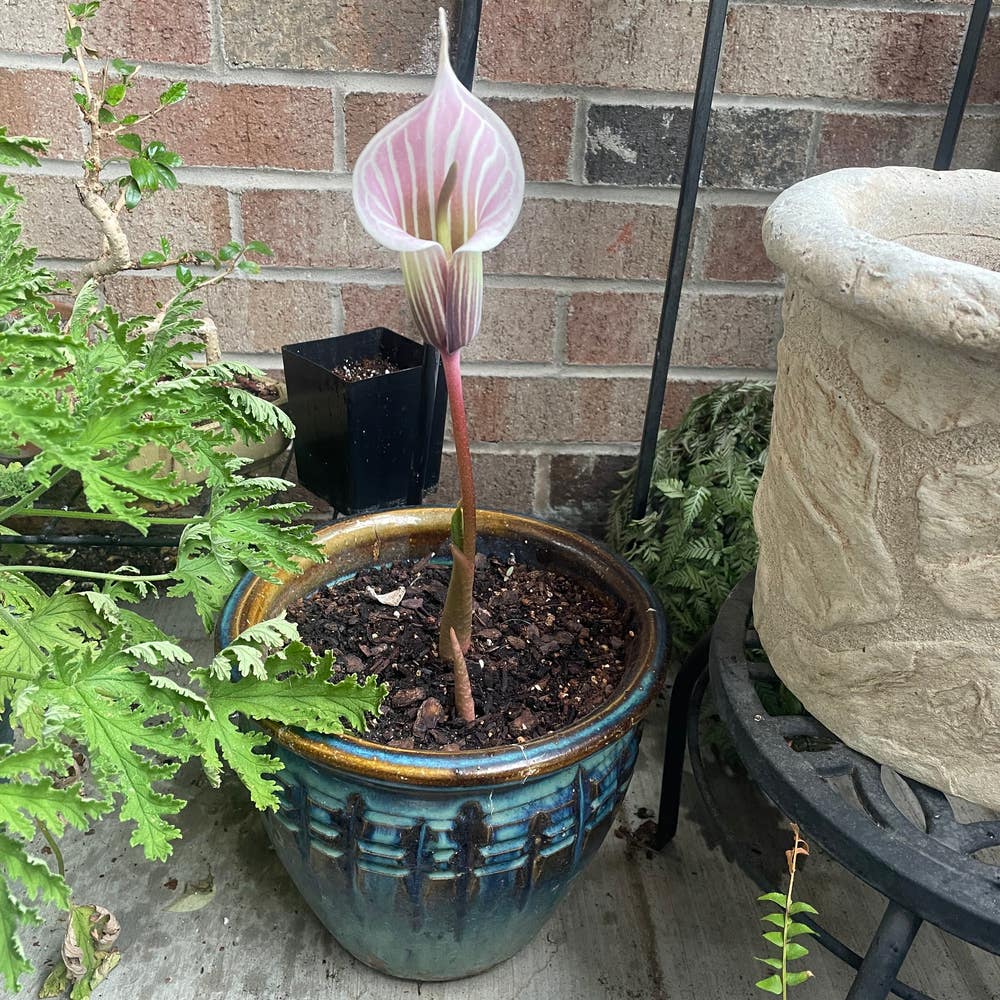
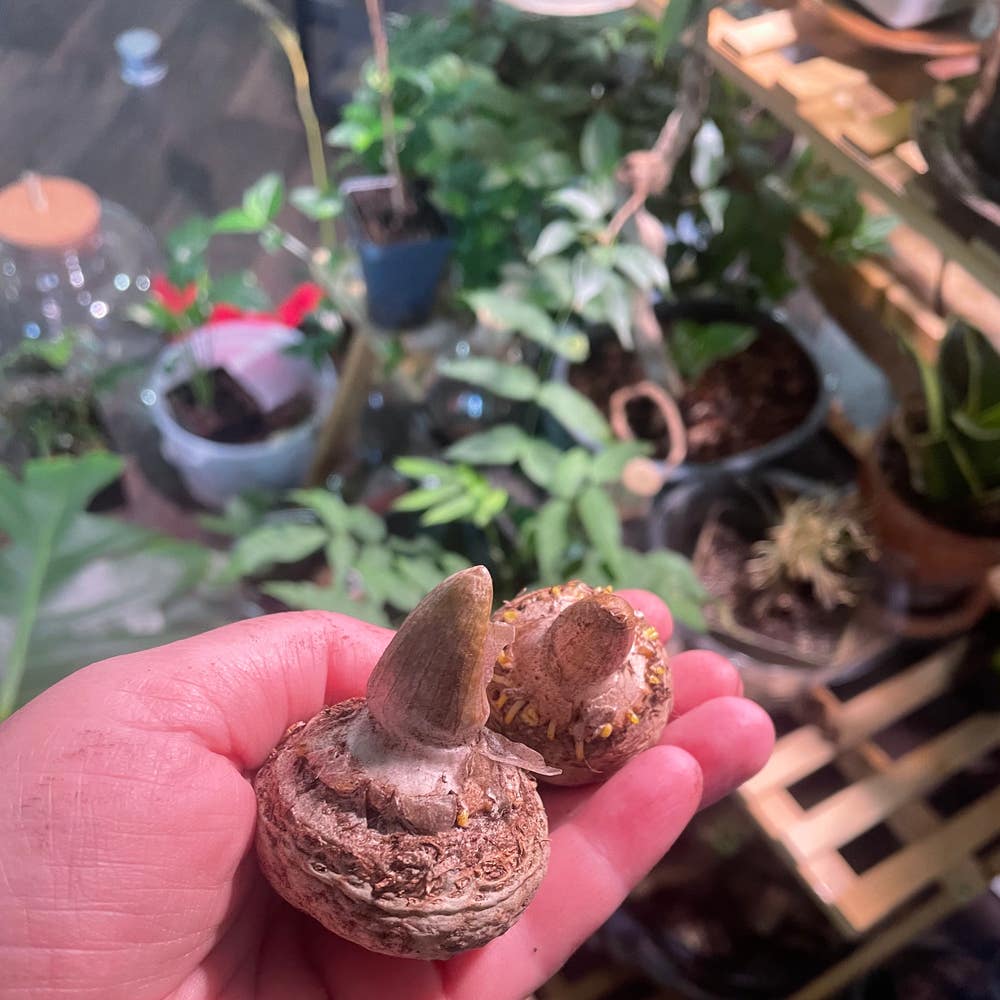
☀️ Ultimate Guide to Direct Sunlight for Jack-in-the-Pulpit
Arisaema triphyllum
By the Greg Editorial Team
Oct 18, 2024•3 min read
This article was created with the help of AI so we can cover more plants for you. May contain errors. See one? Report it here.
Master Jack-in-the-Pulpit’s sunlight needs 🌞 for vibrant growth and a thriving garden! 🌱
- 🌳 Jack-in-the-Pulpit thrives in filtered light, not direct sunlight.
- ☀️ Excessive sunlight causes yellowing leaves and wilting; monitor exposure closely.
- 🪴 Eastern windows provide ideal light, while southern and western can harm the plant.
Jack-in-the-Pulpit Sunlight Needs
🌞 Does Jack-in-the-Pulpit Need Direct Sunlight?
Jack-in-the-Pulpit thrives in shaded areas and does not require direct sunlight. This unique plant naturally grows in damp, wooded environments where it enjoys filtered light.
☀️ Can Jack-in-the-Pulpit Tolerate Direct Sunlight?
While Jack-in-the-Pulpit can tolerate some direct sunlight, it should only be for short periods. Extended exposure can lead to leaf scorch and stunted growth, which can be detrimental to its health.
⚠️ Effects of Direct Sunlight on Jack-in-the-Pulpit Health
Excessive sunlight can manifest in several ways, including yellowing leaves, wilting, and reduced flowering. Regular monitoring is crucial to catch any signs of stress early, ensuring your plant remains healthy and vibrant.
Understanding these sunlight needs is essential for nurturing your Jack-in-the-Pulpit effectively. Next, we’ll explore how window direction impacts sunlight exposure for your plant.
Window Direction and Sunlight
🌞 Importance of Window Direction for Sunlight Exposure
The direction of your windows plays a crucial role in how much sunlight your Jack-in-the-Pulpit receives. South-facing windows bask in the most direct sunlight, while north-facing ones offer a more subdued, indirect light.
🌅 How Eastern and Western Windows Affect Sunlight Intensity
Eastern windows provide gentle morning sunlight, making them ideal for Jack-in-the-Pulpit. In contrast, western windows expose the plant to stronger afternoon rays, which can be too harsh.
🌍 Role of the Hemisphere in Sunlight Availability
Sunlight patterns vary significantly by hemisphere. The eastern hemisphere typically enjoys more consistent sunlight, while the western hemisphere experiences greater variability due to seasonal changes and geographical factors.
Understanding these dynamics can help you position your Jack-in-the-Pulpit for optimal growth. Next, let’s explore how seasonal changes in sunlight impact this unique plant.
Environmental Considerations
🌞 Seasonal Changes in Sunlight and Their Impact on Jack-in-the-Pulpit
Seasons play a crucial role in determining light availability for Jack-in-the-Pulpit. During summer, longer days provide ample light, while winter brings shorter days that can limit exposure.
Adjusting care based on these seasonal changes is essential. In summer, you might need to monitor for signs of stress, while in winter, ensuring the plant gets enough indirect light becomes a priority.
🏡 How to Assess Sunlight in Your Home for Jack-in-the-Pulpit
Measuring sunlight exposure in your home can be straightforward. You can use a light meter for precise readings or simply observe light patterns throughout the day.
Identifying the best spots for your Jack-in-the-Pulpit is key to its health. Look for areas that receive consistent, filtered light, ensuring your plant thrives in its ideal environment.
Understanding these environmental considerations will help you provide the best care for your Jack-in-the-Pulpit. Next, let’s explore common misconceptions about this fascinating plant and its sunlight needs.
Common Misconceptions
🌞 Myths About Jack-in-the-Pulpit and Sunlight
One common misconception is that Jack-in-the-Pulpit can thrive in full sun. In reality, this plant is a shade-loving species that prefers indirect light.
🌳 Clarifying the Needs of Shade-Loving Plants
Understanding plant preferences is crucial for successful gardening. Not all plants can handle direct sunlight, and Jack-in-the-Pulpit is a prime example of this.
Researching specific plant needs can lead to better care and healthier growth. By recognizing these preferences, you can create an optimal environment for your Jack-in-the-Pulpit.
As you explore the best conditions for this unique plant, remember that knowledge is your best tool. Embrace the journey of learning about your plants, and you'll be rewarded with vibrant growth and beauty.
⚠️ Safety First
This content is for general information and may contain errors, omissions, or outdated details. It is not medical, veterinary advice, or an endorsement of therapeutic claims.
Always consult a qualified healthcare professional before using any plant as food, medicine, or supplement.
Never eat any plant (or feed one to pets) without confirming its identity with at least two trusted sources.
If you suspect poisoning, call Poison Control (800) 222-1222, the Pet Poison Helpline (800) 213-6680, or your local emergency service immediately.
Spotted an error? Please report it here.
Nurture your Jack-in-the-Pulpit with filtered light mastery 🌞—let Greg guide you with tailored care tips and light assessments for a thriving plant!