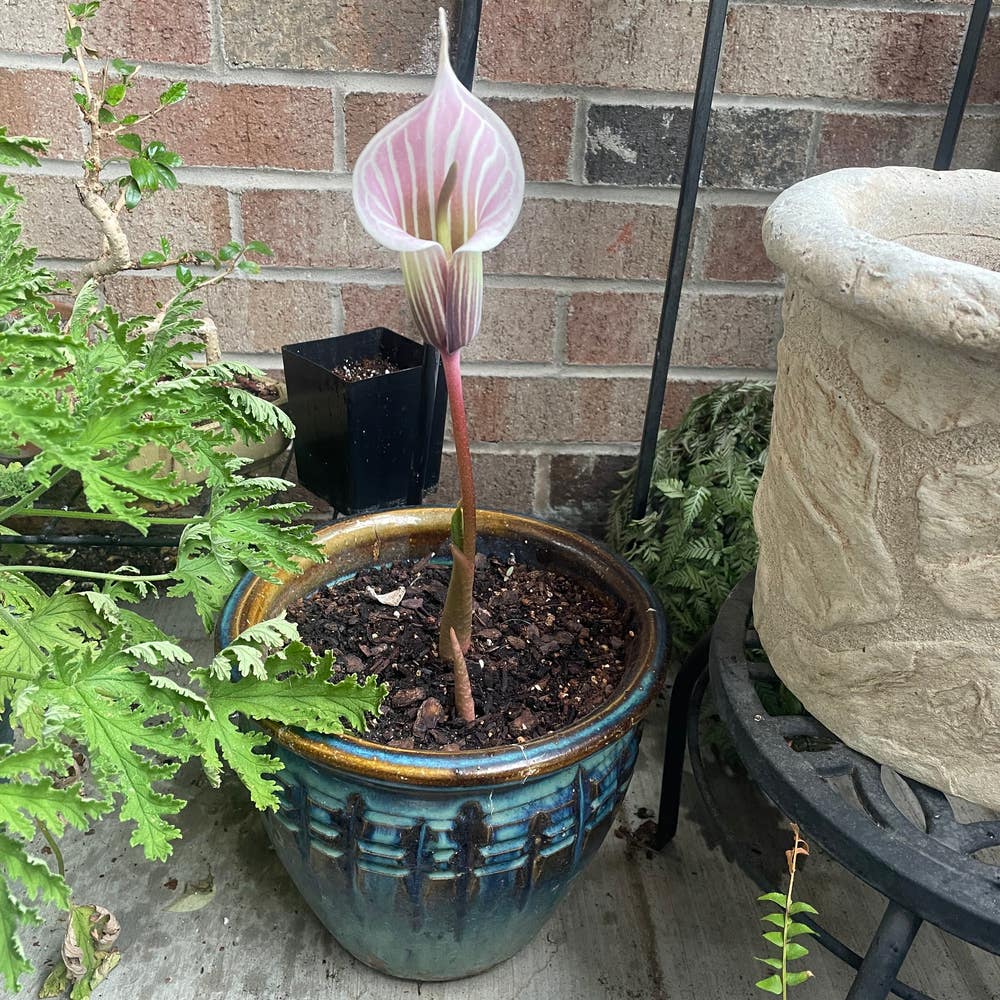
🎩 Jack-in-the-Pulpit Fertilizer: How and When to Use It
Arisaema triphyllum
By the Greg Editorial Team
Oct 18, 2024•5 min read
This article was created with the help of AI so we can cover more plants for you. May contain errors. See one? Report it here.
Transform your Jack-in-the-Pulpit 🌱 into a vibrant centerpiece with essential nutrients and expert fertilization tips!
- 🌱 Jack-in-the-Pulpit needs balanced nutrients: nitrogen, phosphorus, and potassium for growth.
- 🕒 Best fertilization times are early spring, mid-summer, and light fall applications.
- ⚖️ Avoid over-fertilization by conducting soil tests and following recommended guidelines.
Nutrient Needs
🌱 Essential Nutrients
Jack-in-the-Pulpit thrives on a balanced diet of essential nutrients.
Nitrogen is crucial for promoting leaf development and creating lush foliage. It helps the plant grow strong and vibrant, making it a standout in your garden.
Phosphorus plays a critical role in root development and blooming. This nutrient ensures that your plant establishes a solid foundation and produces beautiful flowers.
Potassium enhances overall plant health and boosts disease resistance. It acts as a protector, helping your Jack-in-the-Pulpit withstand various environmental stresses.
⚖️ Soil pH Considerations
Understanding soil pH is vital for optimal nutrient uptake.
The ideal pH range for Jack-in-the-Pulpit is slightly acidic to neutral, specifically between 6.0 and 7.0.
When the pH is within this range, nutrients are more readily available to the plant. If the pH strays too far from this zone, nutrient absorption can be hindered, leading to deficiencies and poor growth.
Maintaining the right pH not only supports nutrient availability but also promotes a healthy soil ecosystem.
With the right nutrients and pH balance, your Jack-in-the-Pulpit will flourish beautifully.
Next, let’s explore the types of fertilizers that can best support your plant's needs.
Types of Fertilizers
🌱 Organic vs. Synthetic
When it comes to fertilizing your Jack-in-the-Pulpit, you have two main options: organic and synthetic fertilizers. Organic choices include compost, well-rotted manure, and organic granular fertilizers, all of which enhance soil structure and boost microbial activity.
On the flip side, synthetic fertilizers, particularly balanced NPK options, provide quick nutrient availability. However, they can lead to soil degradation over time, so weigh the pros and cons carefully.
💧 Slow-release vs. Liquid
Next up, consider the type of release mechanism. Slow-release fertilizers gradually release nutrients over time, minimizing the risk of over-fertilization. This is particularly beneficial for maintaining steady growth.
Liquid fertilizers, in contrast, act quickly and are perfect for those moments when your plants need an immediate nutrient boost. A recommended option is a 10-10-10 NPK fertilizer, which offers balanced nutrition for your plants.
Understanding these types of fertilizers will help you make informed choices that support your Jack-in-the-Pulpit’s health and vitality. Now, let’s dive into the best application techniques to ensure your plants thrive!
Application Techniques
Best Practices 🌱
When applying fertilizer to your Jack-in-the-Pulpit, consider two effective techniques. First, surface application involves spreading the fertilizer evenly around the base of the plant, ensuring that nutrients are accessible.
Alternatively, you can incorporate the fertilizer into the soil. Mixing it into the top 2-3 inches enhances absorption, allowing the roots to access the nutrients more effectively.
Timing ⏰
Timing your fertilizer application is crucial for optimal growth. Early spring is the best time to fertilize, just before new growth begins, setting your plant up for success.
Mid-summer is another key period for maintenance. A boost during this time supports blooming and overall health.
Lastly, consider a light application in the fall. This prepares your Jack-in-the-Pulpit for winter dormancy, ensuring it has the nutrients it needs to thrive come spring.
With these application techniques and timing tips, your Jack-in-the-Pulpit will be well-equipped to flourish. Next, let’s explore the recommended dosage for fertilization to ensure you’re giving your plant just the right amount.
Recommended Dosage
🌱 General Guidelines
When it comes to fertilizing your Jack-in-the-Pulpit, start with an initial application of 1 tablespoon of balanced fertilizer per plant. This amount provides a solid foundation for growth, but be ready to adjust based on the size and growth stage of your plants.
🧪 Adjusting Based on Soil Conditions
To ensure your plants thrive, testing soil nutrient levels is crucial. A soil test kit can give you an accurate assessment, helping you determine if your soil is nutrient-deficient or rich.
If your soil lacks nutrients, consider increasing the dosage up to 2 tablespoons. Conversely, if your soil is already nutrient-rich, reduce the dosage to ½ tablespoon to prevent over-fertilization.
By keeping an eye on your soil conditions and adjusting accordingly, you can foster a healthy environment for your Jack-in-the-Pulpit to flourish.
Next, let's explore the signs and remedies for over-fertilization to ensure your plants remain healthy and vibrant.
Signs and Remedies for Over-Fertilization
Symptoms 🌱
Over-fertilization can sneak up on you, leading to several telltale signs.
- Leaf Burn: Look for browning at the tips and edges of leaves, a clear indication that your plant is overwhelmed.
- Stunted Growth: If your Jack-in-the-Pulpit isn't producing new leaves or flowers, it might be time to reassess your fertilization strategy.
- Root Burn: Wilting plants, even with adequate watering, can signal root burn from excess nutrients.
Remedies 🛠️
If you suspect over-fertilization, don’t panic; there are effective remedies to restore balance.
- Flushing the Soil: Water your plants thoroughly to help leach out excess nutrients. This can help reset the nutrient levels in the soil.
- Adjusting Future Practices: Going forward, reduce both the frequency and dosage of fertilizer applications. This will help prevent a recurrence and keep your plants thriving.
By staying vigilant and responsive to these signs, you can ensure your Jack-in-the-Pulpit remains healthy and vibrant. Next, let’s explore some common mistakes gardeners make when fertilizing.
Common Mistakes
Over-fertilization 🌱
Over-fertilization is a common pitfall for many gardeners. Misjudging the dosage and frequency can lead to nutrient overload, harming your Jack-in-the-Pulpit.
To prevent this, conduct regular soil testing. Following recommended guidelines will help you apply the right amount of fertilizer.
Ignoring Soil Conditions 🧪
Understanding your soil's nutrient levels is crucial. Ignoring these conditions can result in ineffective fertilization and unhealthy plants.
Adjust your fertilization approach based on specific soil needs. Tailoring your strategy ensures your plants receive the nutrients they require.
Timing Errors ⏰
Timing is everything when it comes to fertilization. Fertilizing too late in the season can hinder blooming and overall plant health.
Stick to a seasonal fertilization schedule. This will maximize the benefits of your efforts and keep your Jack-in-the-Pulpit thriving.
With these common mistakes in mind, you can cultivate a healthier garden. Next, let’s explore the signs and remedies for over-fertilization to ensure your plants stay in top shape.
⚠️ Safety First
This content is for general information and may contain errors, omissions, or outdated details. It is not medical, veterinary advice, or an endorsement of therapeutic claims.
Always consult a qualified healthcare professional before using any plant as food, medicine, or supplement.
Never eat any plant (or feed one to pets) without confirming its identity with at least two trusted sources.
If you suspect poisoning, call Poison Control (800) 222-1222, the Pet Poison Helpline (800) 213-6680, or your local emergency service immediately.
Spotted an error? Please report it here.
Feed your Jack-in-the-Pulpit like a pro 🌿 with Greg's personalized fertilization reminders and soil testing tools, ensuring it gets the nutrients it craves for vibrant growth!