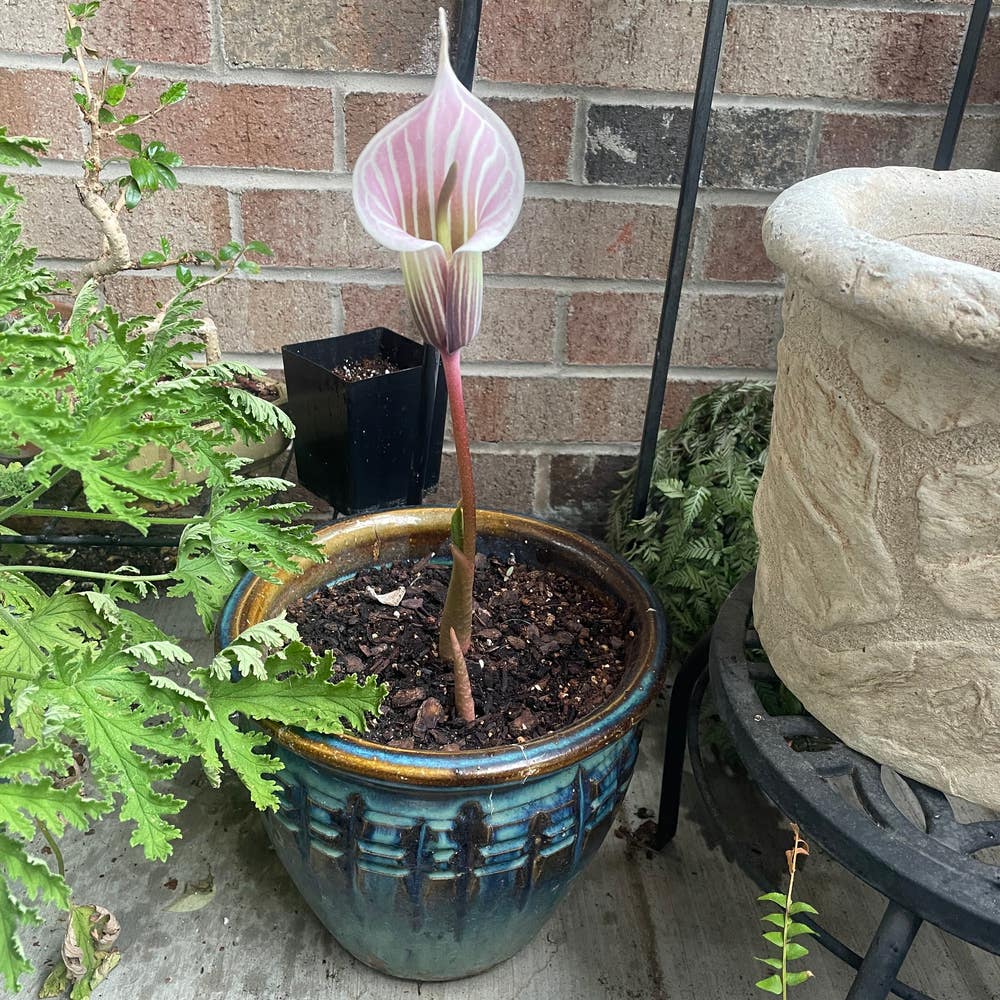
🎩 Jack-in-the-Pulpit: A Perennial Plant
Arisaema triphyllum
By the Greg Editorial Team
Oct 18, 2024•4 min read
This article was created with the help of AI so we can cover more plants for you. May contain errors. See one? Report it here.
Cultivate Jack-in-the-Pulpit 🌱 for a thriving, low-maintenance garden that blooms year after year! 🌼
- 🌱 Jack-in-the-Pulpit is a resilient perennial, thriving for 10-20 years with proper care.
- 🌳 Ideal for moist, shaded areas, this plant reduces replanting efforts once established.
- 🌿 Understanding its seasonal needs ensures vibrant growth and a beautiful landscape.
Characteristics of Jack-in-the-Pulpit as a Perennial
🌱 Multi-Year Lifecycle
Jack-in-the-Pulpit is a fascinating perennial that thrives through a multi-year lifecycle. It begins its journey with spring emergence, where the plant breaks through the soil, eager to soak up the sunlight.
During summer, it grows robustly and produces its unique flowers. As autumn approaches, the plant prepares for dormancy, drawing energy back into its roots for the winter ahead.
🌿 Regrowth from Roots
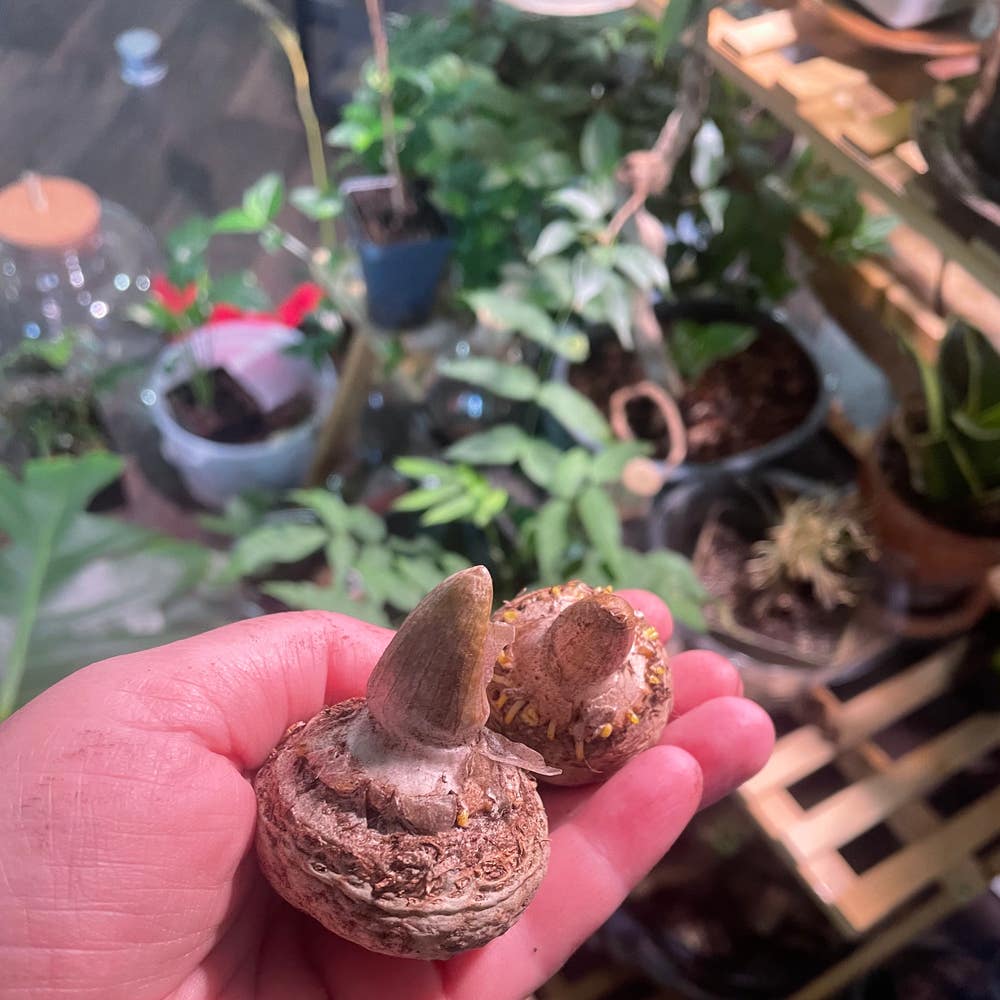
The root system of Jack-in-the-Pulpit plays a crucial role in its perennial nature. These roots store nutrients and energy, allowing the plant to regrow each spring.
Healthy roots are vital for the plant's longevity. They not only support growth but also help the plant withstand various environmental challenges.
❄️ Seasonal Changes and Dormancy
As winter sets in, Jack-in-the-Pulpit enters a state of dormancy. This period is essential for energy conservation and protecting the roots from harsh conditions.
Indicators of dormancy include leaf dieback and a noticeable absence of growth. These signs signal that the plant is resting, preparing for the next cycle.
🌼 Spring Awakening
When spring arrives, Jack-in-the-Pulpit resumes growth, typically around late March to early April. Factors like temperature and moisture levels significantly influence this awakening.
A warm, moist environment can prompt earlier growth, while cooler conditions may delay it. Understanding these dynamics can help gardeners anticipate the plant's needs.
This cyclical nature of Jack-in-the-Pulpit not only showcases its resilience but also sets the stage for the advantages of its perennial characteristics. Next, we’ll explore the benefits this plant offers to gardeners.
Advantages of Perennial Nature
🌱 Benefits for Gardeners
Jack-in-the-Pulpit offers significant advantages for gardeners, primarily through reduced replanting efforts. Once established, these plants become a long-term investment, saving you time and money.
Their robust root systems enhance drought resistance and improve nutrient uptake. This means less worry about watering and feeding, allowing you to focus on enjoying your garden.
⏳ Lifespan and Longevity Factors
In optimal conditions, Jack-in-the-Pulpit can live for 10-20 years or more. However, this lifespan can vary based on environmental factors like soil quality and moisture levels.
Climate zones also play a crucial role in their longevity. Temperature and moisture affect growth, while adaptability to varying light conditions—from partial to full shade—ensures these plants thrive in diverse settings.
Understanding these factors can help you maximize the benefits of your perennial garden. With the right care, Jack-in-the-Pulpit can be a lasting and beautiful addition to your landscape.
Next, let’s explore how to maximize the benefits of these perennials through effective garden planning and cultivation strategies.
Maximizing Perennial Benefits
Tips for Garden Planning 🌳
Choosing the right planting location is crucial for the success of your Jack-in-the-Pulpit. These plants thrive in moist, shaded areas, making woodland settings ideal.
Consider the moisture levels in your garden. Jack-in-the-Pulpit prefers consistently damp soil, so ensure it’s not in a spot that dries out quickly.
Companion planting can also enhance your garden's ecosystem. Pairing Jack-in-the-Pulpit with other woodland species can improve biodiversity and create a more resilient environment.
Long-Term Cultivation Strategies 🌱
Maintenance is key to keeping your Jack-in-the-Pulpit healthy. Regular mulching helps retain moisture and suppress weeds, allowing your plants to flourish.
Keep an eye out for pests and diseases. Monitoring your plants regularly can prevent small issues from becoming significant problems.
During active growth periods, fertilization can give your plants a boost. Use a balanced fertilizer to support their development and ensure vibrant growth.
As autumn approaches, prepare your plants for dormancy. This involves reducing watering and allowing the foliage to die back naturally, which helps protect the roots.
By following these tips, you can maximize the benefits of your perennial Jack-in-the-Pulpit and enjoy its beauty for years to come. Next, let’s explore the advantages of its perennial nature in more detail.
⚠️ Safety First
This content is for general information and may contain errors, omissions, or outdated details. It is not medical, veterinary advice, or an endorsement of therapeutic claims.
Always consult a qualified healthcare professional before using any plant as food, medicine, or supplement.
Never eat any plant (or feed one to pets) without confirming its identity with at least two trusted sources.
If you suspect poisoning, call Poison Control (800) 222-1222, the Pet Poison Helpline (800) 213-6680, or your local emergency service immediately.
Spotted an error? Please report it here.
Cultivate the enduring beauty of Jack-in-the-Pulpit 🌿 with Greg's personalized care reminders and expert tips, ensuring your resilient perennial thrives effortlessly for years to come!