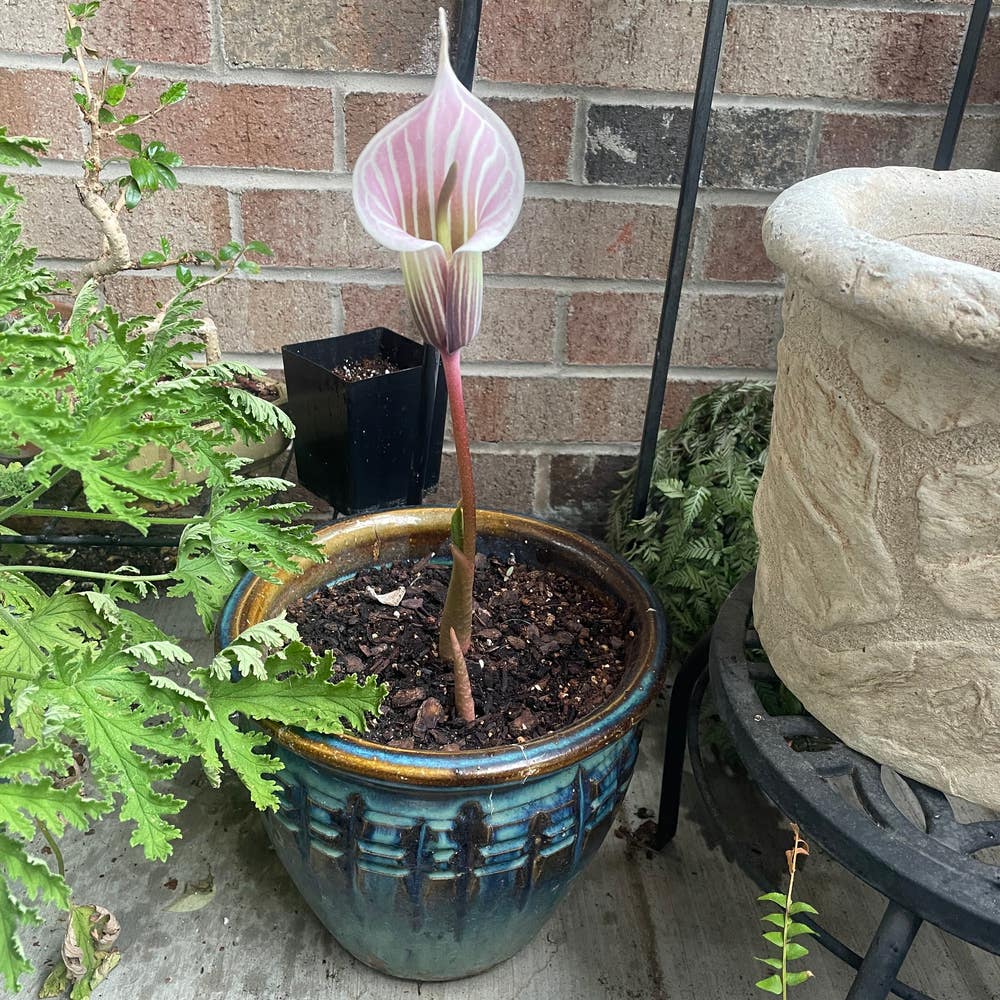
Mature Height of Your Jack-in-the-Pulpit 🍄
Arisaema triphyllum
By the Greg Editorial Team
Oct 18, 2024•5 min read
This article was created with the help of AI so we can cover more plants for you. May contain errors. See one? Report it here.
Master Jack-in-the-Pulpit growth 🌱 with essential tips for thriving plants and effective size control techniques!
- 🌱 Jack-in-the-Pulpit grows about 1 foot annually in optimal conditions.
- 🌞🌳 Partial shade promotes faster growth than full sun; soil quality matters too.
- ⏳ Full height takes 3 to 5 years, influenced by water, light, and nutrients.
Growth Rate
Average Growth Rate in Optimal Conditions 🌱
Jack-in-the-Pulpit typically grows about 1 foot per year under ideal conditions. This plant thrives during the spring and summer, showcasing its vibrant growth during these active seasons.
Comparison of Growth Rates in Varying Environments 🌍
Growth rates can vary significantly based on environmental factors. In shaded areas, Jack-in-the-Pulpit flourishes, while full sun can slow its growth considerably.
Soil quality plays a crucial role as well. Rich, loamy soils promote faster growth compared to poor, compacted soils.
When compared to other woodland plants, Jack-in-the-Pulpit holds its own. Its growth rate is competitive, making it a resilient choice for shaded gardens.
Understanding these growth dynamics can help you create the perfect environment for your Jack-in-the-Pulpit. Next, we’ll explore how long it takes for this fascinating plant to reach its full size.
Time to Reach Full Size
🕒 Timeline for Reaching Mature Dimensions
Jack-in-the-Pulpit typically takes 3 to 5 years to reach its full height. This growth period can vary based on several factors, including soil nutrients, water availability, and light exposure.
🌱 Factors Affecting Time to Maturity
Environmental stressors can significantly impact growth. For instance, drought or excessive shade can delay the plant's maturity.
Additionally, competition with surrounding flora plays a crucial role. If other plants are vying for resources, Jack-in-the-Pulpit may struggle to reach its full potential.
Understanding these factors can help you create an optimal environment for your Jack-in-the-Pulpit, ensuring it thrives and matures within the expected timeframe. Next, let’s explore the size variability among different Jack-in-the-Pulpit varieties.
Size Variability
🌱 Discussion of Dwarf Varieties
Dwarf Jack-in-the-Pulpit varieties typically reach heights of about 1 to 2 feet. These compact plants exhibit similar growth habits to their taller counterparts but thrive in smaller spaces, making them perfect for gardens with limited room.
Ideal conditions for dwarf varieties include well-draining, rich soil and partial shade. They flourish when given the right balance of moisture and light, ensuring vibrant growth without overwhelming their petite stature.
🌳 Overview of Giant Varieties
On the other end of the spectrum, giant Jack-in-the-Pulpit can exceed heights of 4 feet. These impressive plants not only dominate the landscape but also create a striking focal point in any garden.
To promote larger growth, ensure they have access to rich soil and ample moisture. These conditions allow them to reach their full potential, showcasing their grandeur.
🌦️ Environmental Factors Leading to Size Variability
Microclimates play a significant role in the size variability of Jack-in-the-Pulpit. Variations in moisture and light within the same area can lead to noticeable differences in plant height and health.
Soil composition also affects growth potential. Different soil types can either hinder or enhance the growth of these plants, making it crucial to understand the specific needs of your Jack-in-the-Pulpit to achieve the desired size.
As you explore the fascinating world of Jack-in-the-Pulpit, consider how these size variations can add depth and interest to your garden. Next, we’ll delve into controlling the size of these unique plants to fit your landscape perfectly.
Controlling Size
✂️ Pruning Techniques for Size Control
Pruning is essential for managing the size of your Jack-in-the-Pulpit. The best time to prune is in early spring, just before new growth begins, as this encourages a more compact form.
Use clean, sharp pruning shears to make effective cuts. This not only promotes healthy growth but also minimizes the risk of disease.
🌱 Other Methods to Manage Growth
Creating physical barriers can help control root spread. Installing root barriers around your plants can effectively limit their growth area.
Adjusting soil conditions is another way to influence size. By managing nutrient levels, you can encourage more compact growth, ensuring your Jack-in-the-Pulpit thrives without becoming overly large.
These techniques can help you maintain a manageable size for your plants while keeping them healthy and vibrant. As you explore these methods, you’ll find the right balance for your garden, leading to a flourishing display of Jack-in-the-Pulpit.
Next, we’ll dive into the impact of growing conditions on the size of your plants.
Impact of Growing Conditions
🌱 Soil Type and Its Effect on Size
Jack-in-the-Pulpit thrives in well-draining, rich loam. Poor, compacted soils can stunt growth and limit the plant's potential.
Nutrient availability plays a crucial role in development. Adding organic matter or fertilizers can significantly enhance growth, allowing these plants to reach their full size.
☀️ Light Conditions and Their Influence on Growth
Optimal light exposure for Jack-in-the-Pulpit is partial shade. While they can tolerate some sun, too much can hinder their growth and flowering.
Light directly affects plant health. Adequate light ensures vibrant blooms and robust foliage, making it essential for a thriving garden.
💧 Moisture Levels and Their Role in Plant Dimensions
Consistent moisture is vital for healthy growth. It directly impacts the plant's size and overall vitality.
Drought conditions can lead to stunted growth. Ensuring regular watering can help maintain the height and health of your Jack-in-the-Pulpit.
Understanding these growing conditions is key to nurturing your plants effectively. Next, we’ll explore how to control their size through various techniques.
⚠️ Safety First
This content is for general information and may contain errors, omissions, or outdated details. It is not medical, veterinary advice, or an endorsement of therapeutic claims.
Always consult a qualified healthcare professional before using any plant as food, medicine, or supplement.
Never eat any plant (or feed one to pets) without confirming its identity with at least two trusted sources.
If you suspect poisoning, call Poison Control (800) 222-1222, the Pet Poison Helpline (800) 213-6680, or your local emergency service immediately.
Spotted an error? Please report it here.
Unlock the full potential of your Jack-in-the-Pulpit 🌱 with Greg's tailored care reminders and tips, ensuring your plants thrive in their perfect environment!