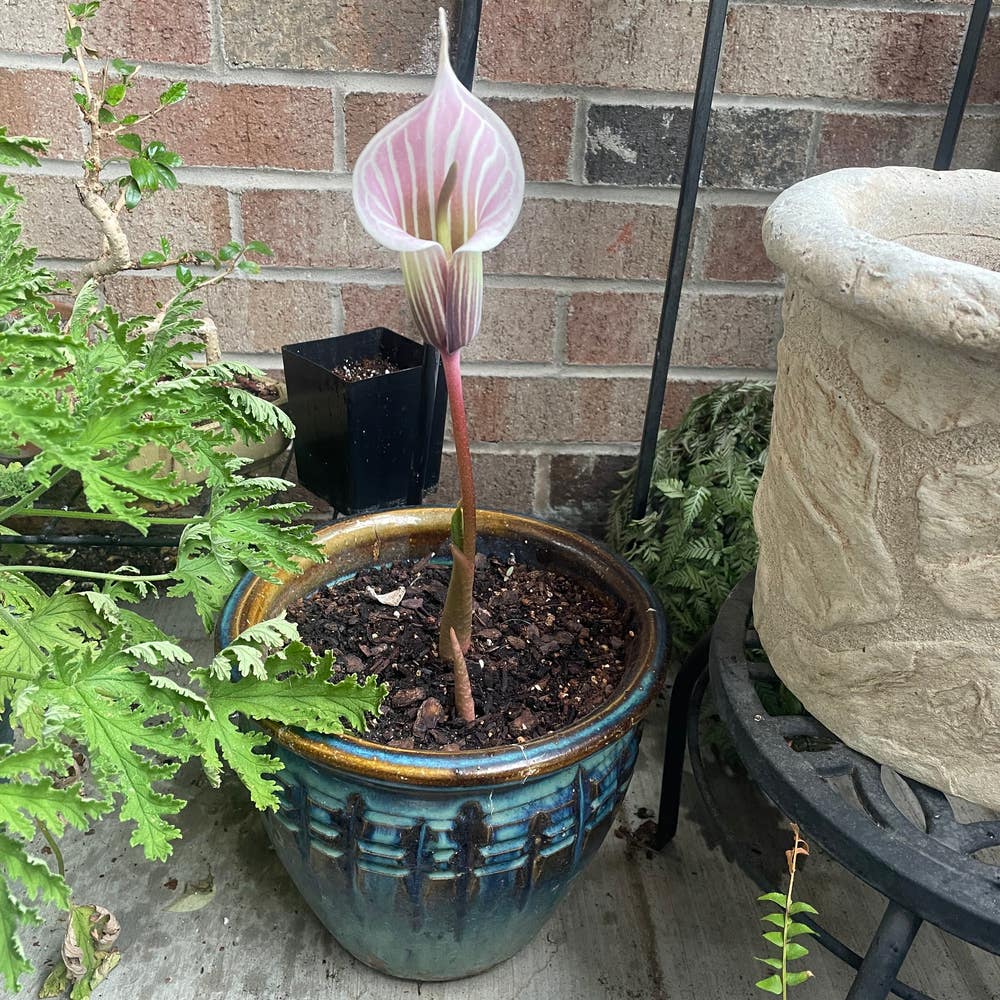
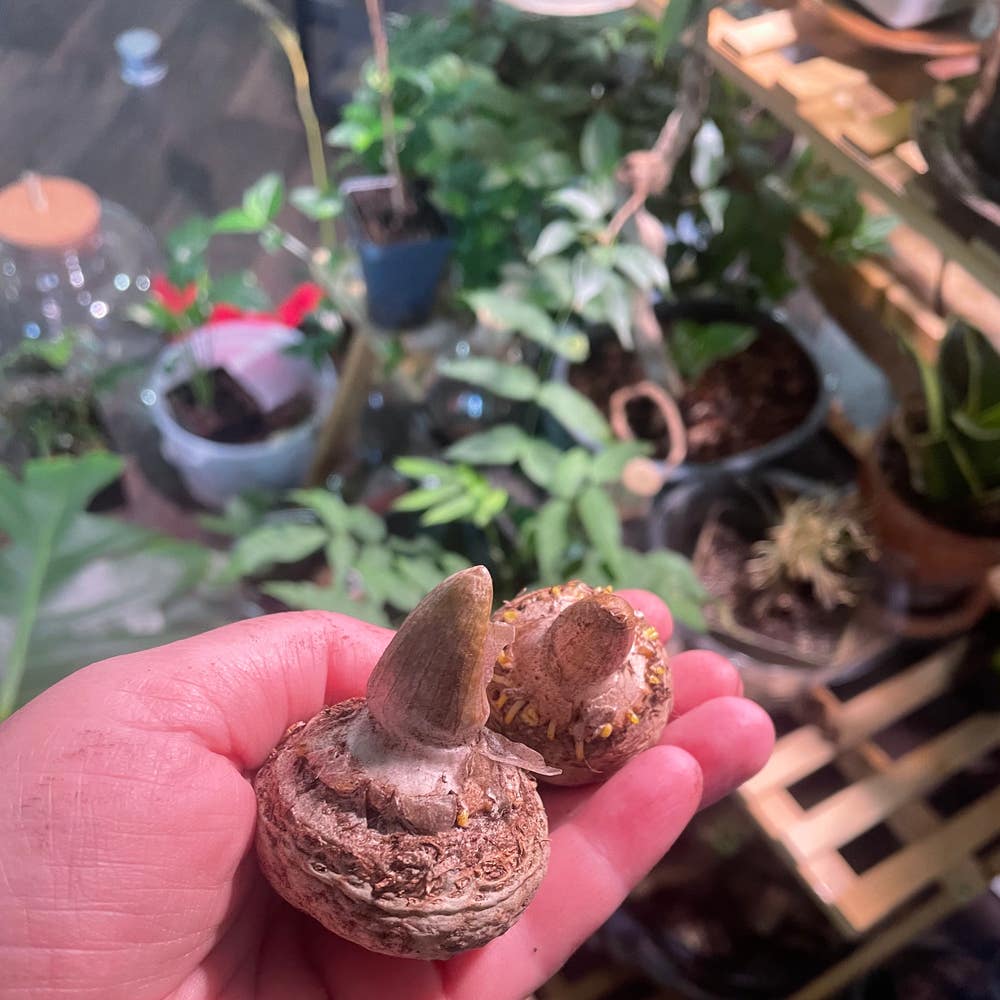
How Do I Fix Jack in the Pulpit Root Rot?
Arisaema triphyllum
By the Greg Editorial Team
Mar 05, 2024•3 min read
This article was created with the help of AI so we can cover more plants for you. May contain errors. See one? Report it here.
Rescue your wilting Jack in the Pulpit 🌱 and prevent future root rot with this life-saving guide!
- Yellow leaves, wilting stems, and bad odors signal root rot.
- Prune damaged roots, repot with drainage to fix root rot.
- Prevent future rot with proper watering, soil, and environment.
Spotting the Red Flags: Symptoms of Root Rot
🚩 Visual Clues: Leaves and Stems
Yellowing leaves and wilting stems are the plant's distress signals. They're not just having a bad day; they're screaming for help. Keep an eye out for these visual cues, as they often precede more serious symptoms.
🕵️ Below the Surface: Root Inspection
Gently unearth your Jack in the Pulpit to take a peek at its roots. If they're looking more like soggy, discolored strings of spaghetti than firm, white tendrils, you've got a problem. This is root rot's calling card.
👃 Smell Test: Detecting Foul Odors
Trust your nose—if there's a stench of decay coming from the soil, it's not just bad luck. That foul odor is a telltale sign that the roots are rotting away. Don't ignore it; your plant's life may depend on your olfactory investigation.
Emergency Response: Treating Root Rot
🚑 Immediate Actions
When root rot rears its ugly head in your Jack in the Pulpit, time is of the essence. Remove the plant from its pot with the urgency of a first responder. Gently rinse the roots to wash away the soil, setting the stage for a thorough inspection.
💉 Surgical Precision: Pruning the Damage
Next, channel your inner surgeon. Sterilize your shears and meticulously cut away the mushy, discolored roots. It's a delicate operation; remove only the compromised parts to preserve the plant's vitality.
🏡 Rehoming Your Plant: Soil and Pot Considerations
After the operation, it's time for a fresh start. Choose a new pot with ample drainage holes and fill it with a well-draining soil mix. This isn't just a new pot; it's a lifeline for your recovering plant.
🚨 Aftercare: Monitoring and Maintenance
Post-repotting, adopt the vigilance of a hawk. Monitor your plant's condition, adjusting water and light as needed. Remember, overzealous care can be as harmful as neglect, so resist the urge to overwater or fertilize.
Building Defenses: Preventing Future Root Rot
💧 Water Wisely: Irrigation Techniques
Proper watering is crucial. Overwatering is like giving your plants a one-way ticket to Soggy Town. Stick your finger into the soil; if the top inch is dry, it's time to water. If not, hold off. Embrace the less-is-more approach, especially during the plant's low-thirst winter phase.
🏗️ The Right Foundation: Soil and Drainage
Soil selection is a game-changer. Aim for a mix that's the botanical equivalent of a breathable fabric—light, airy, and quick-draining. Ingredients like peat, perlite, and vermiculite are your allies. Ensure your pot has drainage holes; they're non-negotiable. They act as bouncers, keeping excess water out.
🌡️ Environmental Watch: Humidity and Temperature
Balance is key. Too much humidity is a party invitation for root rot. Keep the air around your Jack in the Pulpit just right—not too muggy, not too dry. Consider a dehumidifier or moving your plant to a less damp location if needed. Remember, environmental harmony is essential for plant health.
⚠️ Safety First
This content is for general information and may contain errors, omissions, or outdated details. It is not medical, veterinary advice, or an endorsement of therapeutic claims.
Always consult a qualified healthcare professional before using any plant as food, medicine, or supplement.
Never eat any plant (or feed one to pets) without confirming its identity with at least two trusted sources.
If you suspect poisoning, call Poison Control (800) 222-1222, the Pet Poison Helpline (800) 213-6680, or your local emergency service immediately.
Spotted an error? Please report it here.
Avoid the dismay of jack in the pulpit root rot by letting Greg monitor 🌱 your plant's needs and adjust care for a thriving home environment.