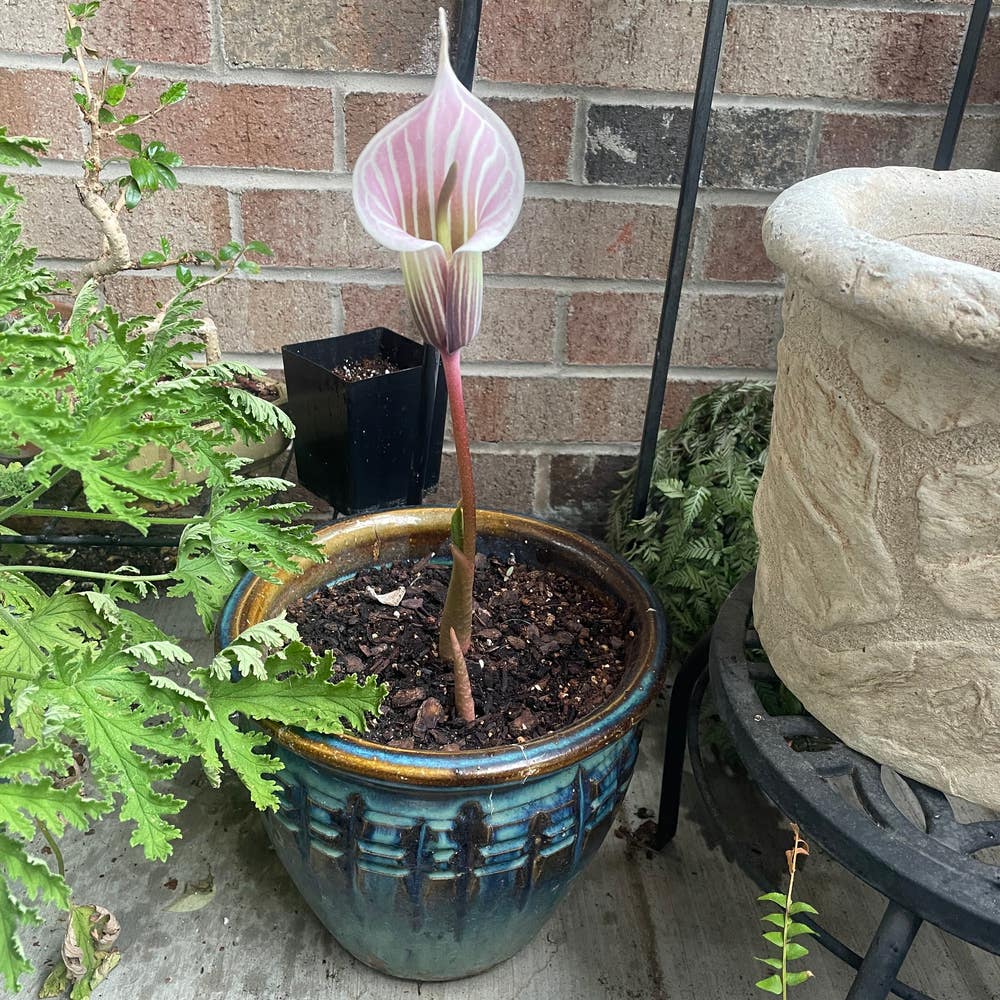
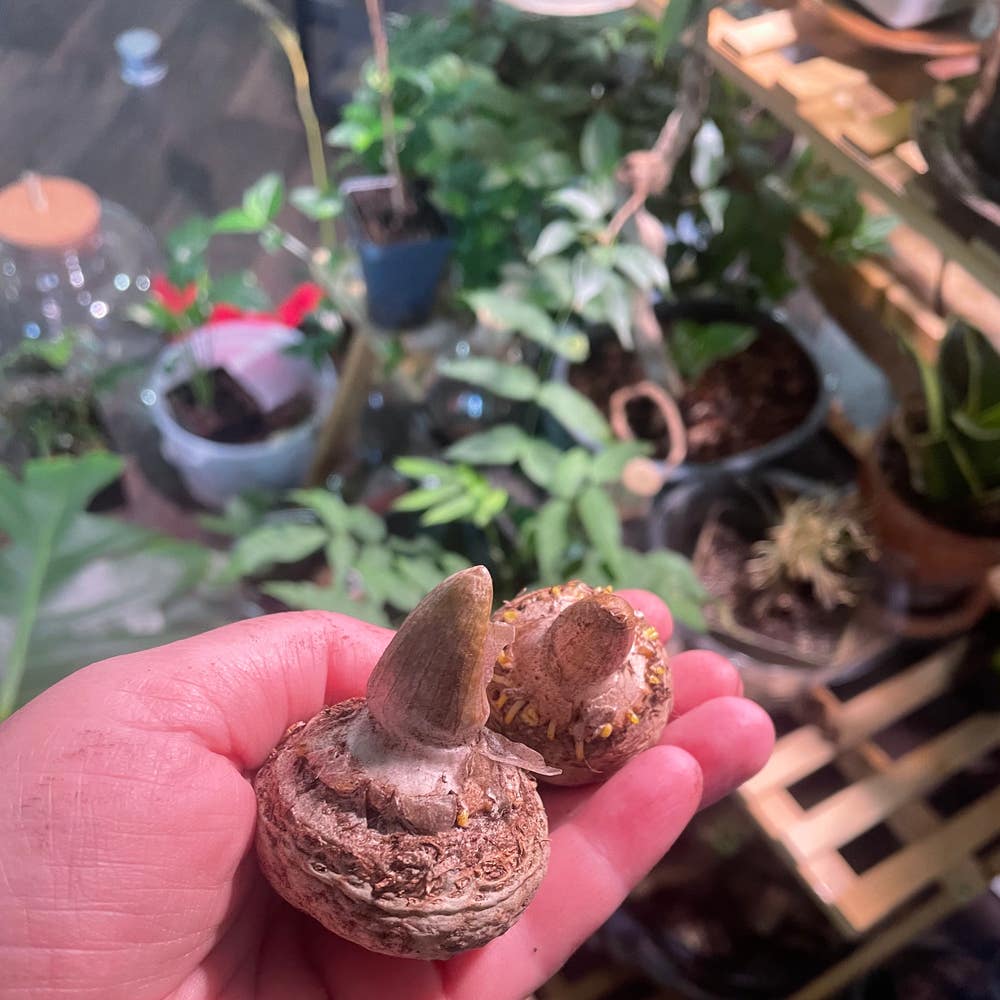
How to Know When to Repot a Jack in the Pulpit?
Arisaema triphyllum
By the Greg Editorial Team
Mar 05, 2024•5 min read
This article was created with the help of AI so we can cover more plants for you. May contain errors. See one? Report it here.
Unearth the key to lush Jack in the Pulpit growth with timely repotting tips! 🌿🔍
- Root overcrowding and watering issues signal it's time to repot.
- Spring repotting aligns with Jack in the Pulpit's growth cycle.
- Choose the right pot size and material for optimal plant health.
Spotting the Telltale Signs It's Time to Repot
🌱 Root Tango in a Tiny Pot
When the roots of your Jack in the Pulpit start to resemble a crowded subway at rush hour, it's a clear sign they need a new venue. Overcrowding is obvious when roots spiral around the pot's interior or make a break for it through the drainage holes.
🍂 When Your Plant's Health Takes a Dip
If your plant's leaves are dropping faster than your friends after you start talking about your fantasy football league, it's time to reassess. Stunted growth and a lackluster appearance are your plant's non-verbal way of telling you it's cramped.
🚿 Watering Woes and Drainage Drama
When watering your plant feels like you're pouring your efforts down a drain, take note. If the soil dries out quicker than your last phone battery, or water zips through the pot without moistening the soil, your plant's roots are likely too snug in their current home.
Choosing the Best New Home for Your Plant
🌱 Size Matters: Picking the Right Pot Size
Selecting a new pot for your Jack in the Pulpit isn't just about aesthetics; it's about health. Too small, and you'll stunt its growth; too large, and you risk root rot from excess moisture. Aim for a pot 1-2 inches larger in diameter than the current one for slow growers, and 2-4 inches for the fast ones. Remember, it's not just a home—it's a growth enabler.
🏺 Material World: Pros and Cons of Pot Materials
When it comes to materials, it's a showdown between terracotta, plastic, and ceramic. Terracotta is the O.G. of breathability, preventing waterlogged roots but may have you watering more often due to its porous nature. Plastic is the lightweight champ, holding moisture like a pro, which can be a blessing or a curse, depending on your watering habits. Ceramic pots are the middleweights, offering less porosity than terracotta but more style points. Each has its place, but your Jack in the Pulpit's needs should dictate the final choice.
The Perfect Time to Make the Move
⏰ Syncing with Seasons: When to Repot
Spring is your green light for repotting Jack in the Pulpit. This season aligns with the plant's natural growth cycle, offering a supportive environment for root expansion and recovery. Avoid bloom time; repotting during this stage can interrupt the plant's showcase moment.
🛌 Avoiding the Sleepy Time: Steering Clear of Dormancy
Repotting during winter is like poking a bear during hibernation—not recommended. The plant's energy is conserved, and disturbing it could lead to stress or damage. Wait until the frost has thawed and your plant is waking up, ready to stretch its roots in a new pot.
The Repotting Rodeo: A Step-by-Step Guide
🌱 Gently Freeing Your Plant
Before you begin, water your Jack in the Pulpit lightly the day before to ease the transition. To remove the plant, tilt the pot and coax the plant out. If it resists, a gentle tap on the bottom or a slide of a knife around the inside edge might be necessary. Be as tender as if you're untangling fine jewelry.
🌿 Root Rehab: Inspecting and Pruning
Once out, it's time for a root health check. Shake off excess soil and look for roots that are dead, damaged, or suspiciously soft. With sterilized scissors, snip these troublemakers away. This isn't just a haircut; it's a strategic move for better growth.
🌱 Soil and Settling In: Completing the Repot
Select a pot that's a size up and ensure it has drainage holes. Cover these with mesh or coffee filters to prevent soil escape. Fill the new pot with a layer of potting mix designed for aroid plants, which typically includes peat, perlite, and pine bark. Rehome your plant, ensuring it's at the same depth as before. Add more mix, tap the pot to settle, but don't compact—think of it as fluffing a pillow, not packing a suitcase. Water thoroughly, but don't drown it; you're quenching thirst, not creating a swamp.
Post-Repot Pampering: Ensuring a Smooth Transition
💧 The First Watering: Hydration without Harm
After the repotting shuffle, hold off on watering for a day or two. This gives any damaged roots time to call a truce with their new surroundings. When it's time to water, go for a thorough soak, ensuring the water drains freely. Overwatering now is like throwing a life vest to someone in a kiddie pool—unnecessary and potentially problematic.
🚨 Stress Signs and How to Soothe Them
Post-repot, your plant might throw a bit of a fit. Drooping leaves or a sudden change in color are its way of saying, "I'm not okay." Don't freak out—just dial back on any grand gestures like direct sunlight or fertilizer parties. Keep the soil consistently moist, but not soggy, to avoid the drama of root rot. Remember, this is a time for gentle nurturing, not a boot camp for growth.
⚠️ Safety First
This content is for general information and may contain errors, omissions, or outdated details. It is not medical, veterinary advice, or an endorsement of therapeutic claims.
Always consult a qualified healthcare professional before using any plant as food, medicine, or supplement.
Never eat any plant (or feed one to pets) without confirming its identity with at least two trusted sources.
If you suspect poisoning, call Poison Control (800) 222-1222, the Pet Poison Helpline (800) 213-6680, or your local emergency service immediately.
Spotted an error? Please report it here.
Ensure your Jack in the Pulpit flourishes by spotting repotting cues and let Greg's PlantVision 🌱 effortlessly guide you to the ideal pot size for a seamless transition.