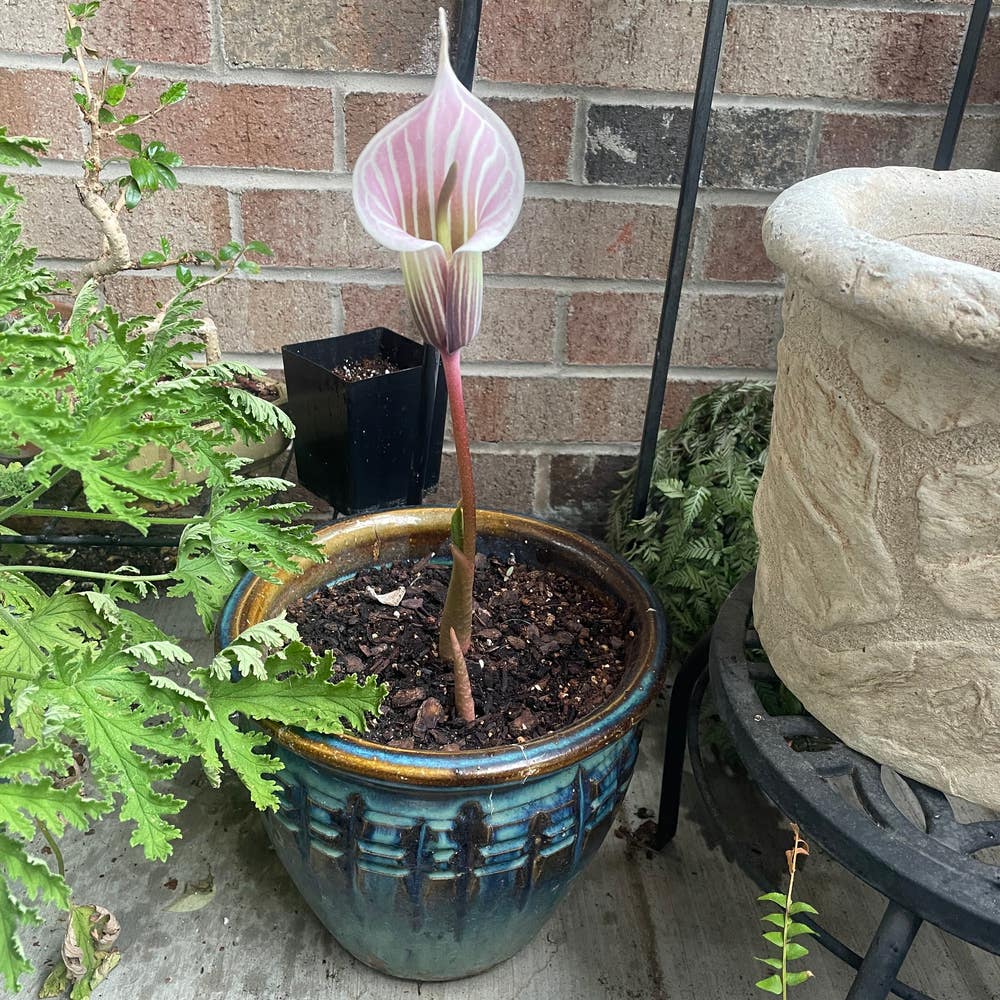
Why Are My Jack in the Pulpit Leaves Dropping?
Arisaema triphyllum
By the Greg Editorial Team
Mar 05, 2024•4 min read
This article was created with the help of AI so we can cover more plants for you. May contain errors. See one? Report it here.
Solve the leaf-drop puzzle 🍂 of your Jack in the Pulpit and ensure its lasting vibrancy.
- 🍂 Dormancy and maturity naturally cause leaf shedding in Jack in the Pulpit.
- 🚨 Yellowing, spots, mushiness signal distress; act quickly to address.
- 💧🌡️ Consistent moisture and stable temperatures are key to preventing leaf drop.
When Dropping Leaves is Normal
🍂 Seasonal Changes
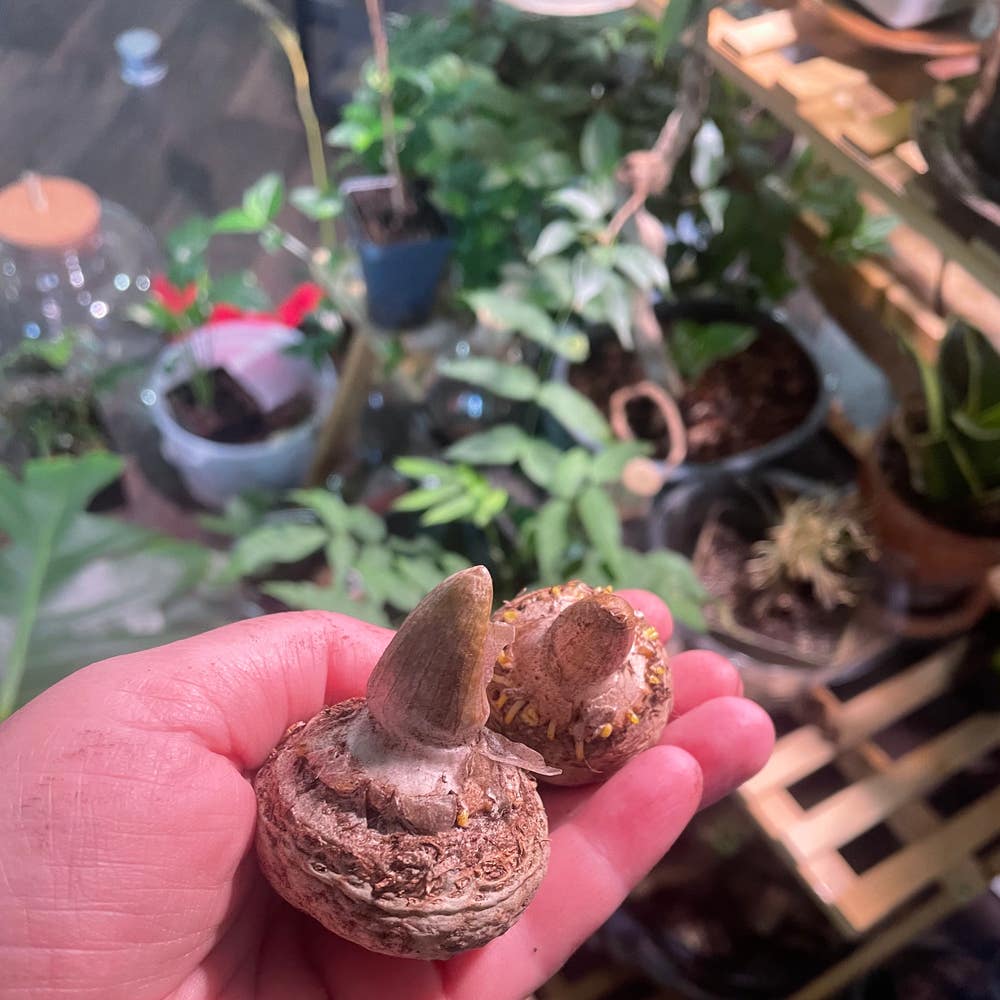
Dormancy is a rest period for Jack in the Pulpit, where leaf shedding is as expected as snow in winter. As the plant retreats into its underground corm, the leaves' departure signals a natural cycle, not a crisis.
🌱 Plant Maturity
As Jack in the Pulpit matures, older leaves bow out to make room for fresh growth. Natural aging shouldn't raise alarms; it's just the plant's way of keeping things fresh up top while the real magic happens below the soil.
Spotting Trouble: Signs of Distress
🚨 Visual Cues of Plant Distress
Yellowing leaves are the equivalent of a plant's distress signal. If your Jack in the Pulpit is shedding leaves at an alarming rate, it's time to sit up and take notice. Brown spots or a mushy texture on the leaves are not just unsightly; they're urgent cries for help.
⏰ Timing and Patterns
Consistent timing of leaf droopiness can point to environmental stressors. If the leaves seem to droop at certain times of the day or year, consider factors like light exposure, watering habits, or temperature changes.
🕵️ Subtle Changes
A slight shift in leaf color or a reduction in growth rate might be the only whisper of trouble before your plant starts screaming for attention. Catch these early, and you can avoid a full-blown plant crisis.
🕵️ Beyond the Obvious
Don't overlook leaves that are pale, spotted, or curling. These are clear indicators that your Jack in the Pulpit is under some form of stress. It's not just a phase; it's a problem.
🐜 Pests and Pathogens
Be on the lookout for pests such as spider mites and aphids. These critters can turn your plant's leaves into a billboard of distress. Fungal infections can also cause leaves to display alarming symptoms.
🚑 Immediate Actions
When you spot signs of distress, it's not the time to 'wait and see.' Take immediate action to assess and address the issue. Your plant's health depends on your prompt response.
The Usual Suspects: Identifying Common Causes
🚰 Thirsty Roots: The Impact of Inadequate Watering
Underwatering is a common misstep that can cause Jack in the Pulpit leaves to drop. Look for droopy leaves and soil that feels like a desert to the touch. Conversely, overwatering can drown roots, leading to yellowing and mushy leaves. Strike a balance by keeping the soil consistently moist—not too wet, not too dry.
🌞 Feeling the Heat: Temperature Stress and Leaf Loss
Jack in the Pulpit plants are sensitive to temperature changes. Extreme heat or cold can cause leaves to bid farewell. Keep the environment stable to prevent stress-induced leaf loss. Watch out for symptoms like crispy leaves or wilting, and avoid placing plants near drafty windows or heaters.
🏜️ Under the Surface: Soil and Drainage Issues
Soil quality is a big deal for leaf retention. Poor drainage can lead to waterlogged roots, while bad soil composition can starve the plant of nutrients. Ensure your pot has adequate drainage holes and consider mixing in perlite or sand to improve soil structure.
🐜 Unwanted Guests: Pest-Related Leaf Drop
Pests love to feast on Jack in the Pulpit leaves. Keep an eye out for the usual suspects: spider mites and other insects. Regular inspections and a clean environment are your best defense. If pests are spotted, show them the door with water blasts or insecticidal soap.
Turning Over a New Leaf: Remedies and Preventative Measures
💧 Water Wisdom: Perfecting Your Watering Routine
Check the soil before you water—dryness two inches down means it's time to hydrate. Adapt your watering with the seasons; less is more during the cooler months. Early morning is prime time for watering, giving leaves the day to dry and avoiding fungal parties. Aim for the soil line to keep those leaves high and dry.
🌡️ Climate Control: Safeguarding Against Temperature Fluctuations
Your Jack in the Pulpit isn't a fan of weather rollercoasters. Consistent temperatures are key. Protect your plant from drafts and direct heat sources. Think of it as creating a microclimate bubble where your plant can chill—or warm up—without stress.
🌱 Soil Solutions: Enhancing Soil for Stronger Roots
Soil isn't just dirt; it's your plant's pantry and foundation. Mix in some organic matter to give it a nutritional boost. Ensure proper drainage by choosing a pot with holes and using well-draining soil. It's like setting the stage for roots to dance without drowning.
🐜 Pest Patrol: Proactive Pest Prevention
Keep an eye out for uninvited guests. Wipe leaves to kick dust and potential pests to the curb. Encourage beneficial insects; they're like the bouncers at the club of your plant. If pests crash the party, consider integrated pest management (IPM) before going nuclear with chemicals. Remember, a healthy plant is your best defense.
⚠️ Safety First
This content is for general information and may contain errors, omissions, or outdated details. It is not medical, veterinary advice, or an endorsement of therapeutic claims.
Always consult a qualified healthcare professional before using any plant as food, medicine, or supplement.
Never eat any plant (or feed one to pets) without confirming its identity with at least two trusted sources.
If you suspect poisoning, call Poison Control (800) 222-1222, the Pet Poison Helpline (800) 213-6680, or your local emergency service immediately.
Spotted an error? Please report it here.
Prevent unexpected leaf drop and ensure your Jack in the Pulpit thrives with Greg's tailored watering and pest alerts 🌱.