What Does It Mean When Jack in the Pulpit Blooms?
Arisaema triphyllum
By the Greg Editorial Team
Mar 05, 2024•4 min read
This article was created with the help of AI so we can cover more plants for you. May contain errors. See one? Report it here.
Unveil the mystery of Jack in the Pulpit's blooms 🌿—a sign of plant vitality and reproductive readiness.
- Flowering signifies health and readiness for Jack in the Pulpit's reproduction.
- Ideal conditions: dappled sunlight, humus-rich soil, and stable temperatures.
- Boost blooms with balanced fertilizer and manage dormancy carefully.
Decoding the Bloom: What Flowering Tells Us
🌸 The Bloom Structure Unveiled
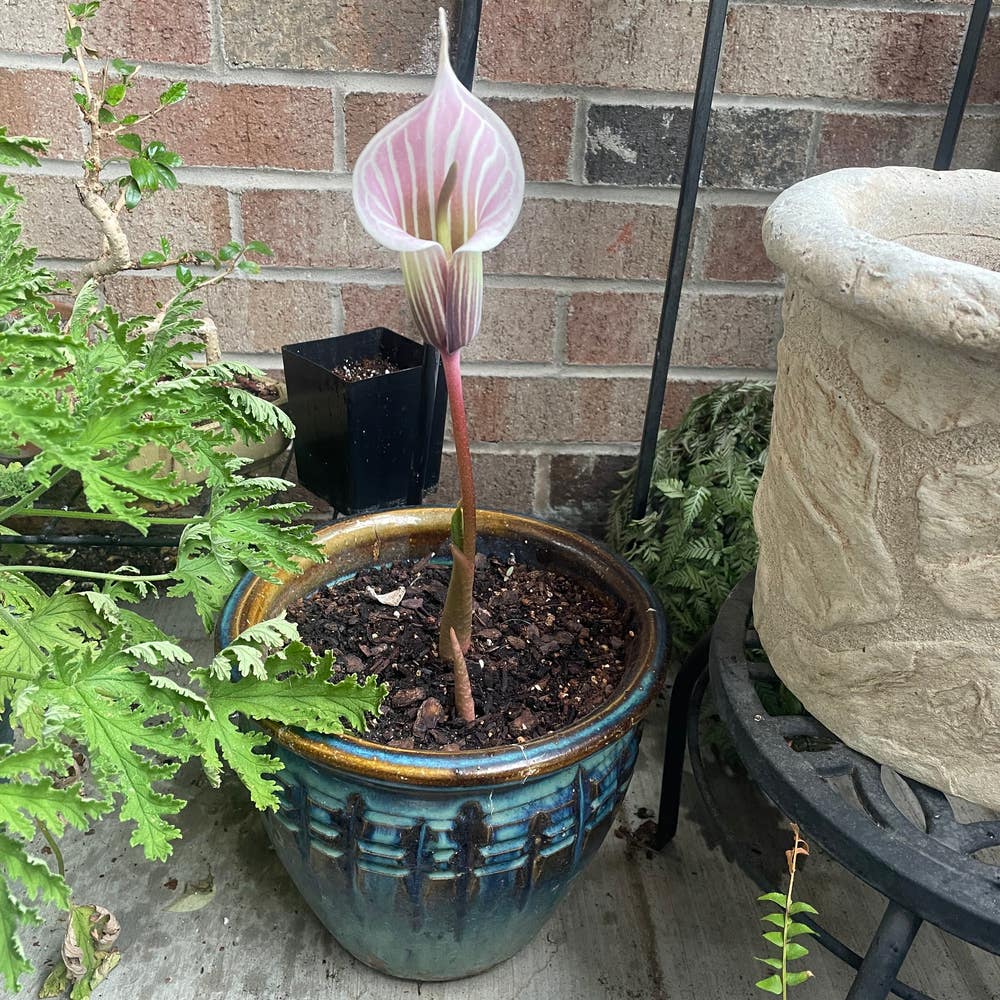
Jack in the Pulpit's flower isn't your typical petal-packed display. Unpacking the anatomy, you'll find a hooded spathe sheltering a spadix. This club-like structure is where the real magic happens: tiny flowers clustered at its base, out of sight.
🌱 A Sign of Maturity and Health
When Jack decides to bloom, it's not just showing off. Flowering is a thumbs-up from the plant, signaling it's hit puberty and is ready to mingle genetically. Healthy Jacks drop the green flag on reproduction, and that's when you know your plant care is on point.
🐝 The Pollination Game
The bloom's main gig? Attracting pollinators. Jack in the Pulpit plays a clever game, luring in insects to shuffle pollen between blooms. It's a survival hustle—no pollinators, no berry bling. And those berries are future Jacks in the making, ensuring the species doesn't ghost the plant world.
The Perfect Environment for Jack's Flower Show
🌤️ Light: The Shady Business of Blooming
Jack in the Pulpit thrives in dappled sunlight during spring, transitioning to heavier shade as the season progresses. This mimics the plant's natural woodland habitat, where sunlight filters through the canopy. Too much direct sun can stress Jack, leading to a no-show in the bloom department.
💧 Soil and Water: The Foundation of Flowering
Humus-rich, moist soil is non-negotiable for Jack in the Pulpit's flowering success. Think of soil as a backstage crew, it needs to be well-draining yet moisture-retentive to avoid waterlogging the roots. Amending garden soil with compost can transform an underperforming Jack into a blooming star.
🌡️ Temperature: The Warmth to Wake the Blooms
Jack in the Pulpit's blooms are temperature-sensitive. They prefer a consistent climate, free from the drama of sudden temperature swings. Aim for a stable environment that doesn't dip into the chills or spike into heat waves. This steady warmth coaxes the plant out of its shell, encouraging those blooms to make their grand entrance.
The Blooming Boost: Encouraging Jack to Flower
💐 Feeding for Flowers
Jack in the Pulpit isn't a diva, but it does have specific demands when it comes to nutrients. A balanced fertilizer is like a backstage pass for blooms. Phosphorus is the star nutrient here, so aim for a fertilizer with a higher middle number, like 10-30-20. Apply it sparingly; overfeeding is the botanical equivalent of a sugar crash.
🛌 Managing Dormancy for Vigorous Blooming
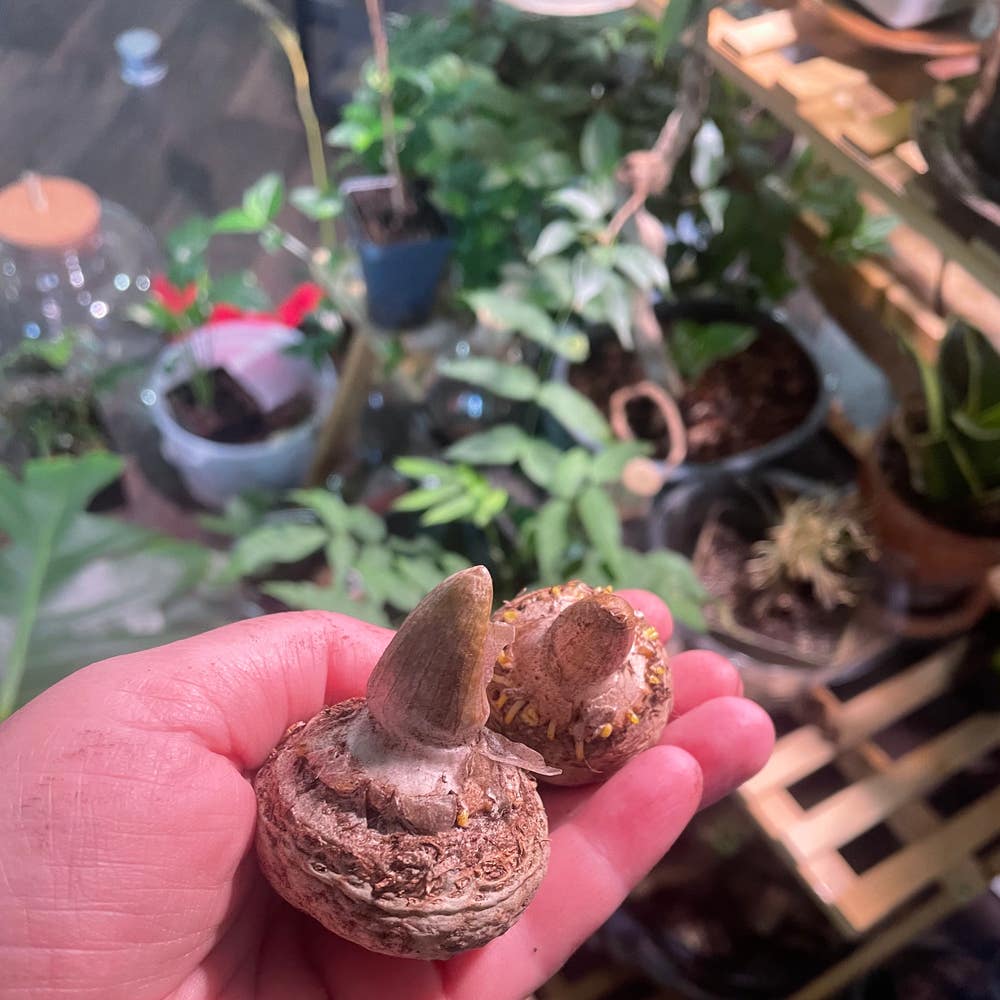
Think of dormancy as Jack's sabbatical. It's not slacking off; it's gearing up for a grand floral comeback. Gradually reduce watering as the plant dies back, and hold off on the fertilizer. This rest period is crucial—like a good night's sleep before a big day. When spring rolls around, Jack will be ready to put on a show, with blooms that are worth the wait.
Troubleshooting: When Jack Doesn't Want to Bloom
🕵️ Identifying the Culprits
Jack in the Pulpit can be as stubborn as a mule when it comes to blooming. If you're facing a bloom-less Jack, it's time to turn detective. Light is a common blooming blocker; too little and Jack's in the dark, too much and it's sunburn city. Check for the Goldilocks zone of just-right lighting. Next, consider soil conditions. Jack prefers it like a well-made bed: not too hard, not too soft, but just right. If the soil is off, Jack's not showing off.
🛠️ The Fix-It Guide
Alright, you've identified the issues, now let's fix them. For lighting woes, find that sweet spot where Jack can bask without baking. If soil's the issue, aim for a mix that's fertile and well-draining—think of it as a gourmet meal for your plant. Watering habits can also be a culprit; too much and Jack's drowning, too little and he's parched. Find a balance and stick to it. Lastly, don't forget about pests. These uninvited guests can throw a wrench in the works, so keep an eye out and show them the door promptly. With these fixes, Jack should be ready to strut his stuff.
⚠️ Safety First
This content is for general information and may contain errors, omissions, or outdated details. It is not medical, veterinary advice, or an endorsement of therapeutic claims.
Always consult a qualified healthcare professional before using any plant as food, medicine, or supplement.
Never eat any plant (or feed one to pets) without confirming its identity with at least two trusted sources.
If you suspect poisoning, call Poison Control (800) 222-1222, the Pet Poison Helpline (800) 213-6680, or your local emergency service immediately.
Spotted an error? Please report it here.
Ensure your Jack in the Pulpit thrives 🌿 with Greg's custom care plans, turning blooming mysteries into green-thumb victories.