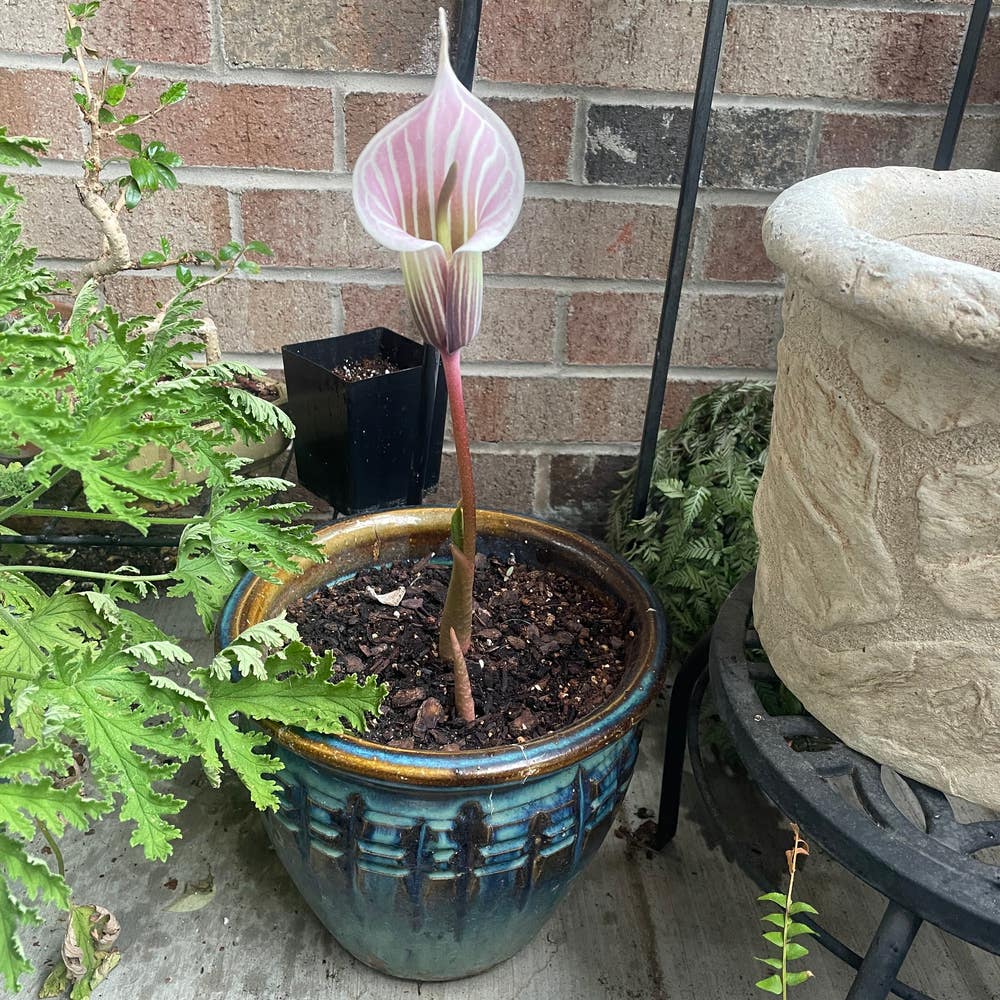
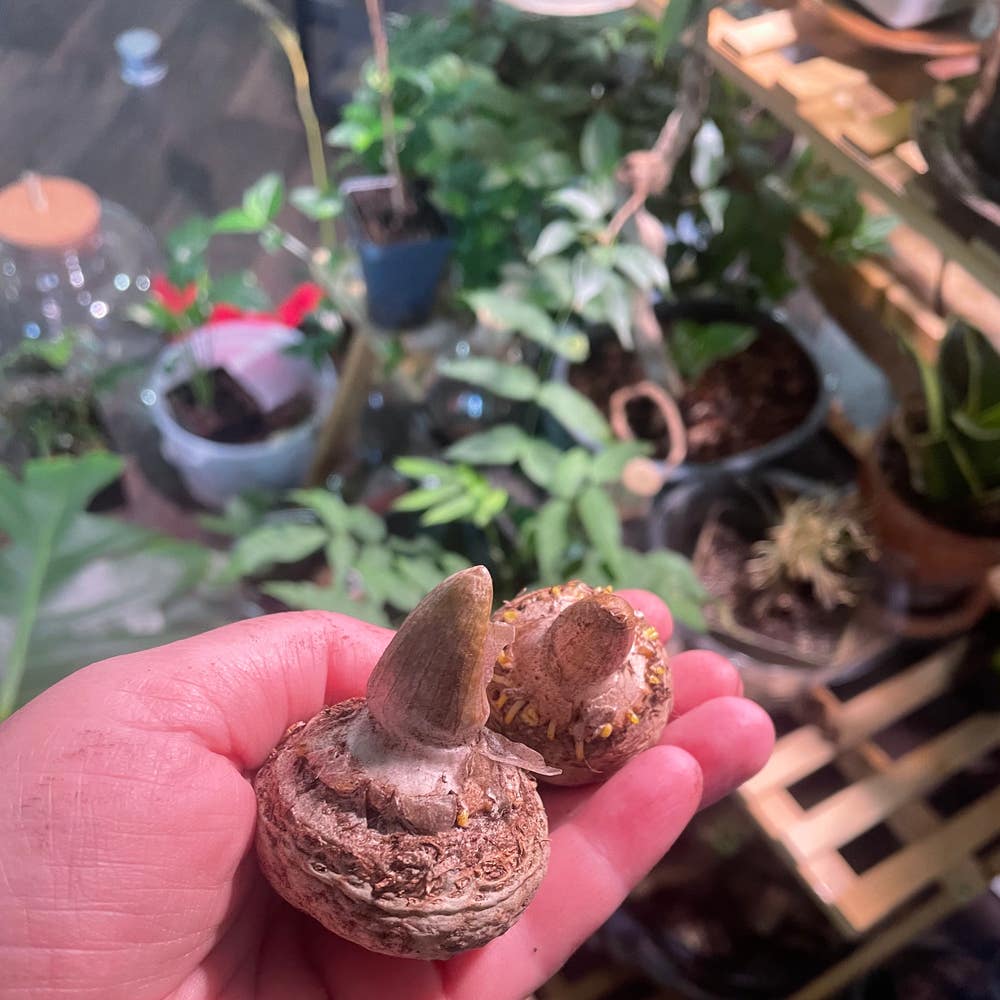
3 Key Winter Strategies for Jack in the Pulpit 🍄
Arisaema triphyllum
By the Greg Editorial Team
Sep 30, 2024•5 min read
This article was created with the help of AI so we can cover more plants for you. May contain errors. See one? Report it here.
Protect your Jack in the Pulpit this winter 🌨️ for a thriving garden come springtime!
- ❄️ Protect Jack in the Pulpit from frost using mulch and covering techniques.
- 🌱 Adjust watering in winter; allow soil to dry out to prevent root rot.
- 🌬️ Choose sheltered locations to minimize exposure to harsh winter winds.
Winter Care Strategies
❄️ Frost protection techniques
Frost can be a real threat to your Jack in the Pulpit, but there are effective ways to shield them. Mulching is a simple yet powerful technique; use organic materials like straw or leaves, applying a depth of 2-4 inches around the base of the plant.
Another effective method is covering plants with frost cloths or burlap. Make sure to cover them properly to prevent frost damage, and pay attention to local frost dates to time your coverings just right.
🏡 Location considerations
Choosing the right location for your plants can make a significant difference. Planting in sheltered areas helps reduce exposure to harsh winds, providing a more stable environment for your Jack in the Pulpit during winter.
💧 Adjusting watering schedules during winter
As winter sets in, your watering routine needs a rethink. Watering frequency should be reduced since the plants enter dormancy; it's crucial to allow the soil to dry out between waterings.
Watch for signs of overwatering, such as yellowing leaves or mushy rhizomes. These indicators signal that your plants may be struggling with excess moisture.
🌱 Soil moisture monitoring
Keeping an eye on soil moisture is essential for winter care. Use techniques like the finger test or a moisture meter to check levels effectively.
Aim to keep the soil slightly moist but not soggy. This balance is vital for the health of your Jack in the Pulpit during the colder months.
🌼 Fertilizing considerations in winter
When it comes to fertilizer application, the general rule is to avoid fertilizing during dormancy. Plants utilize stored nutrients during this time, making additional fertilization unnecessary.
As spring approaches, consider pre-spring fertilization. Timing is key; apply balanced NPK fertilizers early in the spring as your plants begin to emerge, setting them up for robust growth.
By implementing these winter care strategies, you can ensure your Jack in the Pulpit not only survives but thrives through the colder months. Next, let’s explore how to care for these plants indoors when the temperatures drop too low.
Indoor Winter Care
When to bring indoors 🌨️
As winter approaches, it's crucial to watch for signs that your Jack in the Pulpit needs indoor care. Extreme cold forecasts or prolonged frost can signal that it's time to move your plants inside.
Transitioning indoors should ideally happen before the first hard frost. This proactive approach helps protect your plants from harsh winter conditions.
Indoor care requirements and conditions 🌱
Once indoors, your Jack in the Pulpit will thrive best in bright, indirect sunlight. If natural light is lacking, consider using grow lights to supplement their needs.
Maintaining the right temperature is essential; aim for an indoor range of 60°F to 70°F (15°C to 21°C). Additionally, keep humidity levels up by misting the plants or using humidity trays to create a comfortable environment.
With these indoor care strategies, your Jack in the Pulpit will be well-prepared to weather the winter months. Next, let’s explore how to prepare for spring growth as the seasons change.
Spring Preparation
🌱 Signs of recovery from winter damage
As winter fades, look for signs of life in your Jack in the Pulpit. New shoots and leaves emerging from the ground are strong indicators of healthy regrowth.
Additionally, pay attention to color changes in the foliage. Bright green leaves signal that your plants are waking up and ready to thrive.
🔍 Assessing damage
While some parts may flourish, others might not have fared as well. Identify any dead or damaged sections to ensure your plant can focus its energy on healthy growth.
🌼 Preparing for spring growth
Cleaning up the garden
Start by tidying up your garden space. Removing dead foliage and debris is crucial for preventing diseases that can harm your plants.
Next, check the soil conditions. Ensure it’s well-drained and nutrient-rich to set the stage for robust growth.
Early spring care tips
Adjust your watering schedule as temperatures begin to rise. Gradually increase moisture to help your plants transition smoothly from dormancy.
Finally, consider the timing for fertilization. Applying nutrients as growth resumes will give your Jack in the Pulpit a much-needed boost.
With these preparations, your plants will be well-equipped to flourish in the upcoming season. Transitioning into spring care not only revitalizes your garden but also enhances your connection with nature.
Common Winter Problems and Solutions
🌨️ Identifying and Addressing Winter Damage
Winter can be tough on Jack in the Pulpit plants. Keep an eye out for wilting or yellowing leaves, which often signal stress or frostbite.
Another red flag is root rot, characterized by soft, mushy roots that result from overwatering. If you notice these signs, it's time to take action.
🛠️ Solutions for Recovery
Start by pruning damaged foliage. This encourages healthy growth and helps the plant focus its energy on new leaves.
Next, consider soil amendments to improve drainage and nutrient levels. This will create a healthier environment for your plants to thrive.
❄️ Tips for Preventing Frostbite and Other Issues
Stay proactive by monitoring weather forecasts. Being informed about temperature drops can save your plants from unnecessary stress.
For extra protection, use row covers or cloches. These provide insulation against harsh conditions.
Additionally, grouping plants can offer mutual protection, creating a microclimate that helps them withstand the cold better.
By addressing these common winter problems, you can ensure your Jack in the Pulpit plants emerge healthy and ready for spring. Next, let’s explore how to prepare for their growth as winter fades away.
⚠️ Safety First
This content is for general information and may contain errors, omissions, or outdated details. It is not medical, veterinary advice, or an endorsement of therapeutic claims.
Always consult a qualified healthcare professional before using any plant as food, medicine, or supplement.
Never eat any plant (or feed one to pets) without confirming its identity with at least two trusted sources.
If you suspect poisoning, call Poison Control (800) 222-1222, the Pet Poison Helpline (800) 213-6680, or your local emergency service immediately.
Spotted an error? Please report it here.
Keep your Jack in the Pulpit thriving this winter ❄️ with Greg's tailored care reminders and moisture monitoring to ensure they flourish come spring!