Jack in the Pulpit: Not an Annual ⛪
Arisaema triphyllum
By the Greg Editorial Team
Sep 30, 2024•5 min read
This article was created with the help of AI so we can cover more plants for you. May contain errors. See one? Report it here.
Unlock the beauty and resilience of Jack in the Pulpit 🌱, a perennial that transforms your garden into a thriving ecosystem!
- 🌱 Jack in the Pulpit is a perennial, thriving for many years in shaded woodlands.
- 🐝 Its unique flower structure attracts pollinators, ensuring successful reproduction and seed dispersal.
- 🌿 Proper care and site selection enhance growth, making it a valuable garden addition.
Jack in the Pulpit as a Perennial
🌱 Genetic Characteristics
Jack in the Pulpit, scientifically known as Arisaema triphyllum, belongs to the Araceae family. This classification highlights its unique genetic makeup, which supports its perennial nature.
The plant has a chromosome count of 2n=26, contributing to its adaptability and resilience. These genetic traits allow it to thrive in various environments, ensuring its longevity.
🌿 Physiological Traits Supporting Perennial Growth
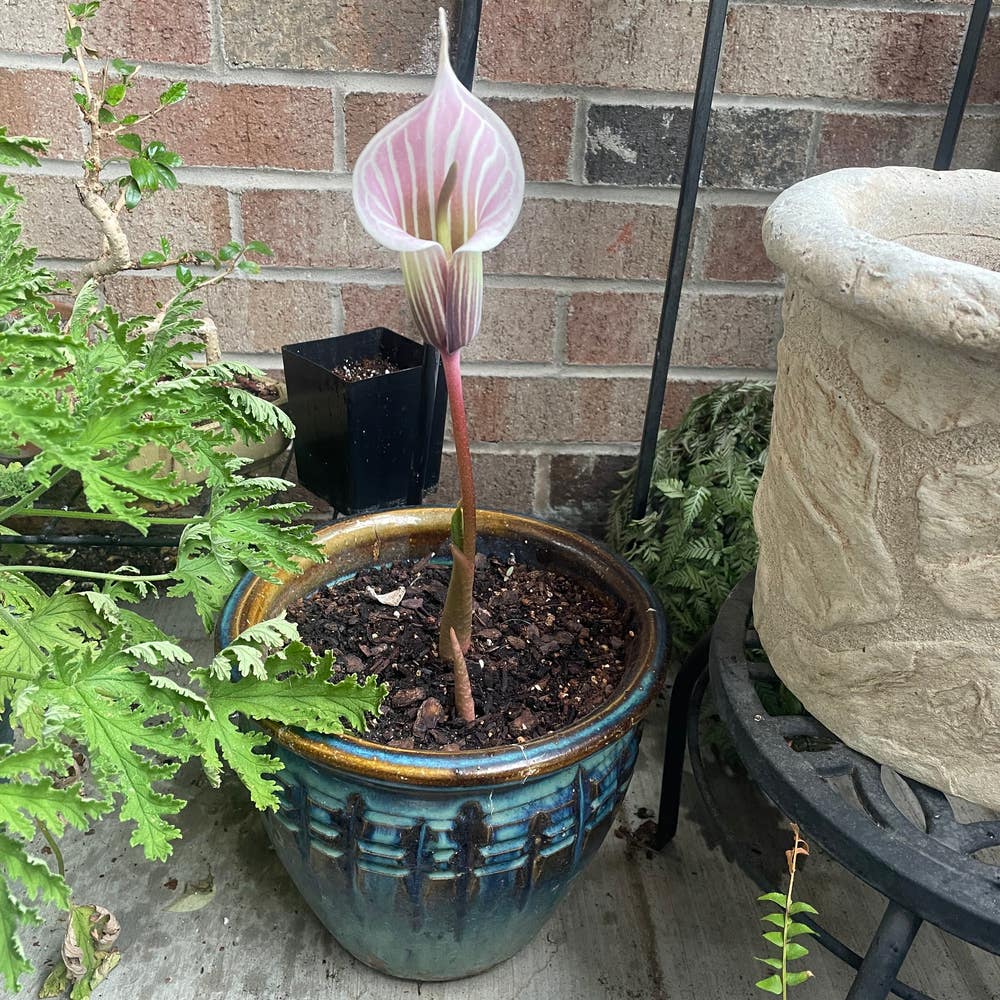
One of the most striking features of Jack in the Pulpit is its unique flower structure. The spathe, which envelops the spadix, not only attracts pollinators but also provides protection during harsh weather.
Distinctive leaf patterns further enhance its appeal. The leaves are typically divided into three leaflets, creating a lush canopy that helps the plant capture sunlight efficiently.
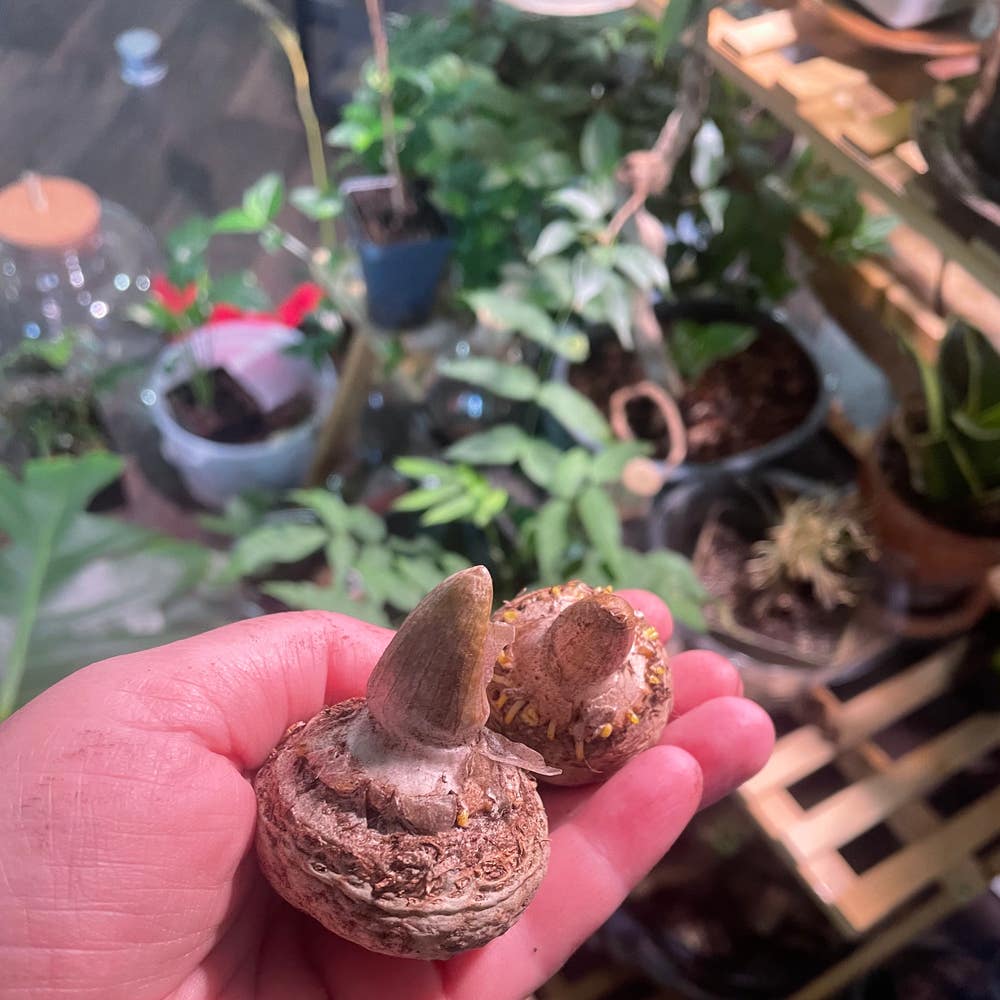
The root system of Jack in the Pulpit is another key to its perennial success. Its tuberous roots store nutrients, allowing the plant to survive through unfavorable conditions and emerge stronger each season.
⏳ Long-Term Lifecycle and Growth Patterns
The establishment phase of Jack in the Pulpit is crucial for its long-term survival. During this time, the plant focuses on developing a robust root system and acclimating to its environment.
As a perennial, it boasts a lifespan that can extend for many years, often flowering annually once established. Seasonal behavior is also noteworthy; the plant emerges in spring, flourishes in summer, and enters dormancy in fall, showcasing a rhythm that aligns with nature's cycles.
Understanding these aspects of Jack in the Pulpit enriches our appreciation for this remarkable perennial. Next, we will explore its reproductive strategies, which play a vital role in its survival and propagation.
Reproductive Strategies
🌸 Flowering Cycles
Jack in the Pulpit has a unique timing for its flowering. Typically, it blooms in early spring, taking advantage of the sunlight before the trees fully leaf out.
Pollination is primarily achieved through insects, particularly flies and beetles. The flower's structure, with its hooded spathe, helps attract these pollinators while providing a cozy spot for them to linger.
🍇 Seed Production and Dispersal
Once pollinated, the plant develops berries that contain seeds. These seeds are rich in nutrients, which aids in their development.
Dispersal occurs mainly through animals that eat the berries and later excrete the seeds. This method ensures that the seeds are spread over a wider area, increasing their chances of germination.
🌱 Comparison with Annual Reproductive Strategies
Unlike annual plants, Jack in the Pulpit focuses on producing fewer seeds but invests more in their quality. This strategy enhances the likelihood of survival in varying conditions.
Annuals often prioritize rapid growth and quick seed production to ensure their lifecycle continues. In contrast, Jack in the Pulpit demonstrates resilience by adapting its reproductive strategies to thrive over many years.
Understanding these reproductive strategies not only highlights the plant's unique adaptations but also sets the stage for exploring its lifecycle and growth patterns.
Misconceptions and Exceptions
🌱 Conditions Leading to Misclassification
Jack in the Pulpit can often be misclassified due to its slow initial growth. This slow start may lead gardeners to mistakenly label it as an annual, overlooking its true perennial nature.
Environmental stress can also play a significant role in misclassification. Factors like drought or poor soil conditions can stunt growth, making it seem less resilient than it truly is.
🌍 Regional Variations
Jack in the Pulpit thrives in specific habitats, often preferring moist, shaded woodlands. Its preference for these environments can lead to variations in growth patterns across different regions.
Climate influences are crucial as well. In warmer areas, the plant may exhibit different growth habits compared to cooler climates, affecting its overall health and flowering.
Human impact cannot be ignored either. Urban development and land use changes can disrupt natural habitats, influencing how Jack in the Pulpit grows and reproduces in various locations.
Understanding these misconceptions and regional variations can help gardeners appreciate the true nature of Jack in the Pulpit. This knowledge sets the stage for exploring its reproductive strategies next.
Implications for Gardeners
🌼 Benefits in Garden Design
Jack in the Pulpit adds a unique aesthetic to any garden. Its striking flower structure and distinctive leaf patterns create visual interest throughout the growing season.
Beyond beauty, this perennial offers ecological benefits. It attracts pollinators and supports local wildlife, making your garden a vibrant ecosystem.
🌱 Strategies for Maximizing Longevity
To ensure your Jack in the Pulpit thrives, start with proper site selection. Choose a location that mimics its natural habitat—shaded, moist areas with rich soil.
Companion planting can also enhance growth. Pairing it with other perennials can improve nutrient uptake and create a more resilient garden.
Soil management is crucial for longevity. Regularly amend the soil with organic matter to maintain its richness and structure.
🌿 Tips for Managing as a Perennial
Establish a consistent watering schedule. Jack in the Pulpit prefers moist conditions, so keep the soil evenly damp, especially during dry spells.
Consider your fertilization options. A balanced, slow-release fertilizer can provide the necessary nutrients without overwhelming the plant.
Finally, monitor growth for health. Regularly check for signs of stress or disease, allowing you to address issues before they escalate.
By following these tips, you can enjoy the beauty and resilience of Jack in the Pulpit for years to come. Next, let’s explore its fascinating reproductive strategies.
⚠️ Safety First
This content is for general information and may contain errors, omissions, or outdated details. It is not medical, veterinary advice, or an endorsement of therapeutic claims.
Always consult a qualified healthcare professional before using any plant as food, medicine, or supplement.
Never eat any plant (or feed one to pets) without confirming its identity with at least two trusted sources.
If you suspect poisoning, call Poison Control (800) 222-1222, the Pet Poison Helpline (800) 213-6680, or your local emergency service immediately.
Spotted an error? Please report it here.
Unlock the beauty of Jack in the Pulpit in your garden 🌿 by using Greg's tailored watering alerts and community insights to keep this resilient perennial thriving year after year!