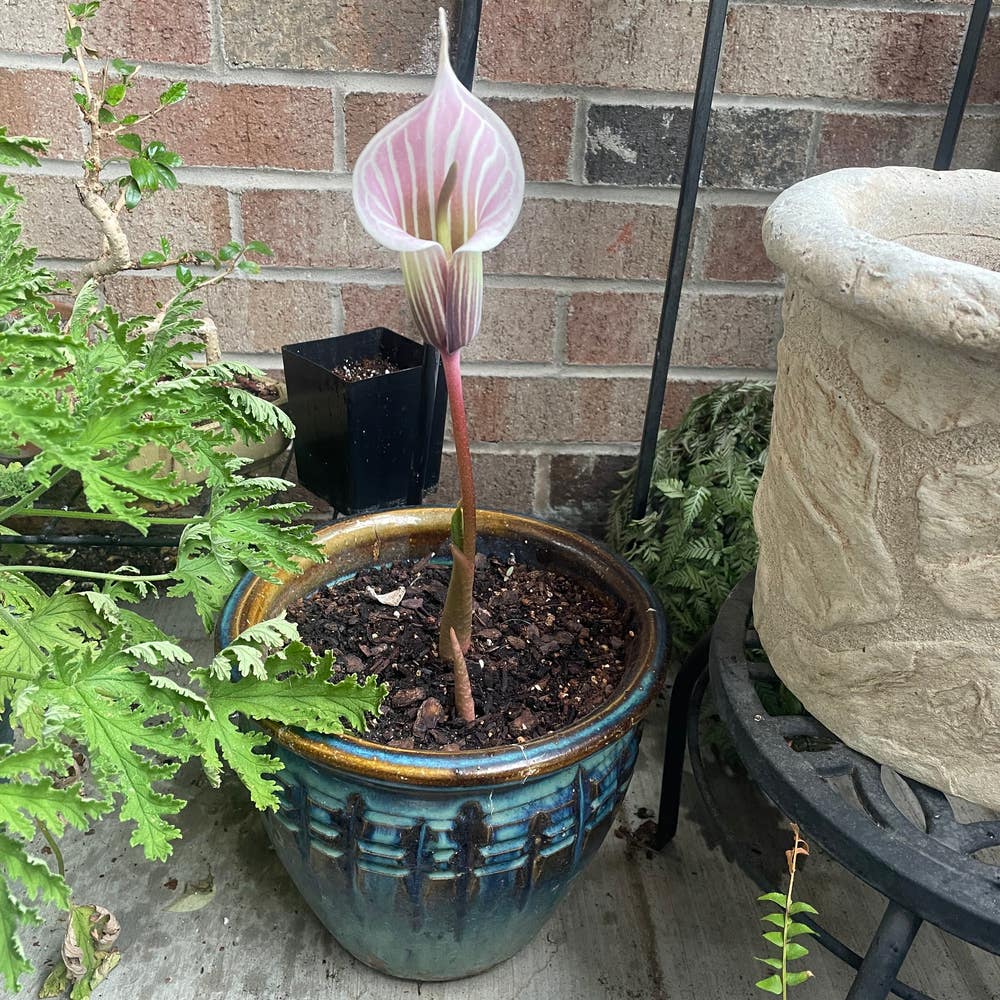
🌱 How Do I Propagate My Jack in the Pulpit?
Arisaema triphyllum
By the Greg Editorial Team
Mar 05, 2024•5 min read
This article was created with the help of AI so we can cover more plants for you. May contain errors. See one? Report it here.
Propagate your Jack in the Pulpit 🌱 effortlessly with these expert techniques for every gardener!
- 🍂 Divide in late fall or early spring to ensure successful propagation.
- 🌱 Seed propagation requires chilling—use moist peat moss and refrigerate.
- 🔬 Tissue culture is advanced but needs sterile equipment and environment.
Splitting Up: Division Propagation
🌱 When to Divide
Late fall or early spring are the ideal times to divide Jack in the Pulpit. It's a time when the plant is dormant, making it less susceptible to stress. Aim for a period when the plant isn't actively growing, ensuring it's not in bloom or unfurling new leaves.
🕺 The Division Dance
💧 Preparing for Division
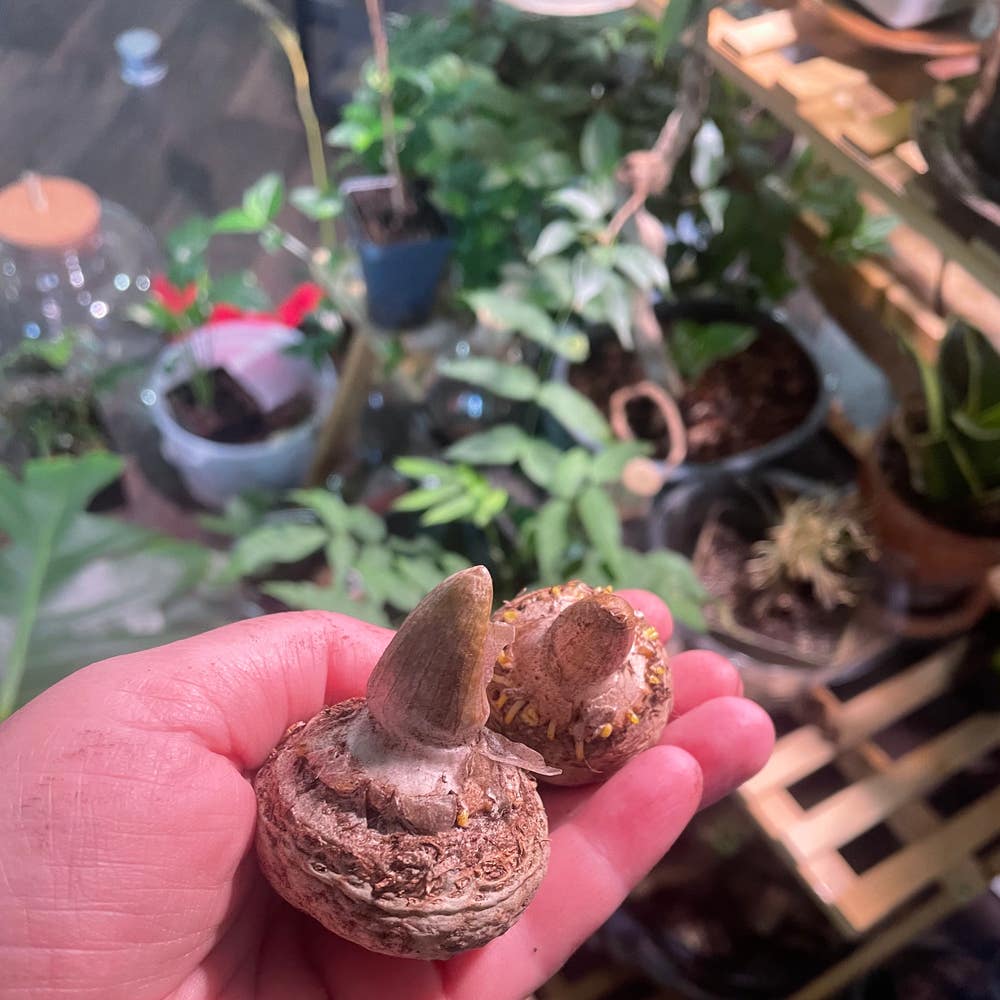
Before you start, hydrate the plant a few days in advance to minimize root damage. Use a sterile, sharp tool for division, and ensure each section has at least one growth point.
🛠 Executing the Division
Gently lift the plant, being mindful of the roots. Identify new growth areas and carefully separate the roots to create new sections. Each division should have roots and foliage. Trim away any damaged parts.
🌱 After the Split
Immediately after division, plant the new sections in a suitable environment. If you can't replant them right away, keep the roots moist. Provide care similar to that of a new transplant, and watch your Jack in the Pulpit thrive.
From Tiny Seeds to Mighty Plants: Seed Propagation
🌱 Seed Collection and Prep
Harvesting Jack in the Pulpit seeds is a bit like a treasure hunt, minus the digging. Wait for the berries to turn a fire engine red—that's your cue to collect. Inside each berry, expect one to five white seeds. Don gloves, gently roll the berries, and the seeds will make their debut. Remove them with care.
The seeds need a cold nap, also known as stratification, to kickstart germination. Wrap them in moist sphagnum peat moss or sand, tuck them into a plastic bag, and let them chill in the fridge. They'll need two to two and a half months of this cool downtime.
🌱 Planting the Future
Creating the perfect nursery for these seeds isn't child's play. Moist potting soil is the bed of choice—think damp, not soggy. Lay the seeds on the soil's surface; they're not fans of being buried. They crave light to sprout, much like we crave coffee in the morning.
Keep the soil consistently moist; a spray bottle will be your best friend here. It's a gentle way to water without turning the seeds into an impromptu mudslide. And remember, these seeds are slow to wake up. Think of them as teenagers on a Saturday morning.
🌱 Patience is Key
Brace yourself for the long haul. From seed to sprout, you're looking at a timeline that could stretch from weeks to months. And from planting to blooming plant? That's a marathon of four to five years. But the payoff? A diverse range of colors to plant and share, making the wait worthwhile.
Lab Coats On: Tissue Culture Propagation
🌱 Tissue Culture 101
Tissue culture, often likened to plant cloning, is a high-tech method for propagating Jack in the Pulpit. It involves nurturing small plant tissues in a controlled, sterile environment until they grow into new plants. This method is perfect for the detail-oriented gardener who enjoys a bit of scientific flair in their horticultural projects.
🧫 The Setup
To embark on this microscopic journey, you'll need a few key items. Sterility is the name of the game; any contamination can derail your efforts. Here's a quick rundown:
- Agar: This gelatinous substance will serve as the growing medium for your plant cells.
- Laminar flow hood: A piece of equipment that provides a sterile airflow, essential for maintaining an uncontaminated workspace.
- Autoclave or pressure cooker: For sterilizing your tools and media.
- Culture vessels: Think along the lines of baby food jars or similar containers. They should be sealable to keep out unwanted microbes.
- Forceps and scalpels: Your tools for handling and cutting plant tissues, which will also need to be sterilized.
Remember, the environment for tissue culture must be as clean as a whistle. A single rogue bacterium or fungus spore can spoil the party. If you're not up for turning part of your home into a mini lab, consider reaching out to a tissue culture service that can handle the propagation for you.
Navigating Propagation Pitfalls
🚧 Common Hiccups
In the quest to propagate Jack in the Pulpit, roadblocks are par for the course. Fungal infections can ambush your plants, thriving in overly moist conditions. Damping off is another stealthy adversary, causing seedlings to keel over as if they've given up on life. Pests, like uninvited party crashers, can also crash the propagation parade.
🛠 Solutions and Preventative Measures
Airflow is your ally against fungal foes; ensure your space isn't mimicking a sauna. To fend off damping off, keep the soil moist but not waterlogged, and maintain a cozy temperature. When pests pop up, show them the door with neem oil or insecticidal soap. Consistency in care is key—water with a gentle hand and feed with a light touch. If your plants are stretching like they're in a yoga class or their leaves are getting scorched, recalibrate your light levels. Keep a vigilant eye; early signs of distress are a call to action. Remember, in propagation, being proactive beats being reactive every time.
⚠️ Safety First
This content is for general information and may contain errors, omissions, or outdated details. It is not medical, veterinary advice, or an endorsement of therapeutic claims.
Always consult a qualified healthcare professional before using any plant as food, medicine, or supplement.
Never eat any plant (or feed one to pets) without confirming its identity with at least two trusted sources.
If you suspect poisoning, call Poison Control (800) 222-1222, the Pet Poison Helpline (800) 213-6680, or your local emergency service immediately.
Spotted an error? Please report it here.
Ensure your Jack in the Pulpit thrives after propagation with custom care plans 🌱 from Greg, tailored to your plant's needs from division to dormancy.