🎪 Jack in the Pulpit Is a Garden Plant, Not a Weed
Arisaema triphyllum
By the Greg Editorial Team
Sep 30, 2024•5 min read
This article was created with the help of AI so we can cover more plants for you. May contain errors. See one? Report it here.
Unlock the beauty of Jack in the Pulpit 🌱—a garden gem that enhances biodiversity without invading your space!
- 🌱 Jack in the Pulpit enhances biodiversity, supporting local wildlife and pollinators.
- 🌳 Ideal for shaded areas, this garden plant thrives in rich, moist soil.
- 🍇 Its berries feed birds, enriching your garden's ecosystem and visual appeal.
Plant Classification
Definition of Invasive Species 🌱
Invasive species are plants that exhibit rapid growth and aggressive spreading, often disrupting local ecosystems. They can outcompete native flora, leading to a decline in biodiversity and altering habitat conditions.
Jack in the Pulpit, however, does not fit this invasive mold. Its growth is controlled and does not negatively impact its surroundings, making it a valuable addition to gardens rather than a threat.
Characteristics of Jack in the Pulpit 🌼
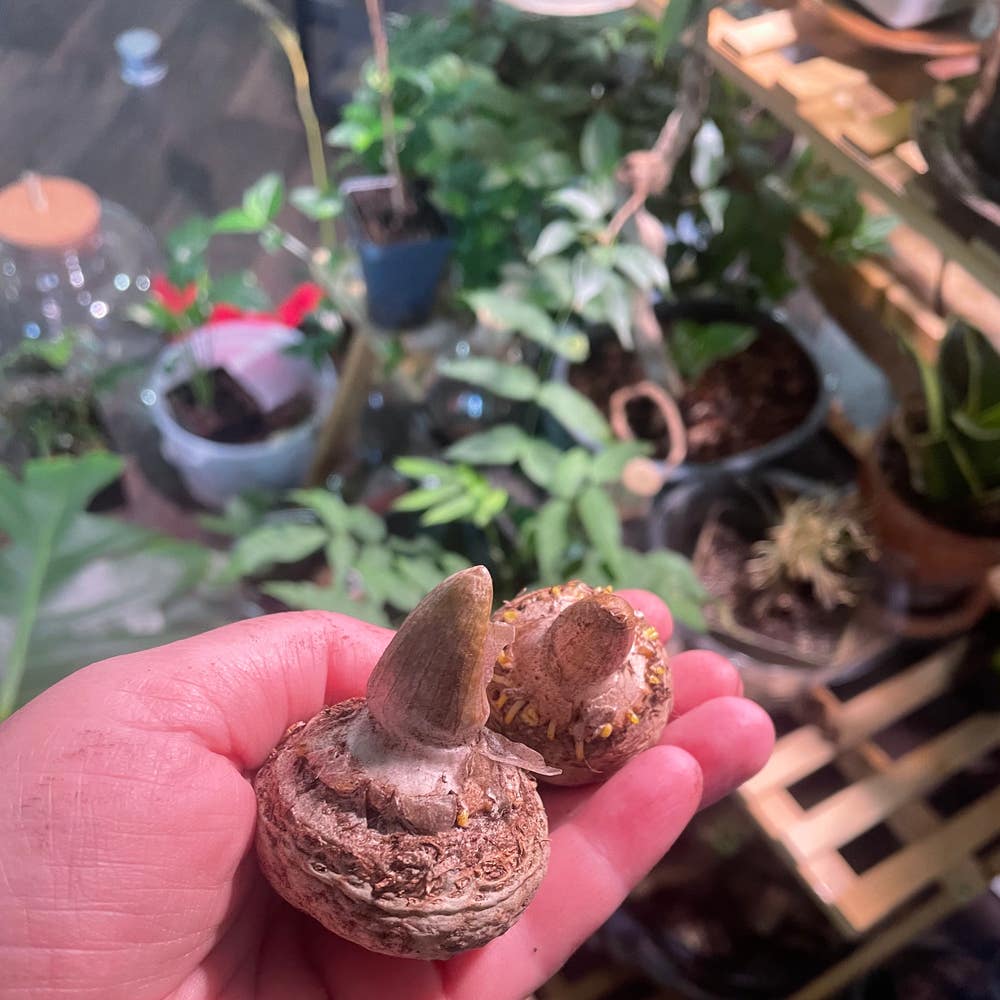
This unique plant grows from a corm, which inherently limits its ability to spread aggressively. Unlike many invasive species, it thrives in specific habitats, preferring rich, well-drained, and moist soil conditions.
These preferences mean that Jack in the Pulpit is less likely to invade areas outside its ideal environment. Its growth habits contribute to a balanced ecosystem, supporting local wildlife without overwhelming other plants.
As we explore further, you'll see how Jack in the Pulpit plays a vital role in garden settings and local ecosystems alike.
Growth Habits
Typical Growth Patterns in Gardens 🌱
Jack in the Pulpit typically grows between 1 to 3 feet tall, making it a striking addition to any garden. Its trifoliate leaves emerge after flowering, creating a lush green backdrop that enhances its unique appearance.
In terms of seasonal behavior, this plant goes dormant in winter, conserving energy for the vibrant growth that follows in spring. This cycle not only showcases its resilience but also adds a dynamic element to your garden.
Spread Potential and Limitations 🚧
While Jack in the Pulpit can thrive, it has natural limits to its growth. It requires specific moisture and light conditions, which helps maintain its balance within the ecosystem.
Instead of spreading aggressively through seeds, it primarily propagates through corm division. This method keeps its growth in check, ensuring it doesn't overwhelm neighboring plants in your garden.
Incorporating Jack in the Pulpit into your landscape can be a rewarding choice. Its unique growth habits and ecological benefits make it a valuable addition, setting the stage for the next section on its ecological role.
Ecological Role
Benefits to Local Ecosystems 🌱
Jack in the Pulpit plays a vital role in enhancing biodiversity. By providing habitat and food, it supports various forms of wildlife, making it a valuable addition to any garden.
Moreover, this plant contributes significantly to soil health. Its roots improve soil structure and promote nutrient cycling, which benefits surrounding plants and organisms.
Interactions with Wildlife 🦋
One of the most delightful aspects of Jack in the Pulpit is its ability to attract pollinators. Bees and butterflies are drawn to its unique flowers, helping to sustain local ecosystems.
Additionally, the plant produces berries that serve as a food source for birds. This interaction not only supports avian populations but also enriches the garden's ecological tapestry.
Incorporating Jack in the Pulpit into your garden can create a thriving environment for wildlife. Its ecological benefits make it a standout choice for any nature-loving gardener.
Garden Management
Incorporating Jack in the Pulpit into Garden Designs 🌳
Jack in the Pulpit thrives in shaded areas, making it a perfect choice for woodland gardens. Its unique structure adds visual interest, especially when paired with ferns and other shade-loving plants.
Consider grouping them in clusters to create a natural look. This arrangement not only enhances aesthetics but also supports the plant's growth habits.
Methods for Controlling Growth if Necessary ✂️
Monitoring Jack in the Pulpit is essential to ensure it doesn't outcompete other plants. Regular checks will help you maintain a balanced garden ecosystem.
If needed, pruning can be an effective way to control its growth. Simply remove excess foliage to keep your garden looking tidy and well-maintained.
With these strategies, you can enjoy the beauty of Jack in the Pulpit while ensuring it complements your garden's overall design.
Comparison to Other Plants
🌱 Similar Non-Invasive Plants
Jack in the Pulpit shares its habitat with other non-invasive plants like Trillium and Solomon's Seal. While all thrive in shaded, moist environments, Jack in the Pulpit stands out due to its unique structure and growth habits.
🌟 Unique Qualities of Jack in the Pulpit
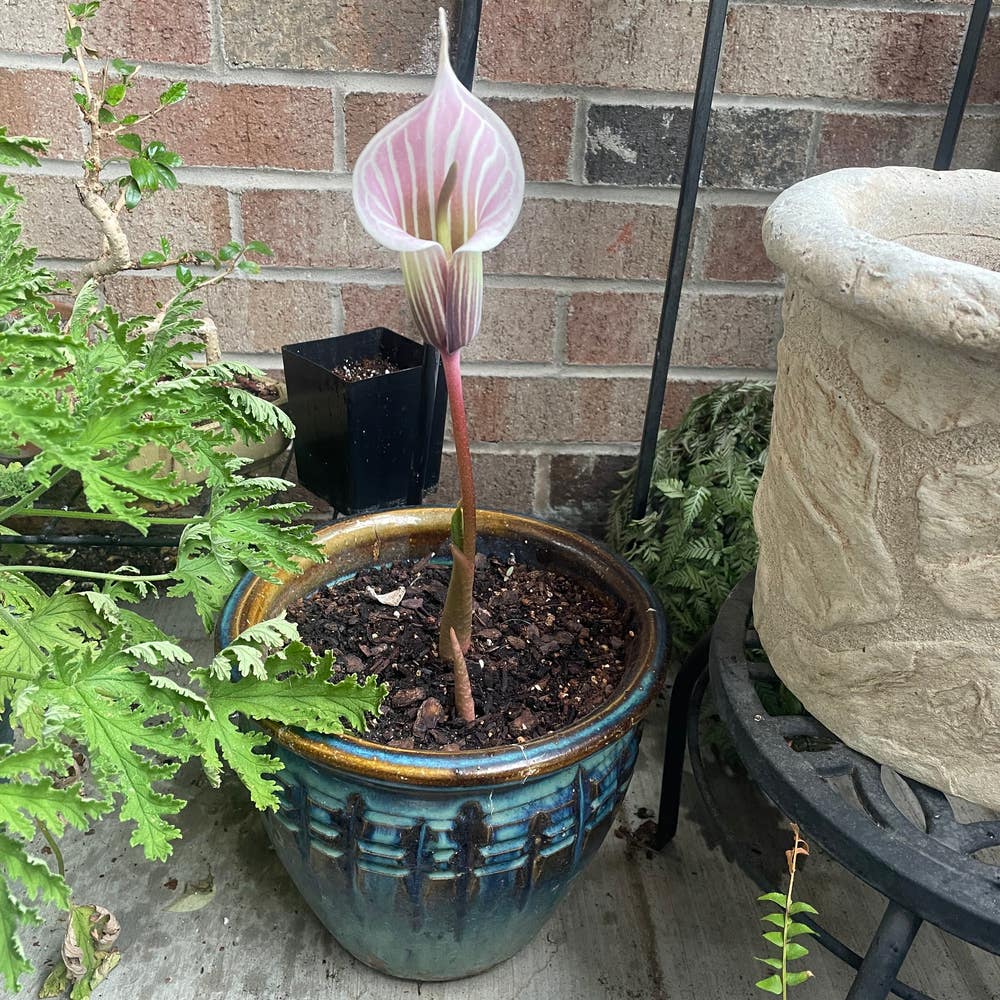
One of the most striking features of Jack in the Pulpit is its distinctive spathe and spadix structure. This plant also carries cultural significance, having been used historically for medicinal purposes by various Indigenous peoples.
🌼 Benefits of Choosing Jack in the Pulpit Over Other Plants
Choosing Jack in the Pulpit can enhance your garden's biodiversity by attracting a wider range of pollinators, including bees and butterflies. Its unique visual appeal adds depth to shaded areas, making it a standout choice for any woodland garden.
Incorporating Jack in the Pulpit not only enriches your garden aesthetically but also contributes positively to the local ecosystem. As we move forward, let’s explore how to effectively manage this beautiful plant in your garden.
Legal and Environmental Considerations
Relevant Classifications and Guidelines 🌱
When planting Jack in the Pulpit, it's essential to be aware of local regulations regarding native species. Many regions have guidelines that promote the use of native plants, which can enhance local biodiversity and support native wildlife.
Sourcing plants from reputable nurseries is equally important. This ensures that you are getting healthy, non-invasive specimens that are true to their species, helping maintain the integrity of local ecosystems.
Sustainable Gardening Practices ♻️
Incorporating native plants like Jack in the Pulpit into your garden design is a fantastic way to promote sustainability. These plants thrive in their natural habitats, requiring less water and fewer resources than non-native varieties.
The benefits of biodiversity are profound. By choosing native species, you contribute to ecosystem health, providing food and shelter for local wildlife while creating a vibrant, resilient garden space.
As you plan your garden, consider how Jack in the Pulpit can fit into your landscape. Its unique qualities not only enhance visual interest but also support the environment in meaningful ways.
Transitioning to the next topic, let’s explore how Jack in the Pulpit compares to other plants in your garden.
⚠️ Safety First
This content is for general information and may contain errors, omissions, or outdated details. It is not medical, veterinary advice, or an endorsement of therapeutic claims.
Always consult a qualified healthcare professional before using any plant as food, medicine, or supplement.
Never eat any plant (or feed one to pets) without confirming its identity with at least two trusted sources.
If you suspect poisoning, call Poison Control (800) 222-1222, the Pet Poison Helpline (800) 213-6680, or your local emergency service immediately.
Spotted an error? Please report it here.
Celebrate the unique charm of Jack in the Pulpit as a biodiversity booster in your garden, and let Greg help you nurture it with tailored care reminders for thriving growth! 🌿