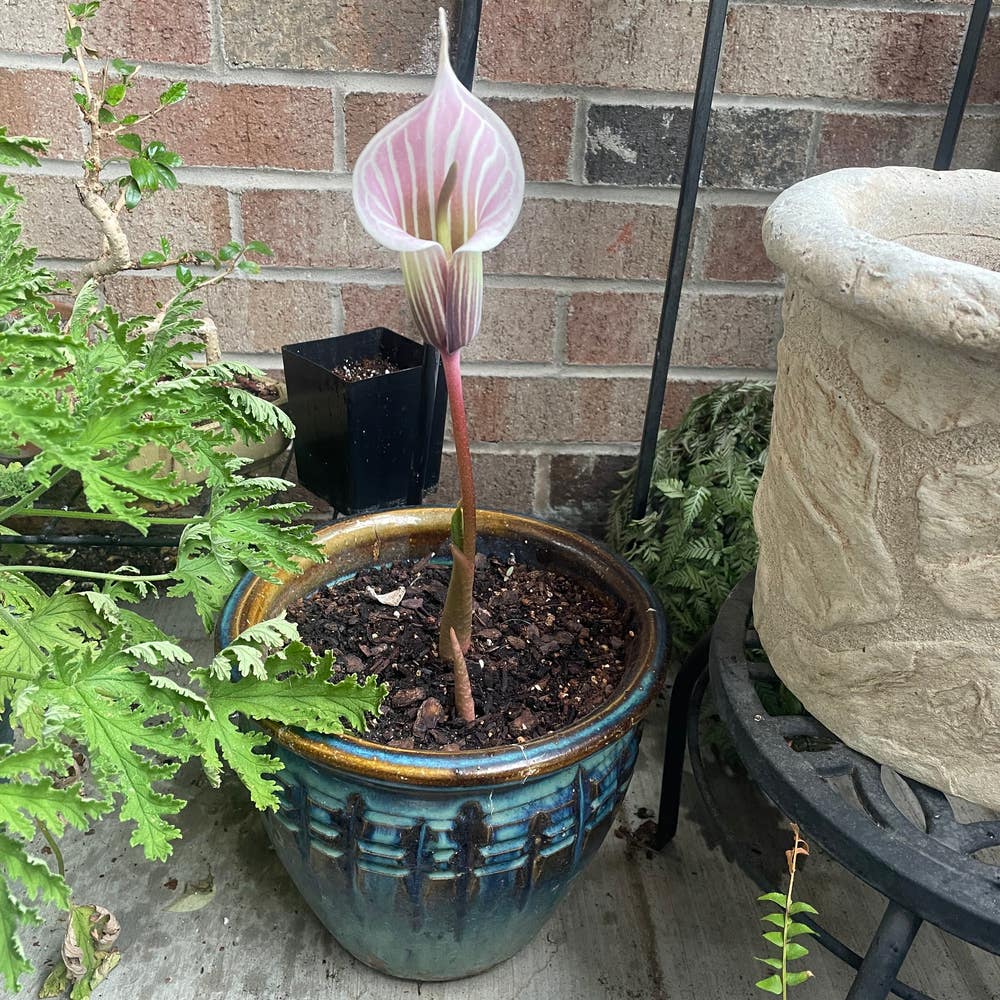
🍄 Mature Height of Your Jack in the Pulpit
Arisaema triphyllum
By the Greg Editorial Team
Sep 30, 2024•5 min read
This article was created with the help of AI so we can cover more plants for you. May contain errors. See one? Report it here.
Master the art of growing Jack in the Pulpit 🌱 by understanding its growth rate and ideal conditions for stunning results!
- 🌱 Jack in the Pulpit grows 12-24 inches annually under optimal conditions.
- ⏳ Mature height takes 3-5 years; growth varies with shade and moisture.
- 🌳 Giant varieties can reach 4 feet, while dwarf types stay under 1 foot.
Growth Rate and Time to Maturity
Average Growth Rate 🌱
Jack in the Pulpit exhibits a moderate growth rate, typically reaching heights of 12 to 24 inches per year under optimal conditions. This makes it a relatively easy plant to cultivate, rewarding gardeners with noticeable growth each season.
Timeframe to Reach Full Size ⏳
It generally takes about 3 to 5 years for Jack in the Pulpit to reach its mature height and spread. Patience is key, as this plant slowly establishes itself in your garden.
Comparison with Other Woodland Plants 🌳
When compared to similar woodland plants, such as Trillium, Jack in the Pulpit grows at a slower pace. This slower growth can be a consideration for gardeners looking to fill their spaces quickly.
In summary, understanding the growth rate and time to maturity of Jack in the Pulpit helps set realistic expectations for your garden. Next, we’ll explore how various growing conditions can affect the size of this unique plant.
Size Variability
🌱 Discussion of Size Variability in Different Growing Conditions
The size of your Jack in the Pulpit can vary significantly based on its growing conditions. In shaded, moist environments, these plants thrive, often exhibiting more robust growth.
🌍 Impact of Soil Type and Moisture on Size
Soil type plays a crucial role in determining plant size. Well-draining loam supports larger plants, while heavy clay can hinder growth.
Consistent moisture is equally important. When Jack in the Pulpit receives regular watering, it tends to grow larger and more vigorously.
🏙️ Variability in Urban vs. Natural Settings
Urban environments often present challenges for plant growth. Jack in the Pulpit may be smaller in cities due to restricted root space and altered moisture levels.
In contrast, natural habitats provide ideal conditions. Here, these plants typically grow larger and exhibit more vigorous growth, showcasing their full potential.
Understanding these factors can help you create the best environment for your Jack in the Pulpit, ensuring they flourish beautifully.
Dwarf and Giant Varieties
🌱 Description of Dwarf Varieties
Dwarf Jack in the Pulpit varieties typically grow to under 1 foot tall, making them perfect for smaller gardens or container arrangements. These compact plants offer a unique charm and can fit into tight spaces while still providing the distinctive appearance of their larger counterparts.
Some popular dwarf cultivars include 'Little Green' and 'Miniature Jack.' These varieties maintain the characteristic spathe and leaf structure but in a more manageable size.
🦒 Characteristics of Giant Varieties
On the other hand, giant Jack in the Pulpit varieties can reach heights of up to 4 feet. They are robust, often featuring larger spathes that create a striking visual impact in any garden.
These giants thrive in conditions with ample moisture and shade, making them ideal for woodland settings. Their impressive stature can serve as a focal point in larger landscapes.
📏 Comparison of Size Between Varieties
When comparing sizes, the difference is striking: dwarf varieties stand under 1 foot, while giants can soar to 4 feet.
Additionally, dwarf varieties tend to spread less than their giant counterparts, making them easier to manage in confined spaces. This size variability allows gardeners to choose the perfect fit for their specific landscape needs.
As you consider which variety to plant, think about your garden's space and aesthetic. The choice between dwarf and giant can significantly influence your garden's overall look and feel.
Controlling Size
🌿 Pruning Techniques for Size Control
To keep your Jack in the Pulpit at a manageable size, consider pinching back the growth tips. This technique encourages bushier plants and is relatively easy to implement.
Timing is crucial; the best moment to prune is early spring, just before new growth begins. This way, you promote healthy development while maintaining control over the plant's size.
📏 Other Methods to Manage Plant Size
Spacing is another effective method for managing size. By planting your Jack in the Pulpit further apart, you allow each plant more room to grow, resulting in larger specimens.
Alternatively, growing them in containers can limit root space, effectively controlling height. This method is particularly useful if you're working with limited garden space.
⏰ Timing and Frequency of Pruning
Annual pruning is recommended for effective size management. Regularly assessing your plants will help you determine when to prune.
Look for signs of overcrowding or excessive height as indicators that it's time to take action. By staying proactive, you can ensure your Jack in the Pulpit remains healthy and well-sized.
As you consider these techniques, remember that environmental factors also play a significant role in plant size. Let's explore how light, soil quality, and climate can further influence your Jack in the Pulpit's growth.
Environmental Factors Affecting Size
🌞 Influence of Light Conditions on Growth
Jack in the Pulpit thrives in dappled sunlight to full shade. Too much direct light can stunt growth, resulting in smaller plants that lack vigor.
🌱 Soil Quality and Its Effect on Dimensions
Nutrient-rich soil is essential for promoting larger, healthier plants. Conversely, poor soil conditions can lead to smaller, weaker growth that struggles to thrive.
🌦️ Climate Considerations for Optimal Growth
This plant flourishes in cool, moist environments typical of woodland areas. Extreme temperatures can stunt growth or even lead to dieback, making climate a crucial factor in its development.
Understanding these environmental factors can help you create the ideal conditions for your Jack in the Pulpit, ensuring it reaches its full potential. Next, we’ll explore how size variability can differ based on growing conditions.
⚠️ Safety First
This content is for general information and may contain errors, omissions, or outdated details. It is not medical, veterinary advice, or an endorsement of therapeutic claims.
Always consult a qualified healthcare professional before using any plant as food, medicine, or supplement.
Never eat any plant (or feed one to pets) without confirming its identity with at least two trusted sources.
If you suspect poisoning, call Poison Control (800) 222-1222, the Pet Poison Helpline (800) 213-6680, or your local emergency service immediately.
Spotted an error? Please report it here.
Unlock the full potential of your Jack in the Pulpit 🌿 with Greg's tailored watering reminders and expert care tips to create the ideal growing environment!