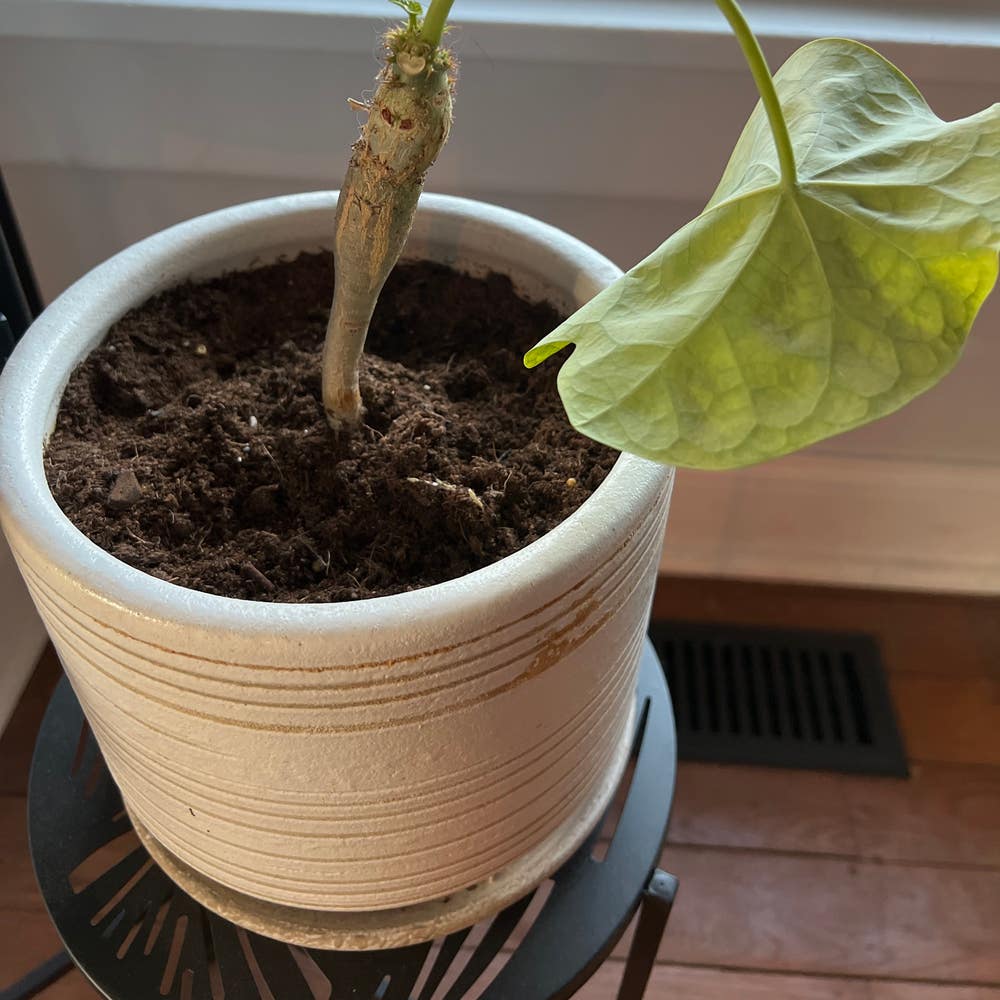
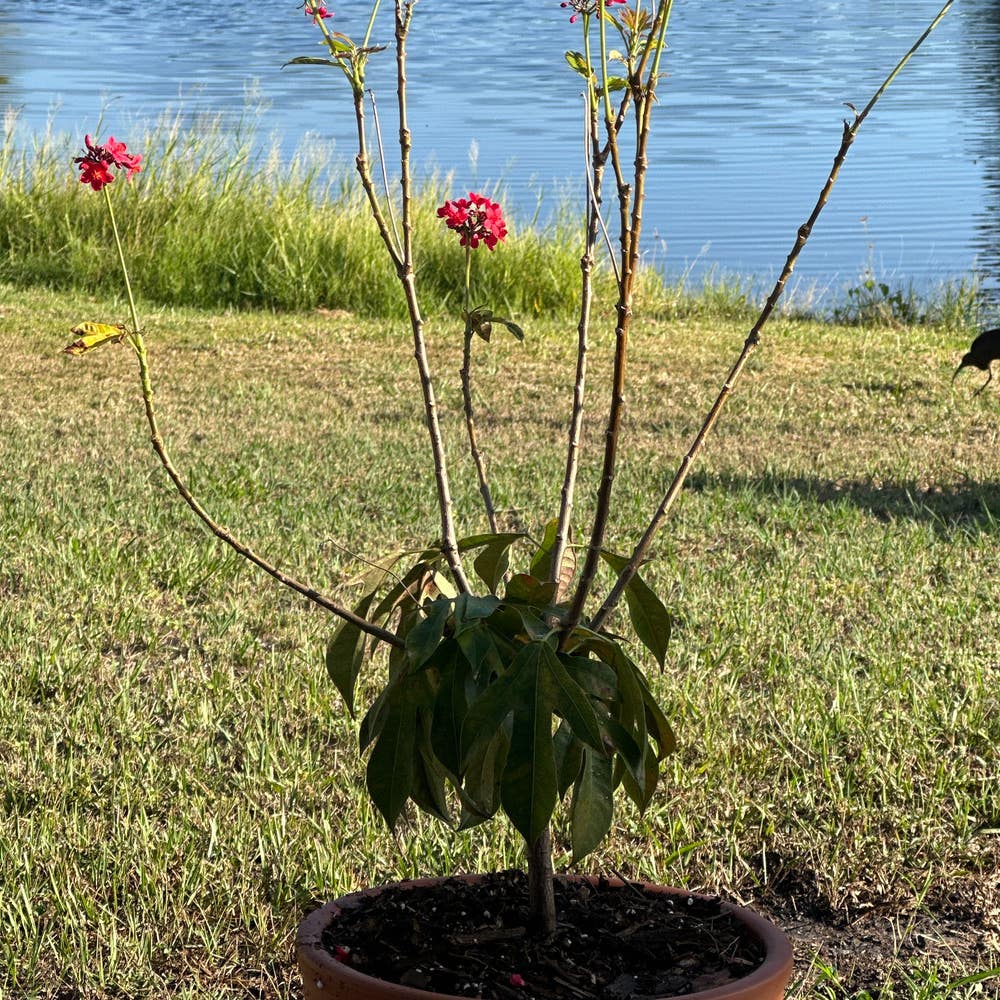
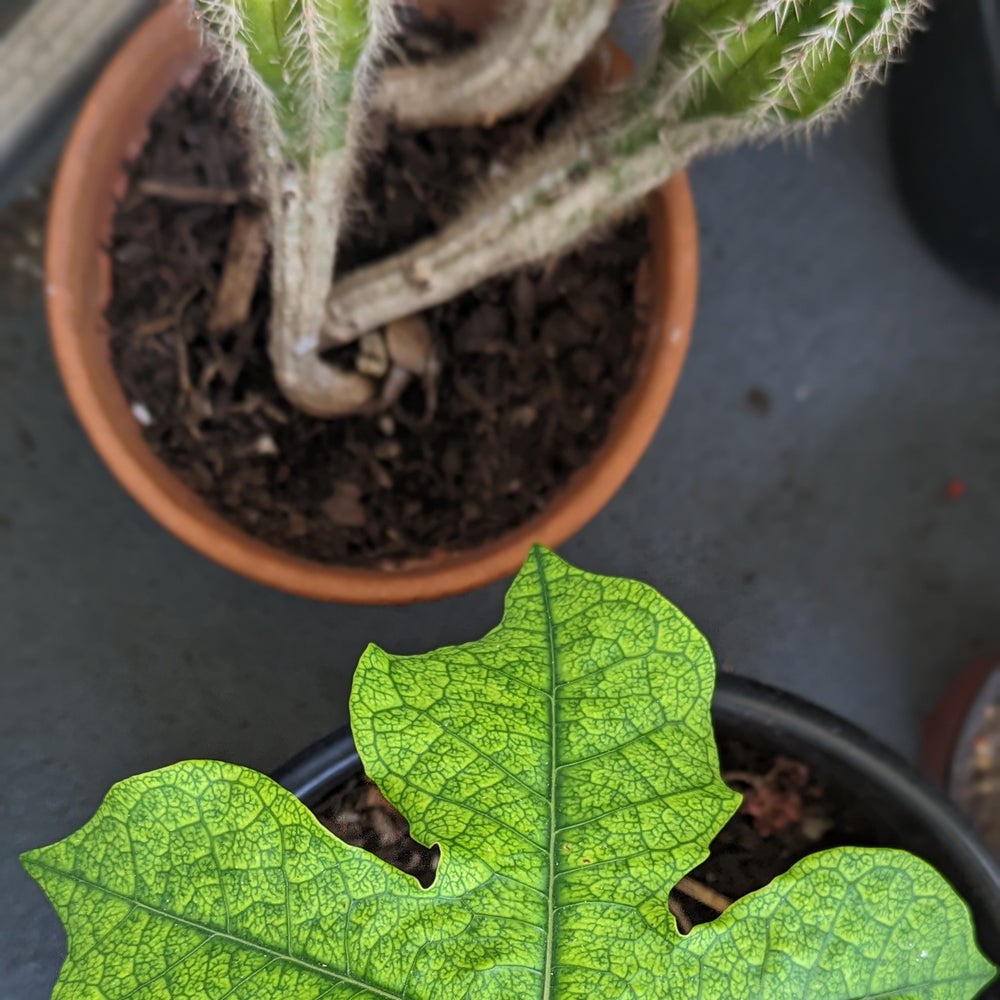
🧘 3 Factors for Optimal Buddha Belly Plant Growth
Jatropha podagrica
By the Greg Editorial Team
Nov 08, 2024•6 min read
This article was created with the help of AI so we can cover more plants for you. May contain errors. See one? Report it here.
Unlock the secret to a thriving Buddha Belly plant and elevate your space! 🌱✨
- 🌞 Buddha Belly plants need 6-8 hours of direct sunlight for optimal growth.
- 🌡️ Ideal temperature is 20°C to 30°C with moderate to high humidity for thriving.
- 🌱 Use well-draining soil and water wisely to prevent root rot and promote health.
Optimal Growing Conditions
🌍 Choosing the Right Location
When it comes to growing your Buddha Belly plant, location is key. Consider whether you want to grow indoors or outdoors, as each option has its unique benefits.
Container gardening offers flexibility, allowing you to move your plants to optimize sunlight exposure. Factors like sunlight, space, and climate will significantly influence your choice of location, so choose wisely.
☀️ Light Requirements
Buddha Belly plants thrive in full sun, requiring 6 to 8 hours of sunlight daily. Insufficient light can hinder growth and flowering, leading to a less vibrant plant.
For indoor settings, you may need to supplement natural light with grow lights to ensure your plant gets the energy it needs. This adjustment can make a significant difference in its overall health.
🌡️ Temperature and Humidity Preferences
The ideal temperature range for your Buddha Belly plant is between 20°C to 30°C (68°F to 86°F). Maintaining this temperature will help your plant flourish.
Humidity is also crucial; these plants prefer moderate to high humidity levels. Be mindful of seasonal changes, and protect your plant from cold drafts and frost to keep it thriving.
Soil Preparation and Planting
Ideal Soil Composition and Drainage 🌱
For optimal Buddha Belly plant growth, start with a well-draining potting mix or sandy loam. This ensures that excess water drains away, preventing root rot and promoting healthy roots.
The pH level of your soil is crucial too. Aim for a slightly acidic to neutral range of 6.0 to 7.0 to create the best environment for your plant.
Preparing the Planting Site or Container 🪴
When choosing a container, select one that is at least 12 inches in diameter. This size allows enough room for roots to spread and grow.
To enhance drainage, consider adding perlite or sand to your soil mix. This simple step can make a significant difference in preventing waterlogged conditions.
Step-by-Step Planting Instructions 📋
- Select a healthy seedling or cutting. Look for vibrant leaves and a sturdy stem.
- Fill the container with prepared soil, leaving space for the root ball. This helps avoid overcrowding.
- Plant at the same depth as it was in the nursery. This ensures the plant can adapt without stress.
- Water thoroughly to settle the soil around the roots. This step is vital for eliminating air pockets.
- Place in a location with adequate sunlight. Ensure it gets the full sun it craves for optimal growth.
With the right soil and planting techniques, your Buddha Belly plant will thrive. Next, let’s explore how to keep it hydrated and nourished for continued success.
Watering and Fertilizing
💧 Watering Frequency and Techniques
When starting your Buddha Belly plant, it's crucial to keep the soil consistently moist for the first few weeks. This initial watering sets the foundation for healthy growth.
Once established, water your plant when the top inch of soil feels dry. This approach helps prevent overwatering, which can be detrimental.
For effective watering, consider deep watering techniques. This encourages the roots to grow deeper, promoting a stronger and more resilient plant.
🌱 Best Fertilizers
During the growing season, a balanced NPK fertilizer, such as 10-10-10, is recommended. This ensures your plant receives the essential nutrients it needs to thrive.
Fertilize every 4-6 weeks in spring and summer to support robust growth. This regular feeding schedule will help your plant flourish.
🚨 Signs of Overwatering or Underwatering
Be vigilant for signs of overwatering, such as yellowing leaves, wilting, and root rot. These symptoms indicate that your plant is struggling and may need immediate attention.
Conversely, underwatering can lead to drooping leaves, dry soil, and stunted growth. Adjust your watering practices based on seasonal changes to keep your plant healthy and happy.
Monitoring your plant's needs closely will help you strike the right balance, ensuring optimal growth and vitality.
As you refine your watering and fertilizing routine, you'll be better equipped to tackle the next steps in maintaining your Buddha Belly plant's health.
Pruning and Maintenance
🌱 Importance of Pruning for Growth and Shape
Pruning is essential for your Buddha Belly plant, as it encourages bushier growth and removes any dead or damaged material. The best time to prune is in early spring, just before new growth begins, ensuring your plant thrives throughout the growing season.
✂️ Step-by-Step Pruning Guide
- Use clean, sharp pruning shears. This prevents the spread of disease and ensures a clean cut.
- Remove dead or damaged leaves and stems. This helps the plant focus its energy on healthy growth.
- Trim back leggy growth. This promotes a fuller appearance and encourages branching.
- Shape the plant as desired. Maintain a balanced form to enhance its aesthetic appeal.
🔍 Ongoing Care Routine
Regular inspections for pests and diseases are crucial for maintaining plant health. Adjust your care based on the growth stage and seasonal changes to keep your Buddha Belly plant thriving.
Maintaining humidity levels is especially important for indoor plants. Consider using a humidity tray or misting to create a suitable environment, ensuring your plant remains vibrant and healthy.
With proper pruning and ongoing care, your Buddha Belly plant will flourish, showcasing its unique beauty. Next, let’s explore common challenges and solutions to keep your plant in top shape.
Common Challenges and Solutions
🐛 Identifying and Managing Pests
Pests can be a significant challenge for Buddha Belly plants, but recognizing them early can save your plant.
Common Pests
Aphids are small, soft-bodied insects that often cluster on new growth. Look for curled leaves or a sticky residue on your plant, which indicates their presence. Control methods include spraying with insecticidal soap or introducing beneficial insects like ladybugs.
Mealybugs appear as white, cottony masses on stems and leaves. They can be treated with a cotton swab dipped in alcohol or by using neem oil. Regular inspections can help catch these pests before they become a larger problem.
🦠 Addressing Diseases
Diseases can also hinder your plant's growth, with root rot being one of the most common issues.
Root Rot
Symptoms of root rot include wilting, yellowing leaves, and mushy roots. If you notice these signs, it’s crucial to act quickly to save your plant.
To prevent root rot, ensure proper drainage in your pots and avoid overwatering. Always check that the top inch of soil is dry before watering again.
🌪️ Tips for Overcoming Environmental Stressors
Environmental stressors can affect your Buddha Belly plant's health, so it's essential to be proactive.
Protecting from extreme temperatures and drafts is vital. Keep your plant in a stable environment, away from cold windows or heating vents.
Adjusting care during dry seasons or heavy rainfall is necessary for maintaining optimal conditions. During dry spells, increase humidity with a humidity tray or misting.
Utilizing humidity trays or misting for indoor plants can help maintain the moisture levels your plant craves. This is especially important in winter when indoor air tends to be drier.
By staying vigilant and adapting your care routine, you can overcome these common challenges and ensure your Buddha Belly plant thrives. Next, let’s explore the importance of pruning and maintenance for optimal growth.
⚠️ Safety First
This content is for general information and may contain errors, omissions, or outdated details. It is not medical, veterinary advice, or an endorsement of therapeutic claims.
Always consult a qualified healthcare professional before using any plant as food, medicine, or supplement.
Never eat any plant (or feed one to pets) without confirming its identity with at least two trusted sources.
If you suspect poisoning, call Poison Control (800) 222-1222, the Pet Poison Helpline (800) 213-6680, or your local emergency service immediately.
Spotted an error? Please report it here.
Grow a thriving Buddha Belly plant 🌱 by using Greg's personalized care tips and watering reminders to keep your plant happy and healthy!