10 Tips for Fixing Flower Problems in Buddha Belly Plant 🌸
Jatropha podagrica
By the Greg Editorial Team
Nov 08, 2024•6 min read
This article was created with the help of AI so we can cover more plants for you. May contain errors. See one? Report it here.
Revive your Buddha Belly blooms 🌼 with expert tips to tackle common flowering issues and thrive!
- 🌼 Lack of flower buds? Ensure 6-8 hours of sunlight daily for blooming.
- 🌡️ Environmental stress from temperature and humidity affects blooming; stabilize conditions.
- 🌱 Nutritional deficiencies hinder flowers; use balanced fertilizers for vibrant blooms.
Common Causes of Failure to Bloom
🌱 Identifying the Problem
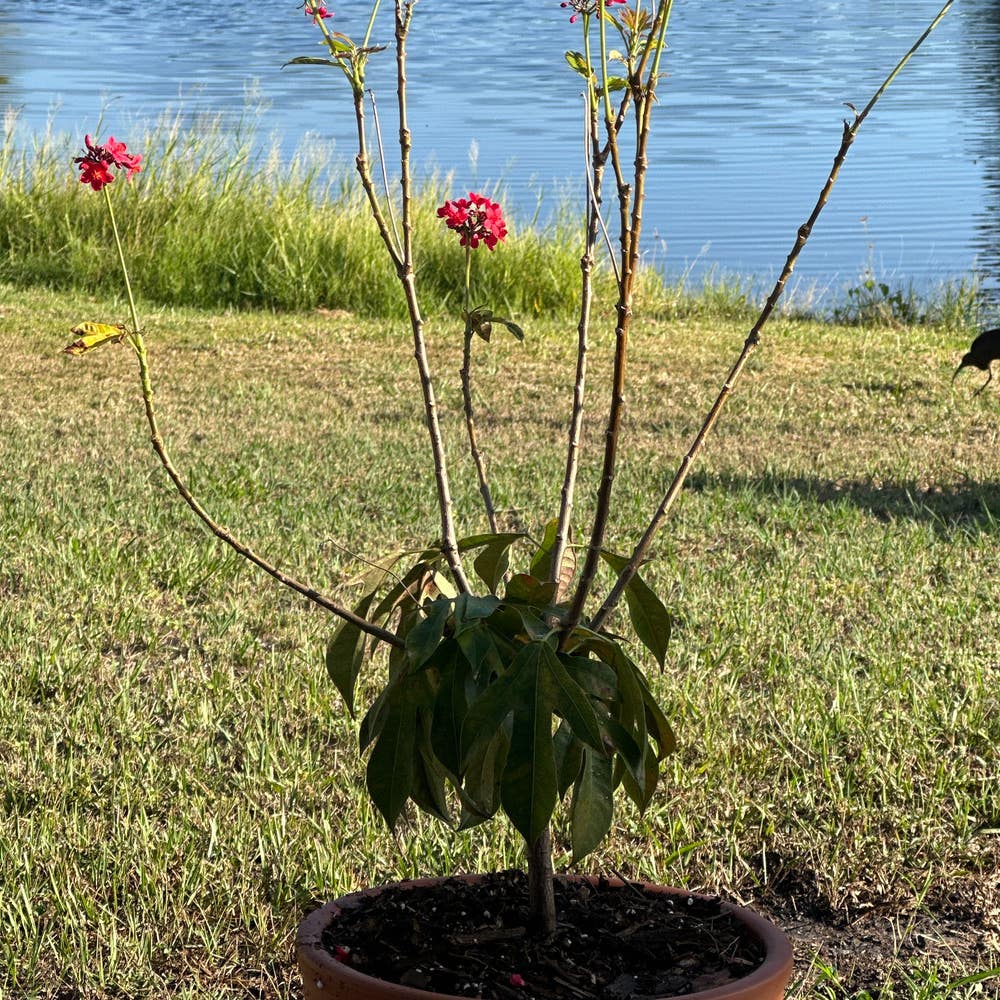
If your Buddha Belly Plant isn't blooming, it’s crucial to recognize the signs. A lack of flower buds during the flowering season is a clear indicator, as is healthy foliage without any flowers.
🌍 Potential Causes
Environmental Stress
Environmental factors can significantly impact blooming. Temperature fluctuations and inconsistent humidity levels can stress the plant, leading to a failure to produce flowers.
💡 Light Requirements
Light plays a vital role in flowering. Insufficient light exposure can hinder bloom development, and seasonal changes may also affect the plant's natural bloom cycle.
🍽️ Nutritional Deficiencies
Nutritional imbalances can prevent flowering as well. A lack of essential nutrients, particularly those crucial for flower development, can leave your plant struggling to bloom.
🌼 Solutions for Encouraging Blooming
Adjusting Environmental Conditions
To encourage blooming, start by stabilizing environmental conditions. Maintaining consistent temperatures and humidity levels can help your plant thrive.
☀️ Optimizing Light Exposure
Ensure your Buddha Belly Plant receives full sun for 6-8 hours daily. This optimal light exposure is essential for promoting healthy blooms.
🌿 Nutrient Management
Fertilizing with a balanced fertilizer during the growing season is key. This practice supports overall plant health and encourages the development of flowers.
By addressing these common causes and implementing these solutions, you can help your Buddha Belly Plant flourish and produce beautiful blooms. Next, let’s explore the issue of premature flower drop and how to prevent it.
Premature Flower Drop
Identifying Signs of Bud Drop 🌼
Premature flower drop can be disheartening for any plant lover. Look out for flower buds that fall off before they have a chance to bloom, leaving you with healthy leaves but a lack of vibrant flowers.
Causes of Premature Flower Drop 🌪️
Several factors can contribute to this frustrating issue.
Environmental Stress 🌡️
Sudden changes in temperature or humidity can shock your Buddha Belly plant, leading to bud drop.
Nutritional Imbalances 🥦
An excess of nitrogen may result in lush foliage but fewer blooms, as the plant prioritizes leaf growth over flowers.
Pests and Diseases 🐛
Infestations can weaken your plant's overall health, making it more susceptible to dropping its buds.
Remedies to Prevent Bud Drop 🛠️
Fortunately, there are effective strategies to combat premature flower drop.
Stabilizing Environmental Conditions 🌍
Gradually acclimatizing your plant to temperature changes can help minimize stress. Aim for a consistent environment to support healthy blooming.
Nutritional Adjustments 🍽️
Switching to a phosphorus-rich fertilizer can encourage blooming. This nutrient is vital for flower development and can help balance out excess nitrogen.
Regular Pest Inspections and Treatments 🔍
Keep a close eye on your plant for any signs of pests. Regular inspections and prompt treatments can protect your plant's health and ensure it remains vibrant.
By addressing these issues, you can help your Buddha Belly plant thrive and enjoy a beautiful display of flowers. Next, let’s explore how to restore normal flower growth when faced with abnormal flower development.
Abnormal Flower Development
🌼 Characteristics of Abnormal Flowers
Abnormal flowers can exhibit unusual shapes, colors, or sizes that deviate from the plant's typical blooms. You might notice flowers that fail to open fully, leaving you with a disappointing display instead of the vibrant blossoms you anticipated.
🌪️ Factors Leading to Abnormal Flower Development
Several factors can contribute to these irregularities. Environmental stressors, such as inconsistent watering practices and poor soil conditions, can hinder flower development.
Nutritional deficiencies also play a significant role. A lack of specific micronutrients can affect the overall quality of the flowers, leading to abnormal growth patterns.
🌱 Solutions for Restoring Normal Flower Growth
To restore normal flower growth, start by improving your watering techniques. Aim for consistent moisture without waterlogging the soil, as both extremes can stress the plant.
Next, consider soil amendments. Using well-draining, nutrient-rich soil can provide the foundation your plant needs to thrive.
Finally, focus on fertilization strategies. Incorporating micronutrients into your feeding routine can significantly enhance flower quality, ensuring your Buddha Belly Plant produces the stunning blooms you desire.
With these adjustments, you can encourage your plant to return to its blooming glory. Now, let’s explore how light impacts flowering and how you can optimize it for better results.
Impact of Light on Flowering
🌼 Importance of Light for Flowering
Light plays a crucial role in the bloom cycle of the Buddha Belly plant. It fuels photosynthesis, providing the energy necessary for flower development.
☀️ Optimal Light Conditions
For optimal blooming, your plant needs full sun exposure, ideally 6-8 hours daily. Insufficient light can lead to poor flowering, while too much shade can stunt its blooming potential.
🔄 Adjusting Light Exposure to Improve Blooms
To maximize light exposure, consider rotating your plant regularly. This ensures even light distribution across all sides.
If you're growing indoors, using grow lights can significantly enhance light availability. These lights mimic natural sunlight, helping your plant thrive even in low-light conditions.
By optimizing light exposure, you can encourage vibrant blooms and a healthier plant overall. Next, let’s explore the nutritional needs essential for flowering success.
Nutritional Needs for Flowering
🌱 Essential Nutrients for Flowering
To achieve vibrant blooms on your Buddha Belly Plant, it's crucial to provide the right nutrients. Key players in this process include nitrogen, phosphorus, potassium, and various micronutrients.
- Nitrogen promotes lush foliage, but too much can hinder flowering.
- Phosphorus is vital for flower development and root health.
- Potassium supports overall plant vigor and resilience.
🚨 Signs of Nutrient Deficiencies Affecting Blooms
Recognizing nutrient deficiencies early can save your plant from poor flowering. Watch for these visual indicators:
- Yellowing leaves often signal nitrogen deficiency.
- Stunted growth may indicate a lack of phosphorus.
- Poor flower quality can result from insufficient potassium or micronutrients.
🌼 Fertilization Tips to Enhance Flower Production
To keep your Buddha Belly Plant thriving, a consistent fertilization schedule is essential. Here are some practical tips:
- Monthly feeding during the growing season ensures your plant receives necessary nutrients.
- Use balanced NPK fertilizers to provide a well-rounded nutrient profile.
- Consider bloom boosters that are high in phosphorus to encourage more flowers.
By paying attention to your plant's nutritional needs, you can foster a flourishing display of blooms. Next, let’s explore how light conditions impact flowering and how to optimize them for your plant's success.
⚠️ Safety First
This content is for general information and may contain errors, omissions, or outdated details. It is not medical, veterinary advice, or an endorsement of therapeutic claims.
Always consult a qualified healthcare professional before using any plant as food, medicine, or supplement.
Never eat any plant (or feed one to pets) without confirming its identity with at least two trusted sources.
If you suspect poisoning, call Poison Control (800) 222-1222, the Pet Poison Helpline (800) 213-6680, or your local emergency service immediately.
Spotted an error? Please report it here.
Unlock a blooming paradise 🌸 for your Buddha Belly Plant with Greg's tailored care tips and reminders that ensure your plant thrives beautifully!