💧 Buddha's Palm Plant Care: Preventing Wilting
Jatropha podagrica
By the Greg Editorial Team
Oct 19, 2024•6 min read
This article was created with the help of AI so we can cover more plants for you. May contain errors. See one? Report it here.
Transform your wilting Buddha's Palm 🌴 into a thriving beauty with essential care tips and expert insights!
- 💧 Wilting in Buddha's Palm often signals water stress from overwatering or underwatering.
- 🌡️ Ideal temperatures for healthy growth range from 65°F to 85°F (18°C to 29°C).
- 🌱 Consistent moisture and humidity are crucial to prevent wilting and promote vitality.
Common Causes of Wilting Leaves
💧 Water Stress
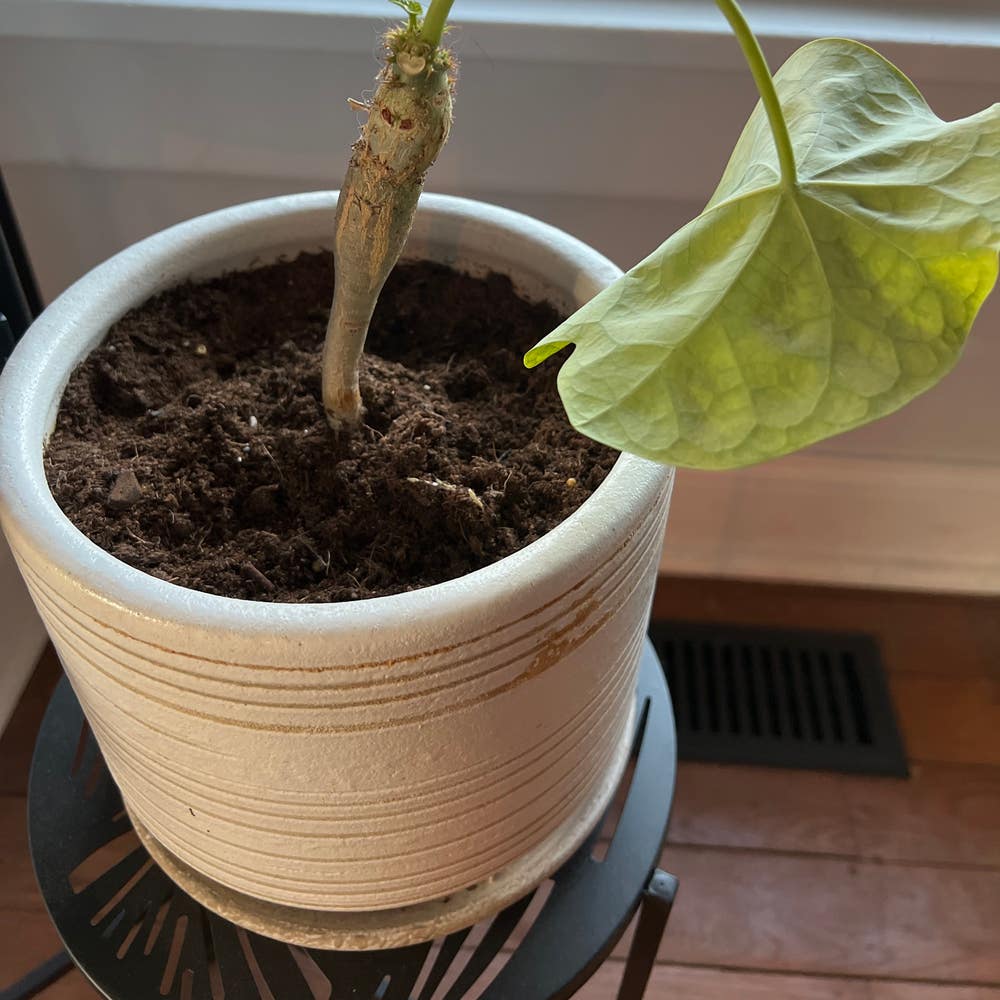
Wilting leaves often signal water stress, which can stem from either overwatering or underwatering. Overwatering manifests as yellowing leaves and root rot, while underwatering leads to dry, crispy leaf tips and an overall droopy appearance.
Maintaining consistent moisture levels is crucial for optimal growth. A balanced watering routine helps prevent these issues and keeps your Buddha's Palm thriving.
🔥 Heat Stress
Heat stress is another common culprit behind wilting. In high temperatures, leaves may curl or become crispy, indicating that your plant is struggling.
The ideal temperature range for Buddha's Palm is between 65°F to 85°F (18°C to 29°C). Regularly monitor temperature fluctuations, especially in indoor settings, to ensure your plant remains comfortable.
🦠 Disease-Related Wilting
Diseases can also cause wilting, with root rot and fungal infections being the most common offenders. Symptoms often include wilting accompanied by discoloration or mushy roots.
However, it's important to note that pathogenic wilt is unlikely to be the primary cause of wilting leaves. Keeping an eye on your plant's overall health can help you catch these issues early.
Understanding these common causes will empower you to take proactive steps in your plant care routine. Next, let’s explore how to diagnose wilting effectively.
Diagnosing Wilting
🕵️♂️ Step-by-Step Guide to Diagnose Wilting
Diagnosing wilting in your Buddha's Palm is essential for effective care. Here’s a straightforward guide to help you identify the issue.
👀 1. Observe Leaf Condition
Start by examining the leaves closely. Look for signs of discoloration, drooping, or crispy edges, which can indicate stress.
💧 2. Check Soil Moisture
Next, assess the soil moisture. Use a moisture meter or simply insert your finger about 1-2 inches deep to feel for dampness.
🌡️ 3. Assess Environmental Conditions
Evaluate the surrounding environment. Check the temperature and humidity levels, as extreme conditions can lead to wilting.
🌱 4. Inspect Roots
Gently remove the plant from its pot to inspect the roots. Healthy roots should be firm and white, while mushy or brown roots signal potential problems.
🔄 5. Identify Recent Changes
Finally, take note of any recent changes in care routines or environmental conditions. Adjustments in watering, light, or temperature can significantly impact your plant's health.
By following these steps, you can pinpoint the cause of wilting and take appropriate action. Understanding these signs will empower you to keep your Buddha's Palm thriving.
Next, let’s explore effective solutions for reviving those wilting leaves.
Solutions for Wilting Leaves
🌊 Addressing Water Stress
Water stress is a common culprit behind wilting leaves.
For overwatering, allow the soil to dry out and improve drainage to prevent root rot.
Conversely, if underwatering is the issue, increase your watering frequency to ensure consistent moisture.
☀️ Managing Heat Stress
Heat stress can also lead to wilting.
Consider relocating your plant to a cooler area or providing shade during peak heat hours.
Using a humidity tray can help maintain moisture levels, creating a more stable environment.
🦠 Solutions for Disease-Related Wilting
Diseases like root rot can cause significant wilting.
Treat root rot with fungicides and improve drainage to help your plant recover.
If roots are severely affected, remove them and repot the plant in fresh, well-draining soil.
🌱 Techniques for Reviving a Wilted Plant
Reviving a wilted plant can be straightforward with the right techniques.
Bottom Watering: Place the pot in a shallow dish of water for 30 minutes. This allows the roots to absorb moisture from below.
Temporary Relocation: Move the plant to a more suitable environment with stable temperature and humidity. This can provide immediate relief.
Pruning Damaged Leaves: Use clean, sharp scissors to remove wilted or damaged leaves. This helps the plant focus its energy on new growth.
By addressing these issues promptly, you can help your Buddha's Palm thrive and prevent further wilting.
Next, let’s explore preventive measures to minimize the risk of wilting in the future.
Preventive Measures
Best Practices to Minimize Wilting Risk 🌱
To keep your Buddha's Palm thriving, regularly check the soil moisture. Adjust your watering schedule based on the moisture level to prevent both overwatering and underwatering.
Additionally, keep an eye on temperature and humidity levels, especially during seasonal changes. A little vigilance goes a long way in maintaining plant health.
Environmental Adjustments for Optimal Growth 🌞
Proper light exposure is crucial for your plant's well-being. Aim for indirect light, as direct sunlight can be too harsh and lead to wilting.
Humidity also plays a significant role in growth. Maintaining levels between 40-60% creates an ideal environment for your Buddha's Palm to flourish.
By implementing these preventive measures, you can significantly reduce the risk of wilting. This proactive approach not only enhances your plant's health but also enriches your gardening experience.
Next, let’s explore the unique characteristics of the Buddha's Palm and how they affect its care.
Unique Characteristics
🌱 Sensitivity to Environmental Changes
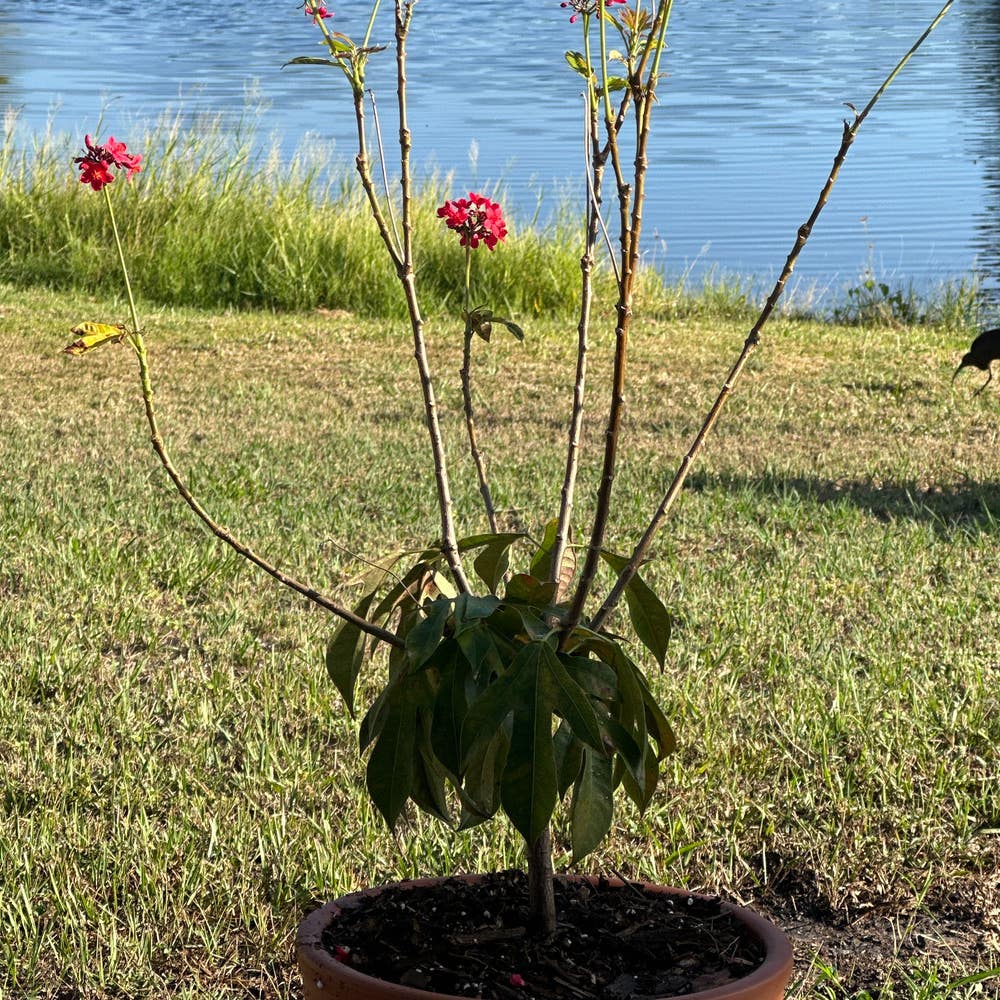
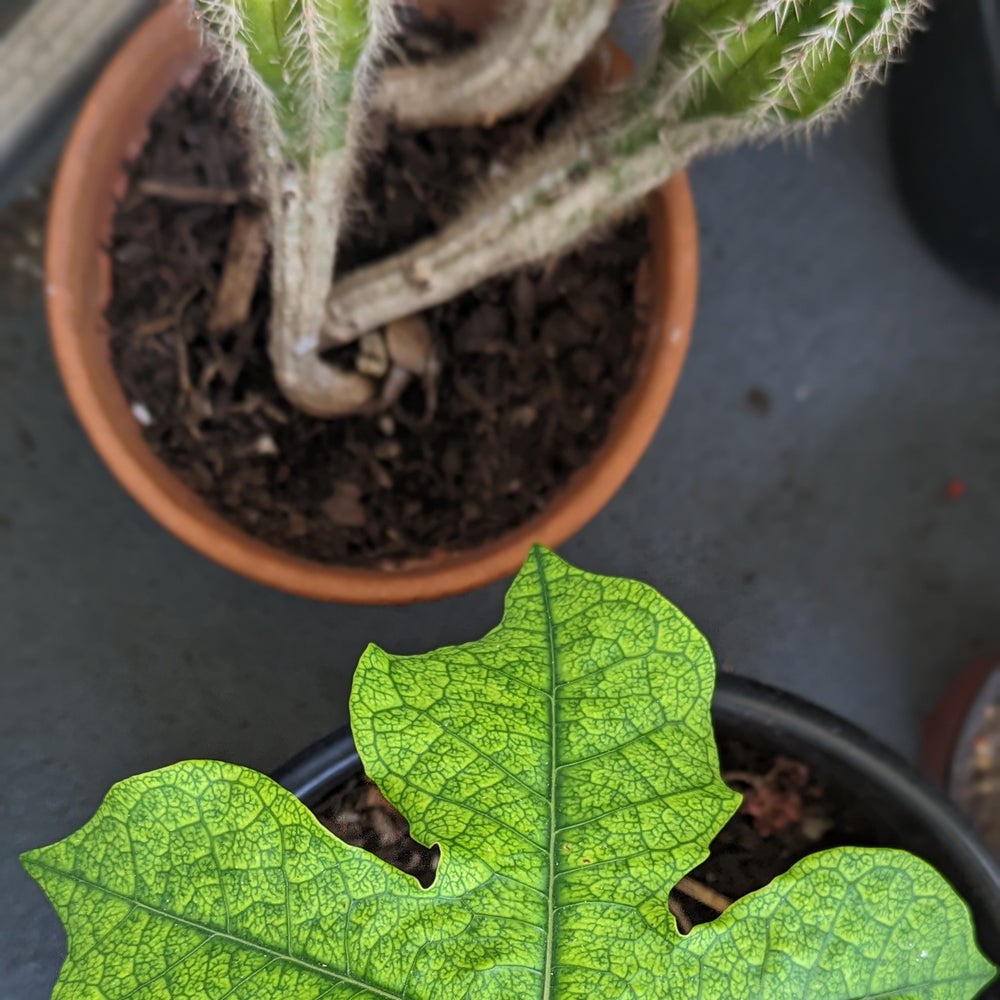
Buddha's Palm plant boasts unique fan-shaped leaves that are especially sensitive to moisture and temperature fluctuations. This sensitivity means that even minor changes in their environment can lead to noticeable stress.
Gradual acclimatization is crucial when introducing your plant to new settings. Sudden shifts in temperature or humidity can shock the plant, leading to wilting or other stress symptoms.
Understanding these characteristics helps you provide the best care possible. By being mindful of your plant's needs, you can create an environment where it thrives, rather than just survives.
Next, let's explore when to seek help for your Buddha's Palm if you notice persistent issues.
When to Seek Help
🚨 Signs That Require Expert Assistance
If your Buddha's Palm is wilting persistently despite your best care efforts, it’s time to consider seeking help. Additionally, look out for severe disease symptoms or pest infestations, which can escalate quickly if not addressed.
🛠️ Resources for Assistance
Local nurseries are a fantastic resource for expert advice and plant care tips. They often have knowledgeable staff who can provide tailored solutions for your plant's specific issues.
Plant experts can also offer consultations for more complex problems. Their insights can help you navigate tricky situations that might be beyond general care guidelines.
Don’t underestimate the power of online communities like Greg. These platforms allow you to connect with fellow plant enthusiasts who share their experiences and solutions, creating a supportive network for troubleshooting.
In summary, knowing when to seek help can save your plant and enhance your gardening journey. With the right resources, you can tackle any challenge that comes your way.
⚠️ Safety First
This content is for general information and may contain errors, omissions, or outdated details. It is not medical, veterinary advice, or an endorsement of therapeutic claims.
Always consult a qualified healthcare professional before using any plant as food, medicine, or supplement.
Never eat any plant (or feed one to pets) without confirming its identity with at least two trusted sources.
If you suspect poisoning, call Poison Control (800) 222-1222, the Pet Poison Helpline (800) 213-6680, or your local emergency service immediately.
Spotted an error? Please report it here.
Keep your Buddha's Palm thriving and lush 🌱 by using Greg's tailored watering reminders and care tips to maintain the perfect moisture levels and environment!