🌿 Buddha Belly Plant Is a Garden Plant, Not a Weed
Jatropha podagrica
By the Greg Editorial Team
Nov 08, 2024•6 min read
This article was created with the help of AI so we can cover more plants for you. May contain errors. See one? Report it here.
Transform your garden with the Buddha Belly Plant, a beauty that boosts biodiversity and supports local ecosystems! 🌱
- 🌱 Buddha Belly Plant is a garden-friendly species, coexisting without overwhelming local flora.
- 🌼 Attracts pollinators like bees and butterflies, enhancing biodiversity in your garden.
- 🌞 Low maintenance and drought-tolerant, perfect for sustainable gardening with minimal effort.
Plant Classification
Definition of Invasive Species 🌱
Invasive species are plants that exhibit certain characteristics, making them problematic in new environments. They typically grow and spread rapidly, displacing native species and negatively impacting local ecosystems.
These plants can outcompete native flora for resources, leading to a decline in biodiversity. Their aggressive growth patterns can disrupt the balance of local habitats, creating challenges for conservation efforts.
Why Buddha Belly Plant is Not Invasive 🧘♂️
The Buddha Belly Plant stands out for its controlled growth and limited natural range. Unlike invasive species, it spreads in a manageable way, allowing it to coexist with other plants without overwhelming them.
This plant contributes positively to ecological balance by supporting local wildlife. It provides food and shelter without displacing native species, making it a valuable addition to gardens and landscapes.
Growth Habits
🌱 Typical Growth Patterns in Gardens
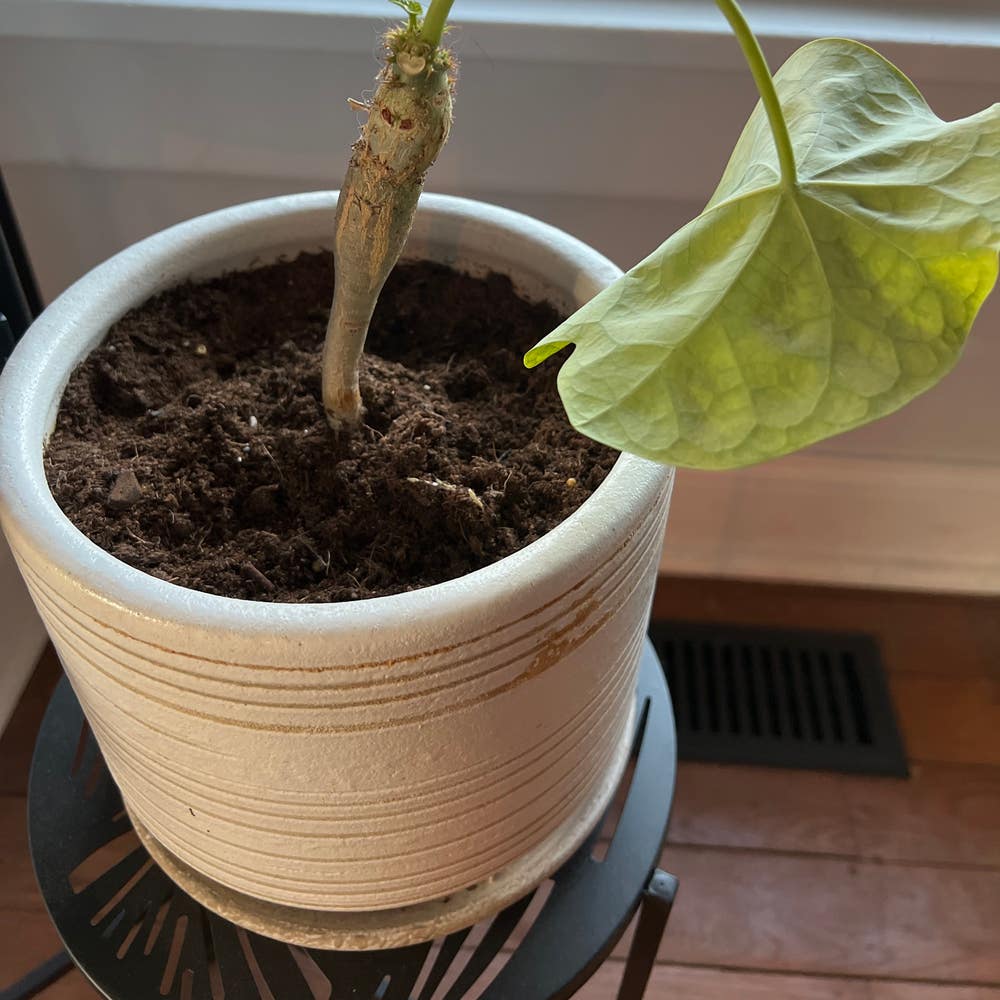
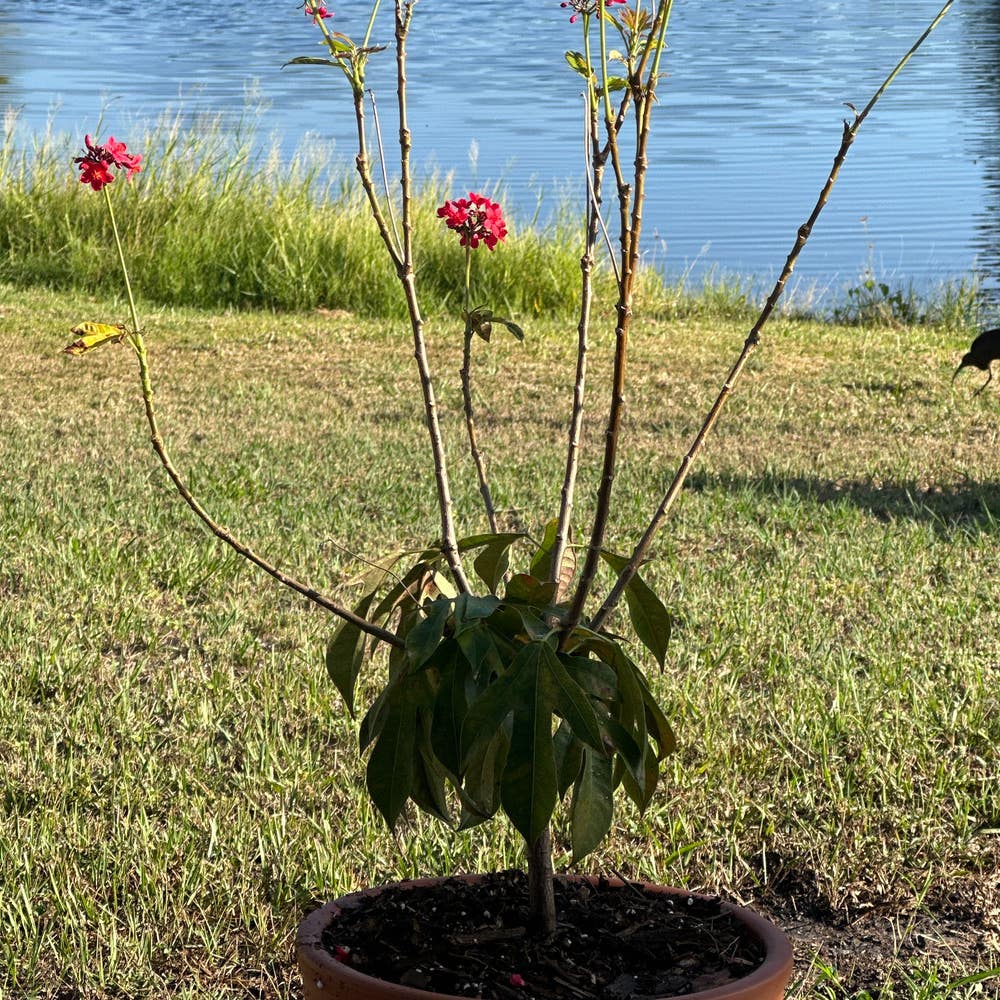
The Buddha Belly Plant typically reaches a height of 3 to 6 feet, making it a striking addition to any garden. Its shrub-like form features a distinctive bulbous stem that adds character and interest.
Bright red or yellow flowers bloom seasonally, creating a vibrant display that attracts attention. These colorful blooms not only enhance the garden's aesthetics but also serve as a beacon for pollinators.
🌍 Natural Limits to Growth and Spread Potential
This plant thrives in poor soil conditions, showcasing its adaptability. Its drought-tolerant nature means it requires less water, which reduces competition with other plants in your garden.
By conserving water, the Buddha Belly Plant can coexist harmoniously with its surroundings, making it an excellent choice for sustainable gardening.
🌸 Seasonal Growth Cycles
The active growth period for the Buddha Belly Plant occurs in spring and summer, when it flourishes and showcases its beautiful flowers. As fall and winter approach, the plant enters a dormancy phase, slowing its growth significantly.
This seasonal cycle allows gardeners to enjoy a lively display during warmer months while requiring minimal maintenance during the colder seasons.
With its unique growth habits and seasonal cycles, the Buddha Belly Plant is a fantastic choice for adding both beauty and resilience to your garden. Next, we’ll explore its ecological role and the benefits it brings to local ecosystems.
Ecological Role
Benefits to Local Ecosystems 🌼
The Buddha Belly Plant plays a vital role in local ecosystems by attracting pollinators like bees and butterflies. Its bright flowers not only add beauty to gardens but also serve as a crucial food source for these essential insects.
Positive Interactions with Wildlife 🐦
Beyond attracting pollinators, the Buddha Belly Plant provides habitat and sustenance for various wildlife. The nectar-rich flowers support pollinators, while birds and other animals help with seed dispersal, ensuring the plant's continued growth and presence in the environment.
Contributions to Biodiversity in Gardens 🌿
Incorporating the Buddha Belly Plant into your garden enhances biodiversity significantly. Its unique visual appeal and ecological benefits create a more vibrant and balanced ecosystem, supporting beneficial insects and fostering a thriving garden environment.
This plant not only beautifies your space but also contributes positively to the surrounding ecosystem, making it a fantastic choice for any garden enthusiast. As we explore garden management next, consider how to effectively incorporate this remarkable plant into your landscape.
Garden Management
Effective Incorporation into Garden Designs 🌿
The Buddha Belly Plant is a fantastic choice for tropical gardens or as a striking focal point in your landscape design. Its unique shape and vibrant flowers can elevate any garden space, making it a conversation starter.
Companion planting is another way to maximize its benefits. This plant pairs beautifully with other drought-tolerant species, creating a harmonious and sustainable garden environment.
Aesthetic Considerations for Placement 🎨
Visually, the Buddha Belly Plant stands out with its bulbous stem and colorful blooms. Its striking appearance not only enhances garden aesthetics but also adds a touch of exotic flair.
Seasonal interest is another perk. The bright flowers provide a burst of color during the blooming season, ensuring your garden remains lively and inviting throughout the year.
Methods for Controlling Growth if Necessary ✂️
While the Buddha Belly Plant is relatively easy to manage, regular pruning can help maintain its desired size and shape. This simple task ensures that it fits well within your garden's overall design.
Monitoring growth patterns is also essential. Keeping an eye on its spread can prevent overcrowding and ensure that all your plants thrive together harmoniously.
Incorporating the Buddha Belly Plant into your garden not only enhances its beauty but also supports a balanced ecosystem. As you plan your garden, consider how this unique plant can contribute to both aesthetics and ecological health.
Comparison to Other Plants
🌱 Unique Qualities of Buddha Belly Plant
The Buddha Belly Plant is easily recognizable due to its distinctive bulbous stem, which serves as a unique adaptation for water storage. This feature not only adds character to your garden but also makes it a conversation starter among plant enthusiasts.
In addition to its striking stem, the plant produces bright, attractive blooms that can be red or yellow, creating a vibrant display in any garden setting. These flowers not only enhance visual appeal but also attract pollinators, making the plant a valuable addition to your landscape.
🌟 Benefits of Choosing Buddha Belly Plant Over Others
One of the standout benefits of the Buddha Belly Plant is its low maintenance requirements. Unlike many ornamental plants that demand constant attention, this hardy species thrives with minimal care, making it perfect for busy gardeners.
Moreover, its drought resistance makes it an ideal choice for water-wise gardening practices. This means you can enjoy a beautiful garden while conserving water, contributing to a more sustainable environment.
In summary, the Buddha Belly Plant offers unique aesthetic qualities and practical benefits that set it apart from other garden plants. Its resilience and beauty make it a fantastic choice for anyone looking to enhance their garden with minimal effort.
As we explore the next section, we'll delve into the legal and environmental considerations surrounding the cultivation of the Buddha Belly Plant.
Legal and Environmental Considerations
🌱 Relevant Classifications and Guidelines for Planting
Before introducing the Buddha Belly Plant to your garden, it's essential to check local regulations. Some areas may have restrictions on planting non-native species, so understanding your region's guidelines is crucial.
Responsible gardening practices are also recommended. This includes ensuring that the Buddha Belly Plant is planted in a way that does not disrupt local ecosystems or native flora.
♻️ Sustainable Gardening Practices Involving Buddha Belly Plant
Incorporating the Buddha Belly Plant into your garden can align with eco-friendly gardening principles. Pairing it with native and non-invasive species promotes a balanced ecosystem.
Additionally, this plant's drought tolerance makes it a fantastic choice for water conservation. By choosing drought-resistant plants, you can create a sustainable landscape that thrives with minimal water.
🌍 Environmental Impact and Benefits of Cultivation
Cultivating the Buddha Belly Plant positively impacts local biodiversity. It provides essential support for wildlife, enhancing the ecological health of your garden.
Moreover, this plant has a low ecological footprint. Its minimal resource requirements for growth and maintenance make it an excellent choice for environmentally conscious gardeners.
In summary, the Buddha Belly Plant not only beautifies your garden but also contributes to a healthier environment. As you consider its place in your landscape, remember the benefits it brings to both your garden and the local ecosystem.
⚠️ Safety First
This content is for general information and may contain errors, omissions, or outdated details. It is not medical, veterinary advice, or an endorsement of therapeutic claims.
Always consult a qualified healthcare professional before using any plant as food, medicine, or supplement.
Never eat any plant (or feed one to pets) without confirming its identity with at least two trusted sources.
If you suspect poisoning, call Poison Control (800) 222-1222, the Pet Poison Helpline (800) 213-6680, or your local emergency service immediately.
Spotted an error? Please report it here.
Transform your garden into a biodiversity haven 🌼 with the Buddha Belly Plant, and let Greg provide you with tailored care tips to keep it thriving effortlessly!