👐 Top 8 Companions for a Healthy Buddha's Palm Plant Garden
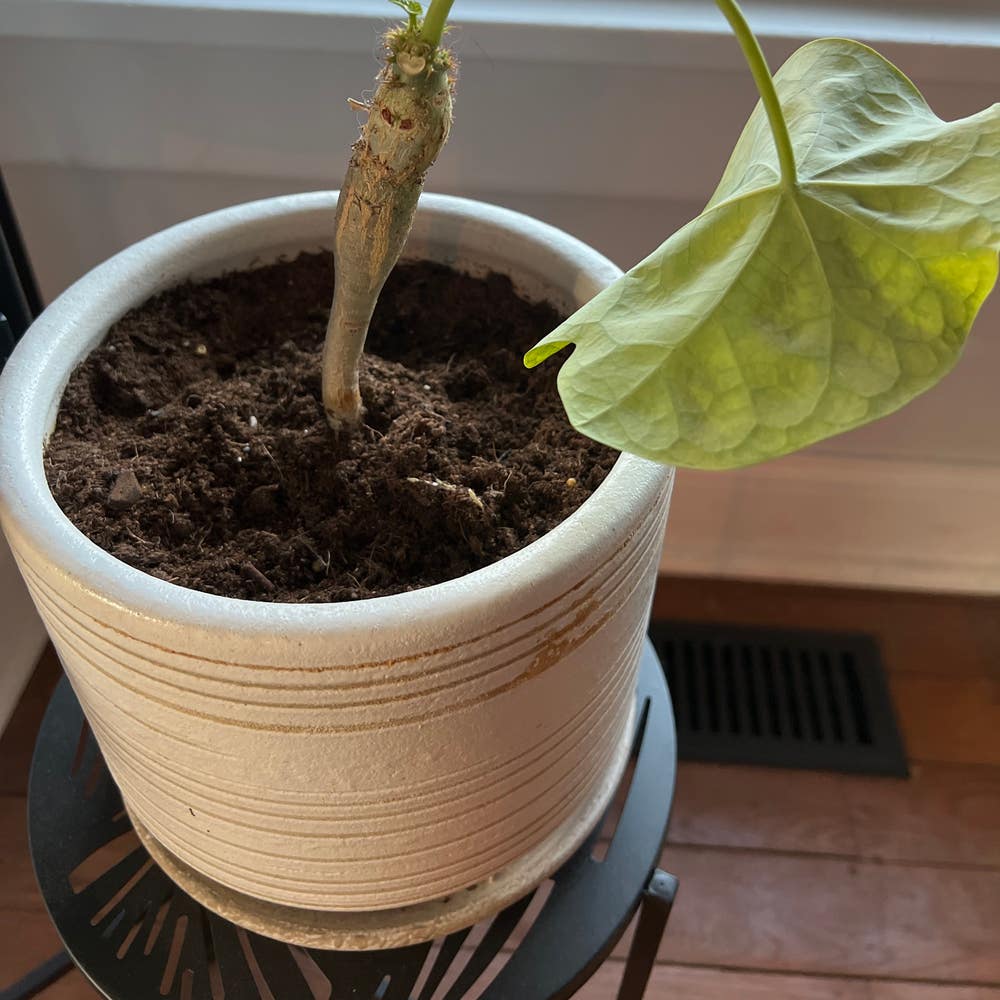
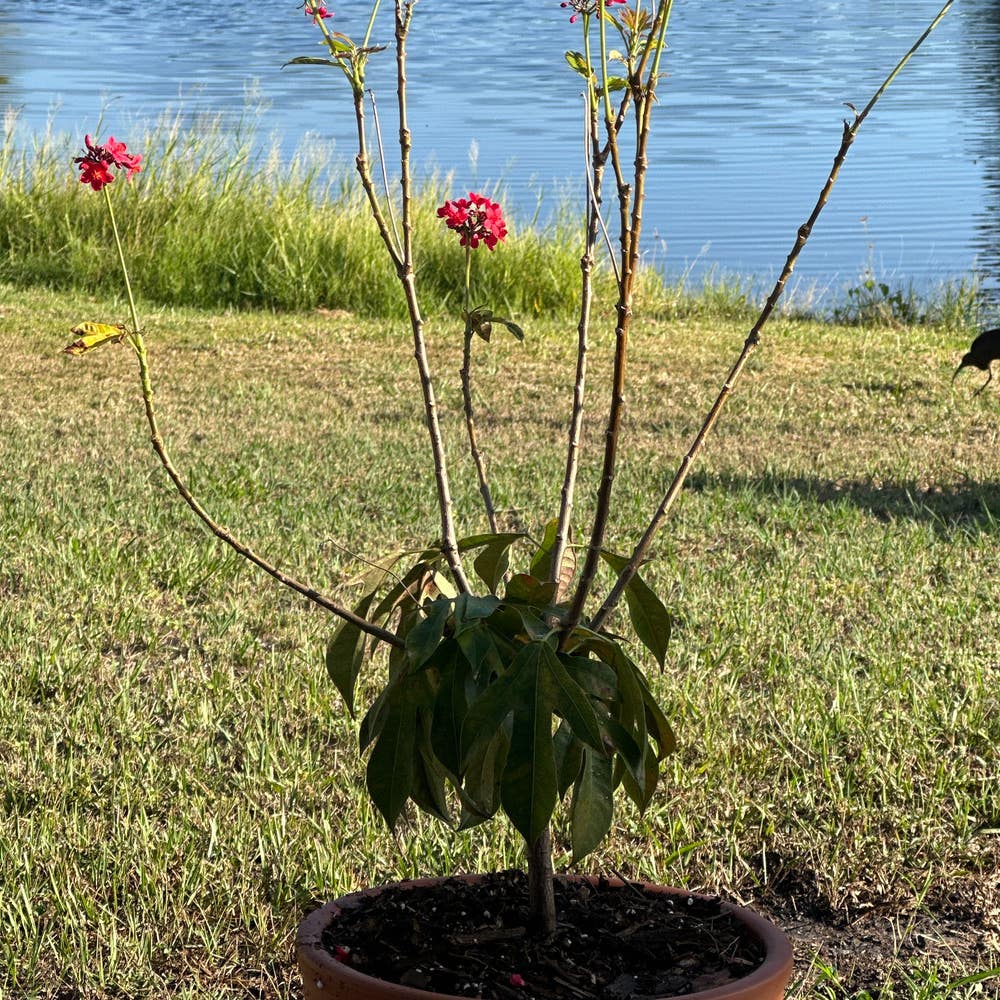
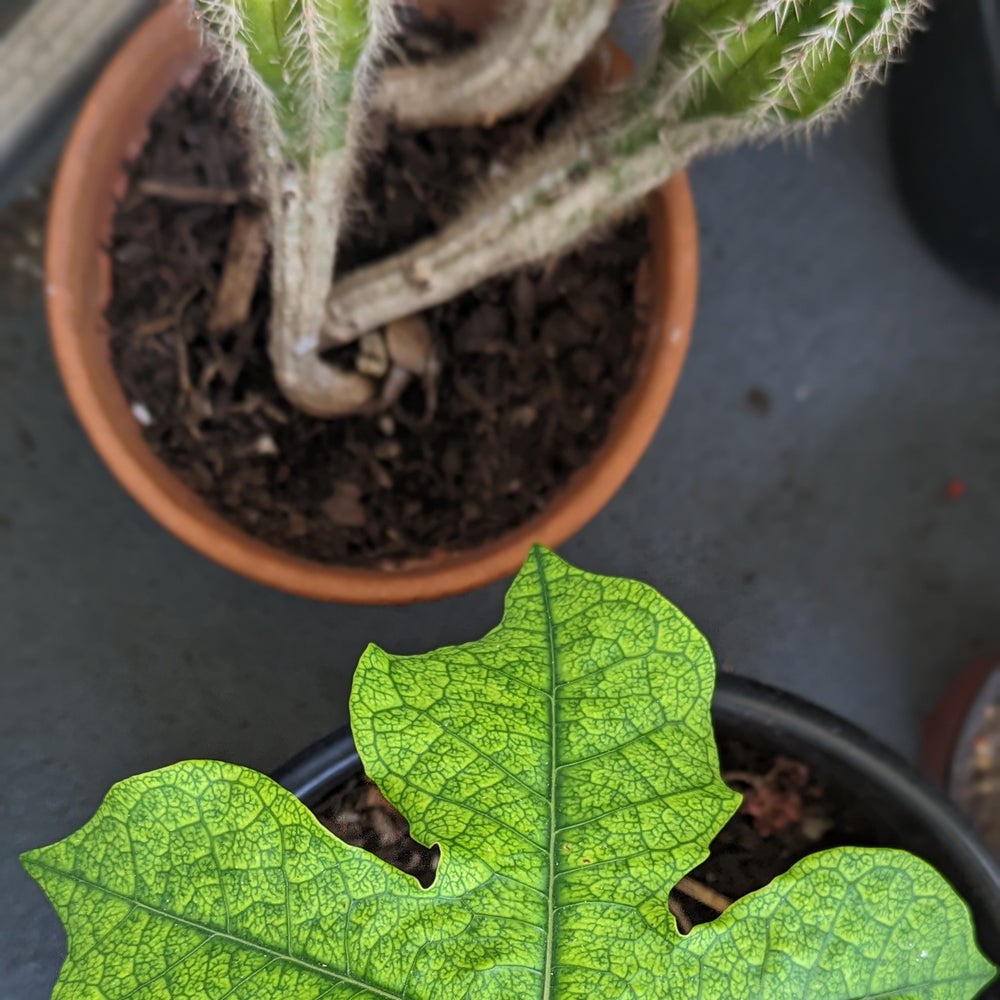
Jatropha podagrica
By the Greg Editorial Team
Oct 19, 2024•5 min read
This article was created with the help of AI so we can cover more plants for you. May contain errors. See one? Report it here.
Elevate your indoor garden's beauty and health with perfect companions for Buddha's Palm! 🌿
- 🌱 Areca Palm and Peace Lily thrive with Buddha's Palm, enhancing air quality and pest control.
- 🌿 Avoid cacti and heavy feeders to prevent nutrient competition and overwatering issues.
- 🎨 Layering plants creates visual appeal, fostering a vibrant and balanced indoor garden.
Top Companion Plants for Buddha's Palm
🌴 Areca Palm
The Areca Palm is a fantastic companion for your Buddha's Palm. Both plants thrive in similar humidity and light conditions, making them a perfect match.
Additionally, the Areca Palm acts as a natural air purifier, enhancing indoor air quality. This means not only do they look good together, but they also help create a healthier environment.
🌺 Peace Lily
The Peace Lily is another excellent choice, known for its stunning white blooms. It thrives in similar conditions as the Buddha's Palm, adding a touch of elegance to your garden.
Moreover, this plant is recognized for its pest-repellent properties, keeping common indoor pests at bay. With its beauty and functionality, the Peace Lily is a must-have companion.
🐍 Snake Plant
If you're looking for low maintenance, the Snake Plant is your go-to. It tolerates varying light conditions, making it adaptable to different indoor environments.
This resilient plant also helps improve air quality, making it a beneficial addition to your garden. Its hardiness means you can enjoy its benefits without much fuss.
🕷️ Spider Plant
The Spider Plant excels in indoor gardening, thriving in indirect light. It's an excellent choice for those who want a lush look without demanding care.
Not only does it add greenery, but it’s also effective at removing toxins from the air. This makes the Spider Plant a great ally in promoting a healthy living space.
🍃 Pothos
Pothos is a fast-growing vine that can tolerate low light and irregular watering. Its cascading foliage enhances the visual appeal of your garden, creating a dynamic atmosphere.
This plant is not just pretty; it also helps keep your space vibrant and lively. With its ease of care, Pothos is perfect for both novice and experienced gardeners.
These companion plants not only support the health of your Buddha's Palm but also enhance the overall aesthetic of your indoor garden. Next, let’s explore how these companions can help with pest management, ensuring your plants thrive together.
Pest Management
🛡️ How Companion Plants Help with Pest Management
Companion plants are more than just pretty faces in your garden; they can be your first line of defense against pests. Many of these plants release natural compounds that repel unwanted visitors, keeping your Buddha's Palm safe and healthy.
Additionally, certain companion plants attract beneficial insects. These pollinators and predatory insects can help control pest populations, creating a balanced ecosystem in your garden.
🐞 Specific Pests That Buddha's Palm May Face
Buddha's Palm can encounter a few common pests that threaten its health. Spider mites, mealybugs, and aphids are the usual suspects that can wreak havoc on your plant.
Watch for signs of infestation, such as yellowing leaves, webbing, or sticky residue on the foliage. Early detection is key to preventing serious damage.
🌿 Companion Plants That Repel Pests
Some companion plants are particularly effective at keeping pests at bay. The Peace Lily is known for its ability to repel common indoor pests, making it a great addition to your garden.
The Snake Plant is another ally, known to deter spider mites effectively. Meanwhile, Pothos can help keep aphids away, ensuring your Buddha's Palm remains vibrant and healthy.
By strategically choosing companion plants, you can create a thriving environment that not only looks good but also protects your Buddha's Palm from pests. This proactive approach will lead to a healthier garden overall.
Next, let’s explore how these companion plants can enhance the visual appeal of your Buddha's Palm garden.
Visual Appeal
How Companion Plants Enhance the Aesthetic of a Buddha's Palm Garden 🌿
Creating a visually stunning garden is all about layering. Taller plants like the Areca Palm provide height, while trailing plants such as Pothos add depth and dimension. This combination not only looks appealing but also creates a more dynamic environment.
Seasonal interest is another key factor. Different flowering times and foliage colors ensure your garden remains vibrant throughout the year. Imagine the joy of watching your garden transform with each season!
Color and Texture Combinations 🎨
Contrast plays a significant role in garden design. The fan-shaped leaves of the Buddha's Palm beautifully juxtapose with the elongated leaves of the Snake Plant. This visual diversity keeps the eye engaged and adds character to your space.
Incorporating flowering companions like the Peace Lily introduces pops of color against the lush green backdrop. These vibrant blooms can elevate the overall aesthetic, making your Buddha's Palm garden a true visual delight.
As you consider these elements, remember that a well-planned garden not only looks good but also fosters a sense of tranquility and joy. Next, let’s explore how to manage pests effectively in your garden.
Plants to Avoid
🚫 List of plants that should not be planted near Buddha's Palm
When planning your Buddha's Palm garden, it's crucial to avoid certain plants. Cacti and succulents are a no-go; they have different watering needs and can compete for nutrients.
Heavy feeders, like tomatoes or corn, should also be kept at bay. These plants can deplete the soil of essential nutrients, leaving your Buddha's Palm struggling.
❌ Reasons for incompatibility
Watering needs are a significant concern. Buddha's Palm is sensitive to overwatering, and companions that thrive in dry conditions can lead to root rot.
Space considerations are equally important. Tall plants may overshadow the Buddha's Palm, limiting its light exposure and growth potential. Keeping these factors in mind will ensure a thriving garden.
With the right companions, your Buddha's Palm can flourish beautifully. Next, let’s explore how companion plants can enhance the visual appeal of your garden.
⚠️ Safety First
This content is for general information and may contain errors, omissions, or outdated details. It is not medical, veterinary advice, or an endorsement of therapeutic claims.
Always consult a qualified healthcare professional before using any plant as food, medicine, or supplement.
Never eat any plant (or feed one to pets) without confirming its identity with at least two trusted sources.
If you suspect poisoning, call Poison Control (800) 222-1222, the Pet Poison Helpline (800) 213-6680, or your local emergency service immediately.
Spotted an error? Please report it here.
Cultivate a thriving Buddha's Palm garden 🌿 by using Greg's tailored care reminders to choose the perfect companions that will flourish alongside your palm!