3 Essential Indoor Buddha Belly Plant Care Routines 🎋
Jatropha podagrica
By the Greg Editorial Team
Nov 08, 2024•5 min read
This article was created with the help of AI so we can cover more plants for you. May contain errors. See one? Report it here.
Unlock the secret to a thriving Buddha Belly plant 🌱 and elevate your indoor garden with expert care tips!
- 🌞 Buddha Belly plants need 6-8 hours of bright, indirect sunlight daily for thriving.
- 💧 Water when top 1-2 inches of soil are dry to prevent overwatering issues.
- 🌿 Maintain humidity levels of 50-70% using humidifiers or regular misting for optimal health.
Light Requirements
Ideal Indoor Light Levels 🌞
For your Buddha Belly plant to thrive, it craves bright, indirect sunlight for about 6-8 hours each day. While it can adapt to lower light conditions, be aware that this may hinder its growth and affect its overall appearance.
Using Grow Lights 💡
If natural light is scarce, grow lights can be a game changer. They supplement sunlight, ensuring your plant gets the light it needs to flourish.
Choosing the Best Grow Light
When selecting a grow light, consider the type: LED lights are energy-efficient and long-lasting, while fluorescent lights are more affordable upfront. Aim for a wattage between 20-40 watts to support optimal growth.
Placement and Duration
Position your grow light 12-24 inches above the plant for the best results. Keep it on for 12-14 hours a day to mimic natural sunlight and promote healthy growth.
Understanding these light requirements is essential for nurturing your Buddha Belly plant. With the right light conditions, you’ll set the stage for a vibrant and flourishing indoor garden. Next, let’s explore how temperature and humidity play a crucial role in your plant's health.
Temperature and Humidity Control
🌡️ Temperature Requirements
Maintaining the right temperature is crucial for your Buddha Belly plant. Aim for a cozy range between 65°F to 85°F (18°C to 29°C) to keep it thriving.
Protect your plant from chilly drafts and temperatures below 50°F (10°C). Sudden cold snaps can stress the plant and hinder its growth.
💧 Humidity Needs and Control Methods
Humidity plays a vital role in your plant's health. The ideal humidity level for optimal growth is between 50-70%.
To achieve this, consider using humidifiers or placing pebble trays filled with water near your plant. Regular misting of the leaves can also help maintain the necessary moisture levels.
By ensuring the right temperature and humidity, you create a nurturing environment for your Buddha Belly plant. This care will enhance its growth and overall appearance, setting the stage for the next essential care routine: soil type and potting recommendations.
Soil Type and Potting Recommendations
🌱 Soil Type
For your Buddha Belly plant, a well-draining potting mix enriched with organic matter is essential. This type of soil not only supports healthy growth but also helps maintain the right moisture balance.
⚖️ pH Level
Aim for a slightly acidic to neutral pH level, ideally between 6.0 and 7.0. This range ensures that your plant can absorb nutrients effectively, promoting vibrant foliage and overall health.
🪴 Potting Recommendations
When it comes to potting, choose a container that allows for growth. A pot that is 1-2 inches larger in diameter than the current one provides ample space for root expansion.
🚰 Drainage
Always ensure that your pots have drainage holes. This prevents waterlogging, which can lead to root rot and other issues that threaten your plant's vitality.
By following these soil and potting guidelines, you set the stage for a thriving Buddha Belly plant. Next, let’s explore how to keep your plant hydrated and healthy with proper watering techniques.
Watering and Maintenance
Watering Frequency and Techniques 🌊
To keep your Buddha Belly plant thriving, allow the top 1-2 inches of soil to dry out between waterings. When you do water, make sure to do so thoroughly until it drains from the bottom, ensuring the roots get the moisture they need.
Signs of Overwatering and Underwatering 🚨
Watch for signs of overwatering, such as yellowing leaves, mushy stems, and root rot. Conversely, if you notice droopy leaves, dry soil, or shriveled stems, it’s likely a sign of underwatering.
Maintaining Appearance and Health ✂️
Regular pruning is essential; trim away dead or yellowing leaves to encourage new growth. Additionally, keep your plant looking its best by wiping the leaves with a damp cloth to remove dust and enhance photosynthesis.
By following these watering and maintenance tips, your Buddha Belly plant will not only survive but thrive, adding a vibrant touch to your indoor space. Next, let’s explore common issues and solutions to keep your plant healthy and happy.
Common Issues and Solutions
🐛 Identifying and Preventing Pests
Indoor Buddha Belly plants can attract pests like mealybugs, spider mites, and aphids. Regular inspections are crucial; keep your plant clean and consider using insecticidal soap if you spot any unwelcome guests.
🍂 Addressing Leaf Drop and Yellowing
Leaf drop and yellowing can signal issues such as overwatering, underwatering, or insufficient light. To remedy this, adjust your watering schedule and ensure your plant receives adequate light exposure.
🌱 Solutions for Root Rot and Other Diseases
Prevent root rot by ensuring your plant has proper drainage and avoiding overwatering. If you encounter root rot, remove the affected roots and repot your plant in fresh, well-draining soil to promote recovery.
By staying vigilant and proactive, you can keep your Buddha Belly plant thriving and beautiful. Next, let’s explore the best placement options to enhance its growth and aesthetics.
Placement and Aesthetics
🌞 Best Locations for Optimal Growth
To ensure your Buddha Belly plant thrives, place it near east or west-facing windows. These locations provide the bright, indirect sunlight it craves for 6-8 hours daily.
Avoid placing your plant in drafty areas or spots with extreme temperature fluctuations. Consistent conditions are key to maintaining its health and vibrancy.
🎨 Tips for Enhancing Appearance
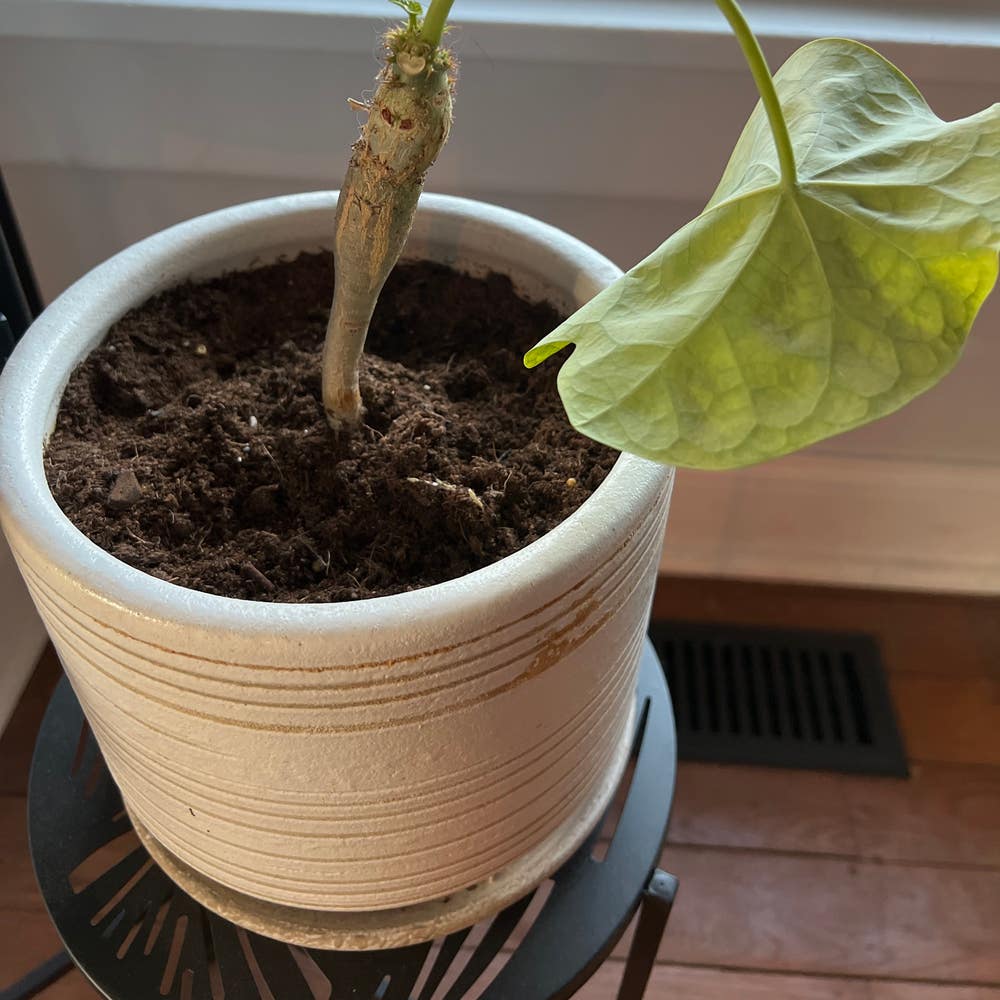
Choosing decorative pots can significantly enhance your plant's aesthetic appeal. Select pots that complement your home decor to create a cohesive look.
Grouping your Buddha Belly plant with other indoor plants can also elevate its visual impact. A lush arrangement not only beautifies your space but also creates a mini indoor garden.
🌿 Companion Plants
Consider pairing your Buddha Belly plant with companions like ferns, peace lilies, or snake plants. These plants not only thrive in similar conditions but also add diversity and texture to your indoor garden.
By thoughtfully selecting the right placement and companions, you can create a stunning indoor environment that showcases your Buddha Belly plant beautifully. This attention to detail will ensure your plant not only survives but flourishes in your home.
⚠️ Safety First
This content is for general information and may contain errors, omissions, or outdated details. It is not medical, veterinary advice, or an endorsement of therapeutic claims.
Always consult a qualified healthcare professional before using any plant as food, medicine, or supplement.
Never eat any plant (or feed one to pets) without confirming its identity with at least two trusted sources.
If you suspect poisoning, call Poison Control (800) 222-1222, the Pet Poison Helpline (800) 213-6680, or your local emergency service immediately.
Spotted an error? Please report it here.
Keep your Buddha Belly plant thriving 🌿 with Greg's tailored watering alerts and light tips that ensure your indoor garden flourishes beautifully!