👐 Best Tips for Buddha's Palm Plant Health
Jatropha podagrica
By the Greg Editorial Team
Oct 19, 2024•5 min read
This article was created with the help of AI so we can cover more plants for you. May contain errors. See one? Report it here.
Revive your Buddha's Palm 🌱 with essential care tips and early warning signs for a thriving, vibrant plant!
- 🌱 Yellow leaves and wilting signal unhealthy Buddha's Palm; act quickly to revive it.
- 💧 Overwatering causes root rot; ensure proper drainage and adjust watering habits.
- ☀️ Light conditions matter—too much or too little can harm growth; find the balance.
Identifying Unhealthy Buddha's Palm
Signs of an unhealthy plant 🌱
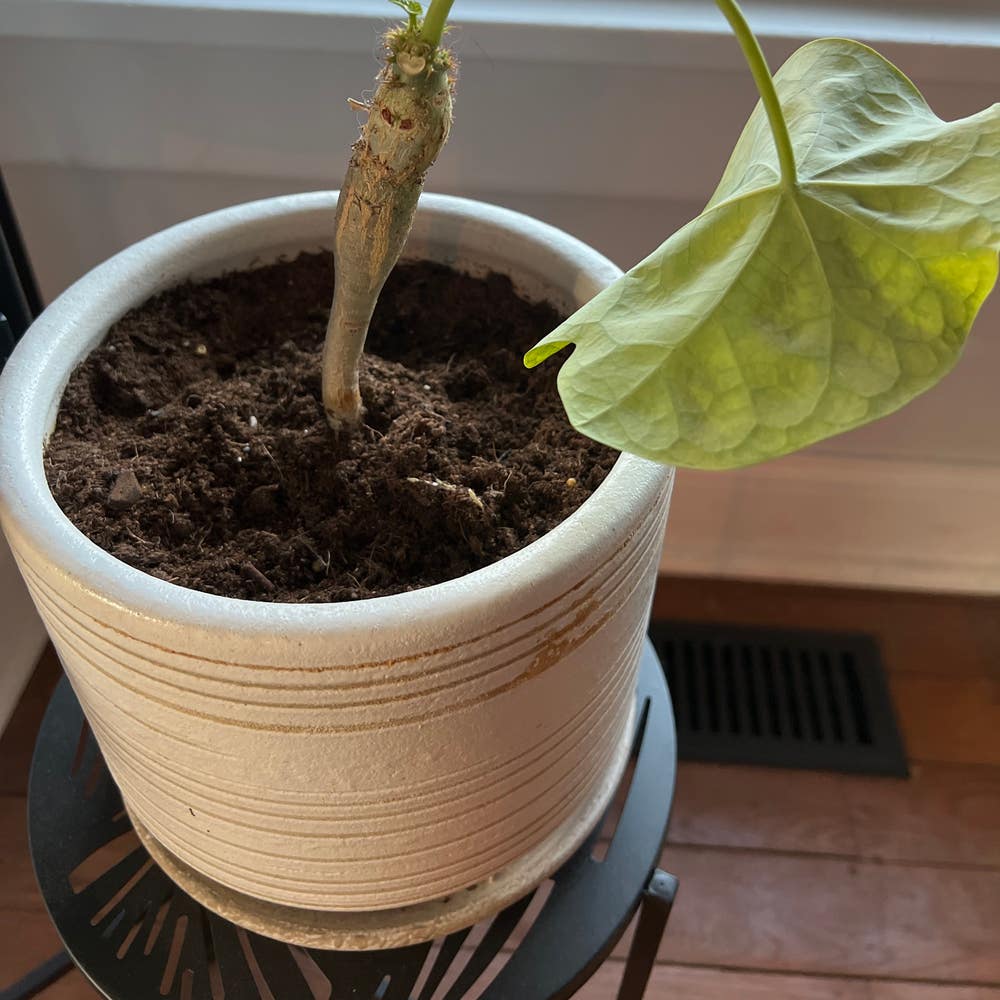
Recognizing an unhealthy Buddha's Palm is crucial for its recovery. Start by looking for yellowing leaves, which often indicate nutrient deficiencies or watering issues.
Next, observe for wilting or drooping leaves. This can suggest either overwatering or underwatering, both of which can stress your plant.
Another red flag is fuzzy growth. This may signal fungal issues or pest infestations that need immediate attention.
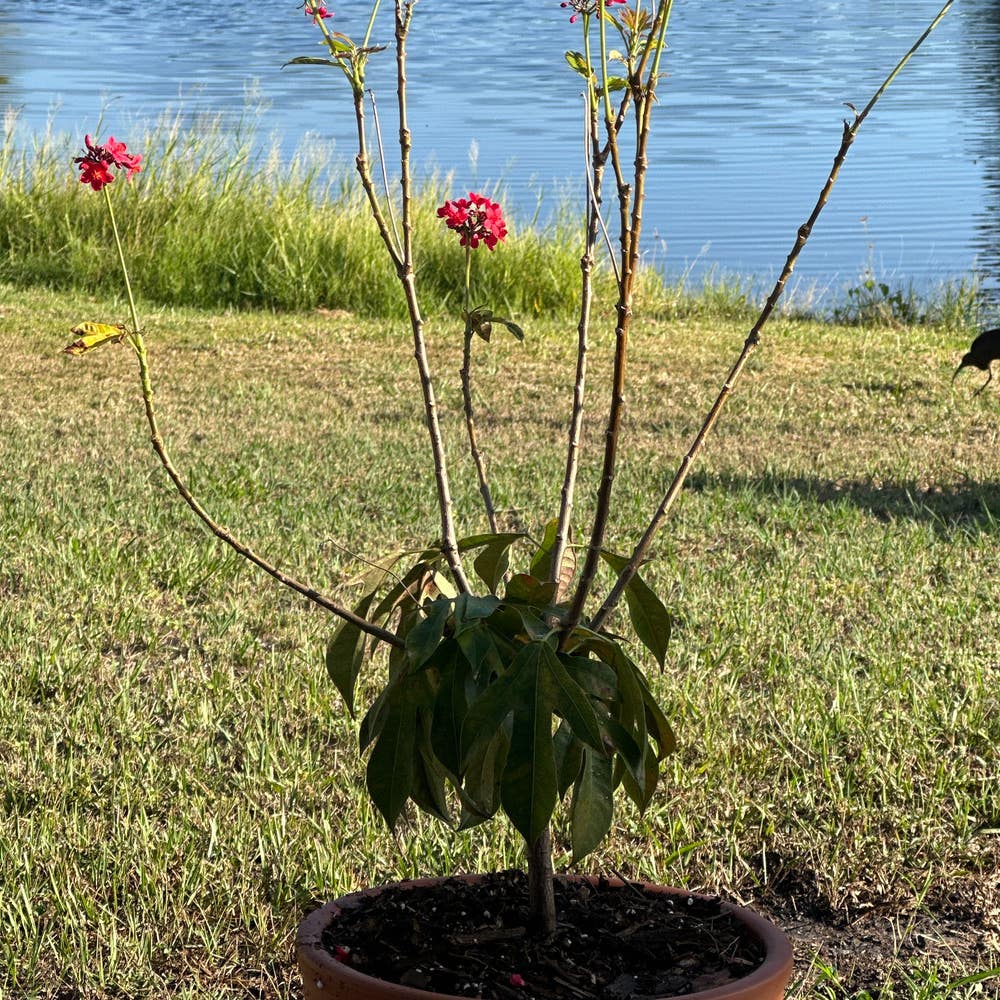
Lastly, check for leggy growth. This is a clear sign that your plant isn't getting enough light, leading to elongated stems as it stretches toward the sun.
By being vigilant about these signs, you can take proactive steps to restore your Buddha's Palm to health. Understanding these indicators sets the stage for addressing the common problems that may arise.
Common Problems Specific to Buddha's Palm
🌧️ Incorrect watering
Identifying overwatering and underwatering
Overwatering is a common issue for Buddha's Palm plants. Look for yellowing leaves, mushy stems, and root rot as telltale signs.
On the flip side, underwatering can also cause distress. Symptoms include wilting, dry leaf tips, and crispy edges.
Causes and solutions
The primary cause of overwatering is poor drainage or watering too frequently. To remedy this, allow the soil to dry out between waterings and improve drainage.
Underwatering typically results from infrequent watering or dry conditions. Establish a consistent watering schedule using the Greg plant care app to keep your plant thriving.
💡 Incorrect light conditions
Symptoms of inadequate or excessive light
Inadequate light can lead to leggy growth, pale leaves, and slow development. Conversely, excessive light may scorch leaf tips and fade colors.
Adjusting light exposure
To optimize light conditions, move your plant to a location with filtered light or adjust its distance from direct sunlight. Regularly monitor light levels to ensure your Buddha's Palm receives the right amount.
🌡️ Incorrect temperature
Recognizing temperature stress
Temperature stress manifests as wilting, leaf drop, and stunted growth.
Ideal temperature range and adjustments
Buddha's Palm thrives in an ideal temperature range of 65°F to 85°F (18°C to 29°C). Use heaters or fans to maintain consistent temperatures, especially during seasonal changes.
🐜 Pests
Common pests affecting Buddha's Palm
Watch out for spider mites, mealybugs, and scale insects.
Identification and treatment methods
Signs of infestation include sticky residue, webbing, or visible insects on leaves. Treat these pests with insecticidal soap or neem oil, and regularly inspect and clean the leaves to prevent issues.
🦠 Diseases
Fungal issues (powdery mildew, rust, black rot, blight)
Fungal diseases can be problematic, with symptoms like white powdery spots, rust-colored patches, black lesions, or wilting.
Symptoms, causes, and treatment options
Powdery mildew often arises from high humidity; treat it with fungicides or a baking soda solution. Rust is another fungal infection that can be managed by improving air circulation and applying fungicides. Black rot and blight are typically caused by overwatering; remove affected leaves and enhance drainage.
🌱 Root problems
Identifying root rot and squishy roots
Root rot presents itself through foul odors, mushy roots, and stunted growth.
Causes and recovery steps
This issue usually stems from overwatering or poor drainage. To recover, remove affected roots, repot the plant in fresh soil, and adjust your watering habits.
🍃 Leaf issues
Scorching, yellowing, and fuzzy growth
Leaf scorching is often due to excessive light or heat. Yellowing leaves indicate nutrient deficiencies or watering issues, while fuzzy growth typically signals fungal infections.
Causes and remedies
To combat scorching, move the plant to a shadier location and monitor temperature. For yellowing, adjust watering and fertilization, and check for pests. Treat fuzzy growth with appropriate fungicides.
🌿 Growth problems
Issues like not growing, not fruiting, leaning, leggy, and etiolated
If your plant isn't growing, it may be due to inadequate light or nutrients. Not fruiting can indicate improper care or environmental conditions.
Leaning often results from insufficient light or improper potting, while leggy and etiolated growth stems from inadequate light exposure.
Identifying causes and solutions
Assess light conditions and make necessary adjustments. Regular fertilization and ensuring the proper pot size will help maintain stability and encourage healthy growth.
With these insights, you can tackle common problems and keep your Buddha's Palm flourishing. Next, let’s explore preventive measures to ensure ongoing plant health.
Preventive Measures
Best Practices for Healthy Growth 🌱
To keep your Buddha's Palm thriving, consistency is key. Maintain steady watering and humidity levels to create a nurturing environment.
Additionally, ensure your plant receives adequate light and stays within the ideal temperature range. This balance promotes robust growth and vibrant foliage.
Importance of Regular Monitoring 🔍
Regularly checking your plant for pests, diseases, and environmental conditions is crucial. Early detection can save your plant from serious issues down the line.
Make it a habit to inspect your Buddha's Palm weekly. This proactive approach helps you catch problems before they escalate.
Using the Greg Plant Care App for Reminders 📱
Consider leveraging the Greg plant care app to streamline your plant care routine. Set reminders for watering, fertilization, and health monitoring to stay on track.
The app's features allow you to track growth and care routines effectively. This tool can be a game-changer in maintaining your plant's health and vitality.
By implementing these preventive measures, you can ensure your Buddha's Palm remains a stunning addition to your space. Next, let’s dive into common problems specific to Buddha's Palm and how to tackle them effectively.
⚠️ Safety First
This content is for general information and may contain errors, omissions, or outdated details. It is not medical, veterinary advice, or an endorsement of therapeutic claims.
Always consult a qualified healthcare professional before using any plant as food, medicine, or supplement.
Never eat any plant (or feed one to pets) without confirming its identity with at least two trusted sources.
If you suspect poisoning, call Poison Control (800) 222-1222, the Pet Poison Helpline (800) 213-6680, or your local emergency service immediately.
Spotted an error? Please report it here.
Keep your Buddha's Palm thriving 🌿 by using Greg for personalized care reminders and tips that ensure it gets the love it needs!